








 22 - 26 June 2026: Find out more

BUILD YOUR OWN
RESOURCE LIBRARY



Podcasts
Cities Thriving on Lighting, Episode 2 – Simplicity by design in smart lightingSponsored by Paradox Engineering
Cities Thriving on Lighting, Episode 1 – Lighting as the backbone of the smart citySponsored by Paradox Engineering
Opinions
Transforming indoor public safety with smart sensor networksSponsored by Motorola Solutions
Tallinn opens second circular economy centre
The Lasnamäe Circular Economy Centre aims to bring environmentally friendly solutions closer to residents and help embed the use of them in everyday life.


 At a glance
Who: City of Tallinn.
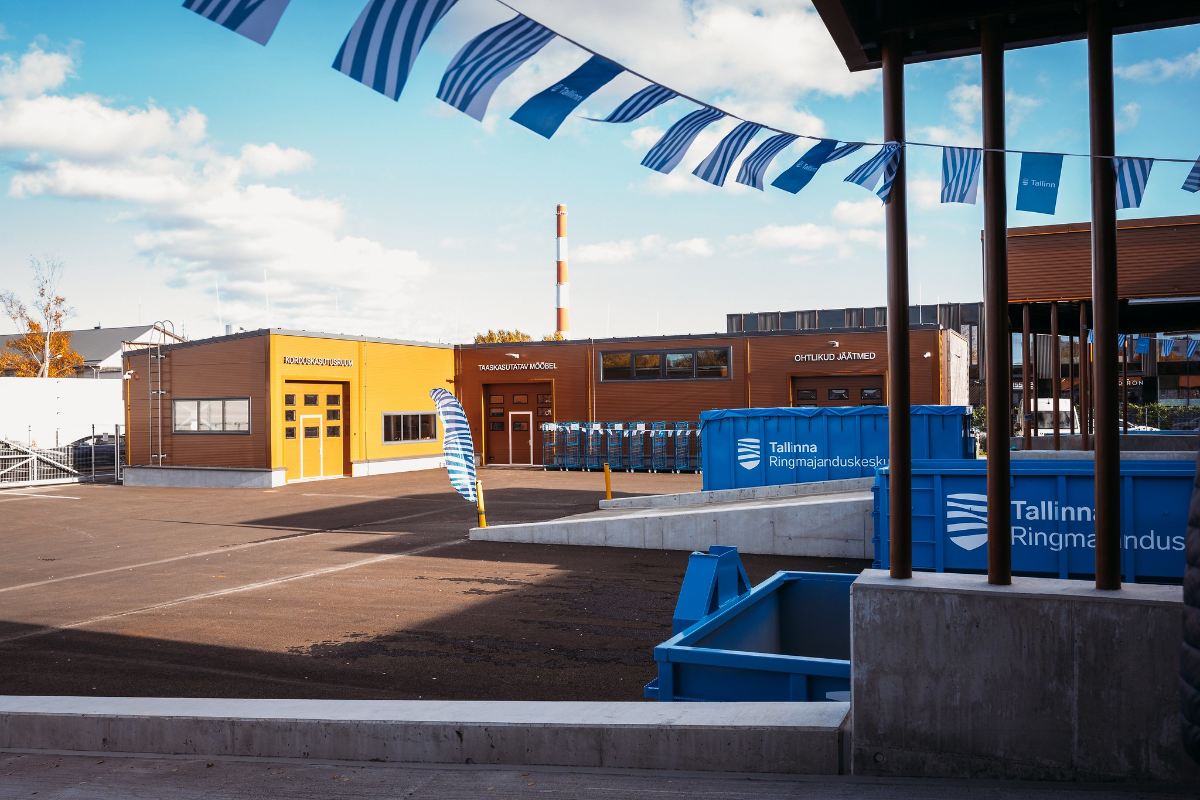
What: The City has opened Estonia’s second circular economy centre. It combines a waste station, several repair workshops, a reuse room, a circular shop, classrooms, a circular café, and a circular park of approximately 2.5 hectares under one roof.
Why: To support everyday environmentally friendly choices and offer residents convenient ways to reduce waste.
Where: The centre is located at Toorme 2 in the administrative district of Lasnamäe.
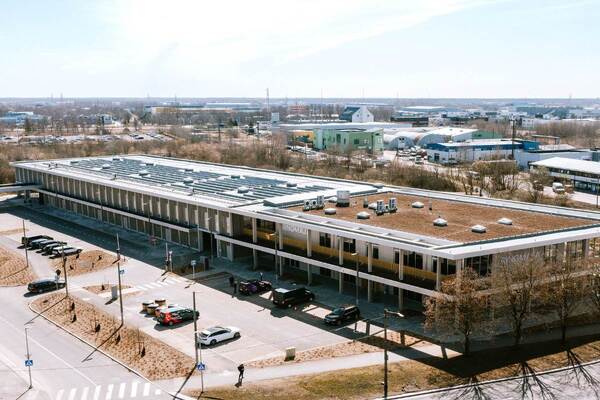
Tallinn has opened a circular economy centre in the administrative district of Lasnamäe, providing city residents a convenient and environmentally friendly way to get rid of waste as well as repair and reuse items.
The Lasnamäe Circular Economy Centre, located at Toorme 2, is the second of its kind in Estonia, next to the Lilleküla Circular Economy Centre.
Environmentally friendly choices
The centre combines a waste station, several repair workshops, a reuse room, a circular shop, classrooms, a circular café, and a circular park of approximately 2.5 hectares under one roof. It aims to support everyday environmentally friendly choices and offer residents convenient ways to reduce waste.
Mayor Peeter Raudsepp said at the opening that the Lasnamäe Circular Economy Centre is an example of how the city should develop as a whole: “Not just roads and buildings, but also the opportunities and habits we offer to residents. This investment will create new services, knowledge and community life in the area, from which all Tallinners will benefit.”
“At the centre, you can not only responsibly dispose of waste, but also acquire knowledge and skills for smarter resource reuse”
The new centre’s waste station is designed so that all containers are located entirely indoors. This solution reduces noise, dust and visual disturbance and makes waste disposal convenient all year round.
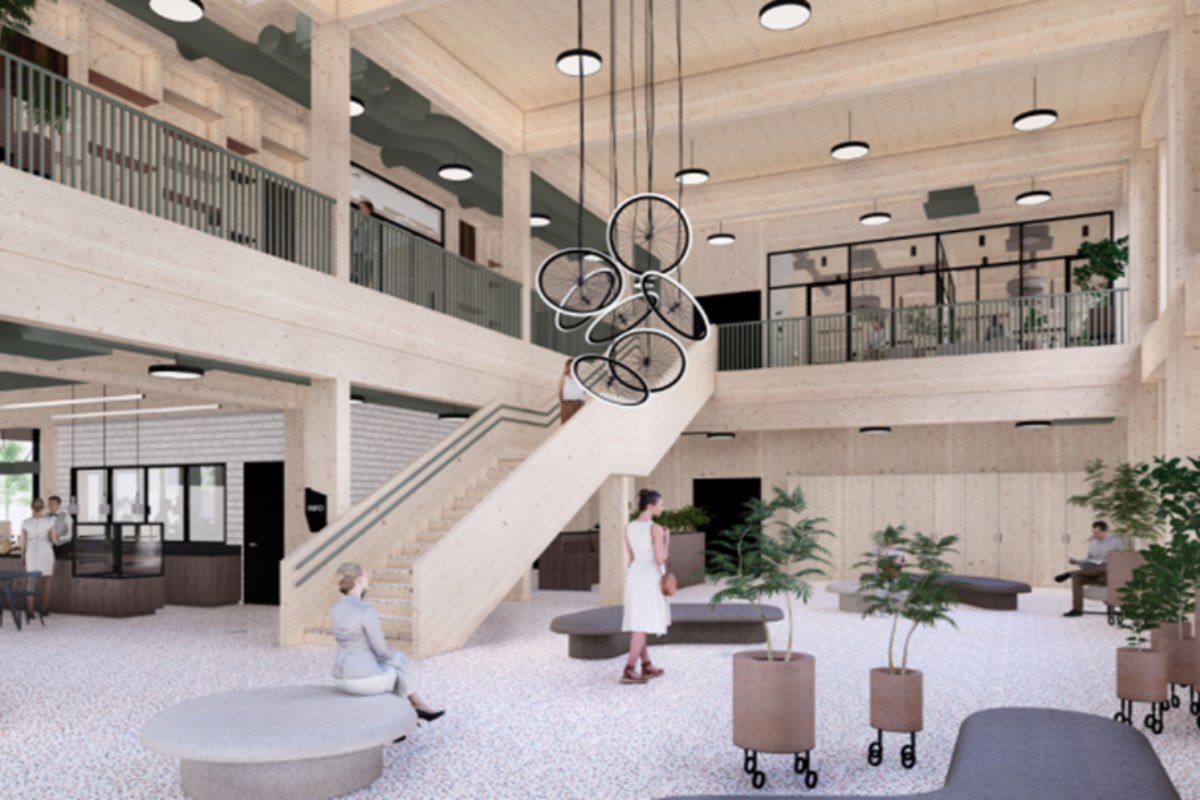
It has been built based on the principles of the circular economy. The building structures are prefabricated so that the materials can be reused in the future. Reused wood has been used in the facades, balcony and stair railings, recycled silicate brick in the interior solutions of the waste hall, and recycled aggregates in the concrete surfaces of the outdoor areas.
Read More
Circular materials are used in the interior architecture, including terrazzo concrete floors, carpets with recycled textile content, clay brick, and special furniture made of recycled wood panel material. When choosing materials, solutions that allow for later recycling of products and materials and reducing resource use have been preferred.
Environmental education is an important part of the centre. Classrooms and displays teach the principles of the circular economy, and the rooms are suitable for seminars, training, and study days.
Miroslav Berezovski, the mayor of Lasnamäe district, added: “The establishment of a modern circular economy centre in Lasnamäe is an important step towards bringing environmentally friendly solutions closer to our residents and making their use in everyday life simple and natural. At the centre, you can not only responsibly dispose of waste, but also acquire knowledge and skills for smarter resource reuse.”
The circular park surrounding the centre has been transformed from a former illegal waste disposal site into a public and nature-friendly recreation area. The circular economy is visible on the trail through benches, fences, and small forms made from materials found on site or left over from construction. The landscaping has been designed with minimal intervention, preserving the characteristic features of the landscape and supporting the biodiversity of the area. The circular park is open to everyone and is suitable for walking, relaxing, and gaining environmental inspiration.
The centre is easily accessible by car, public transport and bicycle. There is also a bicycle repair shop open 24 hours a day. The centre can also be visited as part of excursions and study tours.
“Visit rates to Tallinn’s waste stations are growing year by year, and the repair workshops have also proven to be very popular among the city’s residents,” said Rein Kalle, head of the Tallinn Circular Economy Centre. “We have put our best knowledge and a lot of dedication into this centre, so that every visitor feels welcome, cared for and comfortable here.”
The architects of the Lasnamäe Circular Economy Centre are Urmo Mets, Dora Mate-Stryker and Paulina Parv from the Kolm Koma architectural firm and it was designed by RTG Projektibüroo AS, the landscape architecture division of Lootusprojekt OÜ.
Why not try these links to see what our SmartCitiesWorld AI can tell you.
(Please note this is an experimental service)
How does the indoor waste station reduce noise, dust, and visual disturbance?How are prefabricated building materials designed for future reuse?What educational programs teach circular economy principles at the centre?How does the circular park support biodiversity and minimal landscaping intervention?What services increase resident participation in repair and reuse activities?climate actionClimate change/ResilienceEnergy & Environmentresiliencesmart wasteSustainable Development GoalsTallinnwaste

Latest City Profile
Latest Urban Exchange Podcast
Latest Special Report
SmartCitiesWorld Newsletters (Daily/Weekly)
You may also like these related articles...
BECOME A MEMBER
© 2026 SmartCitiesWorld
Smart Cities World Ltd, 37 Lombard Street, London, EC3V 9BQ