


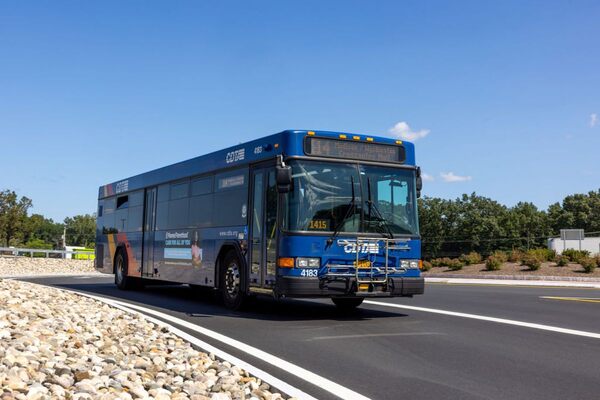

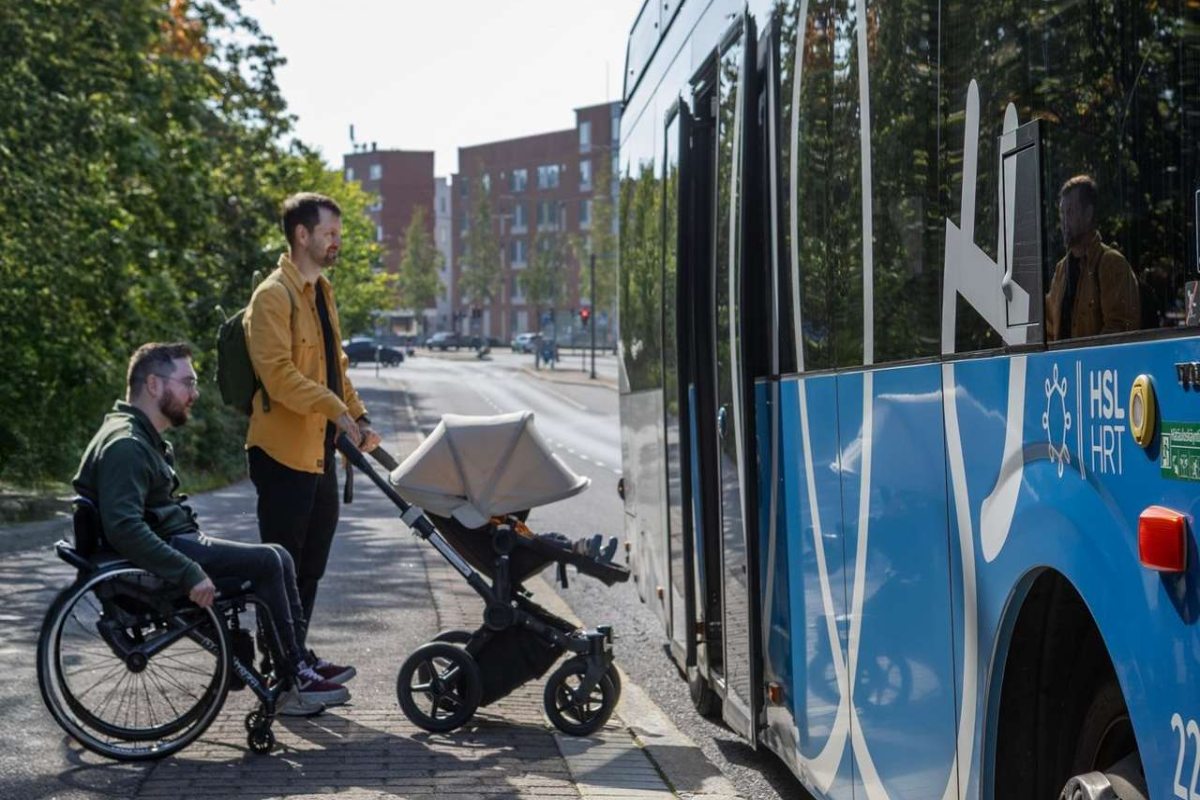

















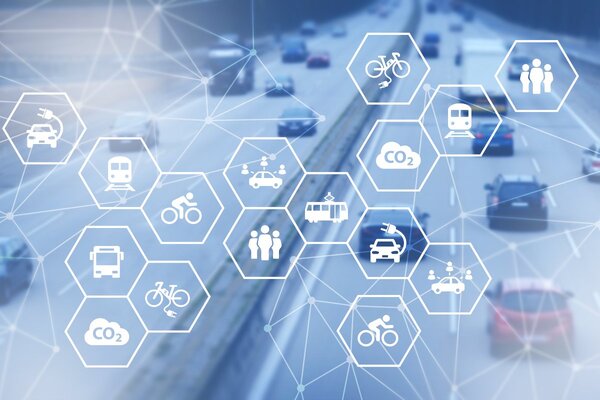


The Internet of Things (IoT) is playing a vital role in the development of smart transportation and logistics. Smart transportation has facilitated huge development in the field of smart cities.
The latest episode of the SmartCitiesWorld Podcast sees editor Luke Antoniou joined by Sustrans CEO Xavier Brice for a conversation on all things sustainable urban mobility.
Find out how Dublin is innovating to improve experiences and services for its communities in the latest SmartCitiesWorld City Profile, including digital twin projects, traffic reduction, and economic growth.
Discover how the city of Madrid is innovating to become a smarter, more sustainable city that’s able to deliver improved services to residents and visitors alike.
The latest episode of the SmartCitiesWorld Podcast sees editor Luke Antoniou joined by Sustrans CEO Xavier Brice for a conversation on all things sustainable urban mobility.
IVA for Trip Management enables paratransit and demand-response riders to check, change, or cancel trips using natural, conversational language without menus.
Preliminary report findings reveal how smarter rules in Hannover and visitor-led cycling in Seville are reshaping how Europeans move through their cities.
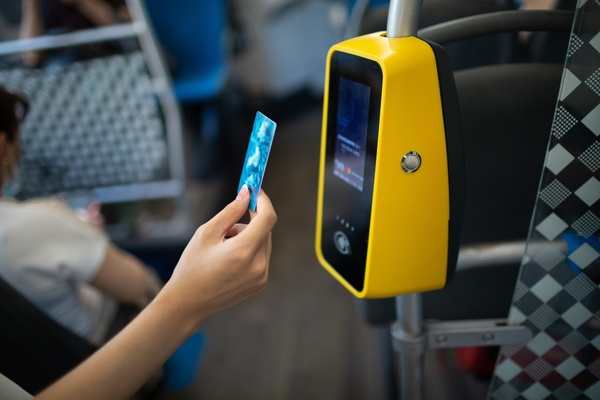
Denver RTD customers can now pay with contactless bank cards or mobile wallets – with fare capping and account linking ensuring everyone pays the best fares.
New TfL data shows cycling in London has surged 43 per cent since 2019, driven by major investment in protected routes and safer junctions across the capital.
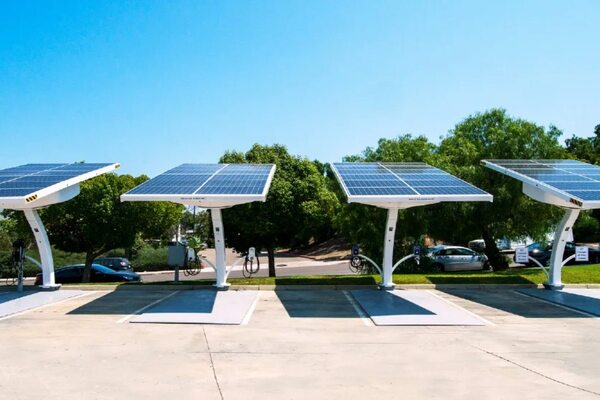
The systems, which generate and store their own clean electricity, will be used to charge the City’s growing fleet of EVs, including electric pickup trucks.
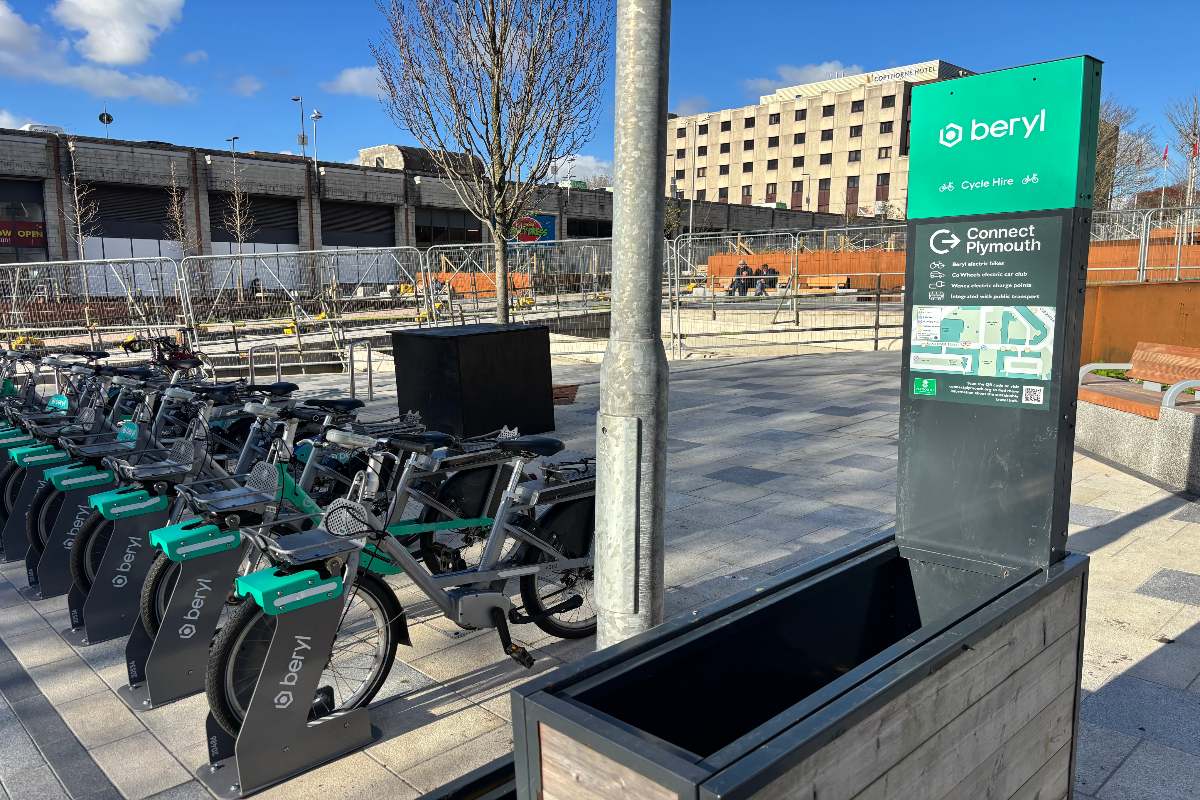
The Connect Plymouth Hub makes it easier for people to travel sustainably, providing access to e-bikes, an electric car club vehicle and rapid EV charging.
The initial phase of the collaboration with CaoCao will focus on commercial pilots for operating autonomous vehicles and battery-swap electric vehicles.
The 20-mile Metro Express line is the first corridor in Miami-Dade County’s Smart Programme and links Florida City to Dadeland South and features 14 stations.
Ralf-Peter Schäfer, VP Product Management Traffic and Travel Information at TomTom, explains how mapping data, combined with real-time and community traffic data, is driving a revolution in urban mobility.
It will connect lower district of Bellepierre to the La Montagne plateau in four minutes, providing thousands of residents with an alternative to car travel.
The collaboration is intended to strengthen the research-based development of the capital city’s mobility management and to help shape Tallinn’s mobility.
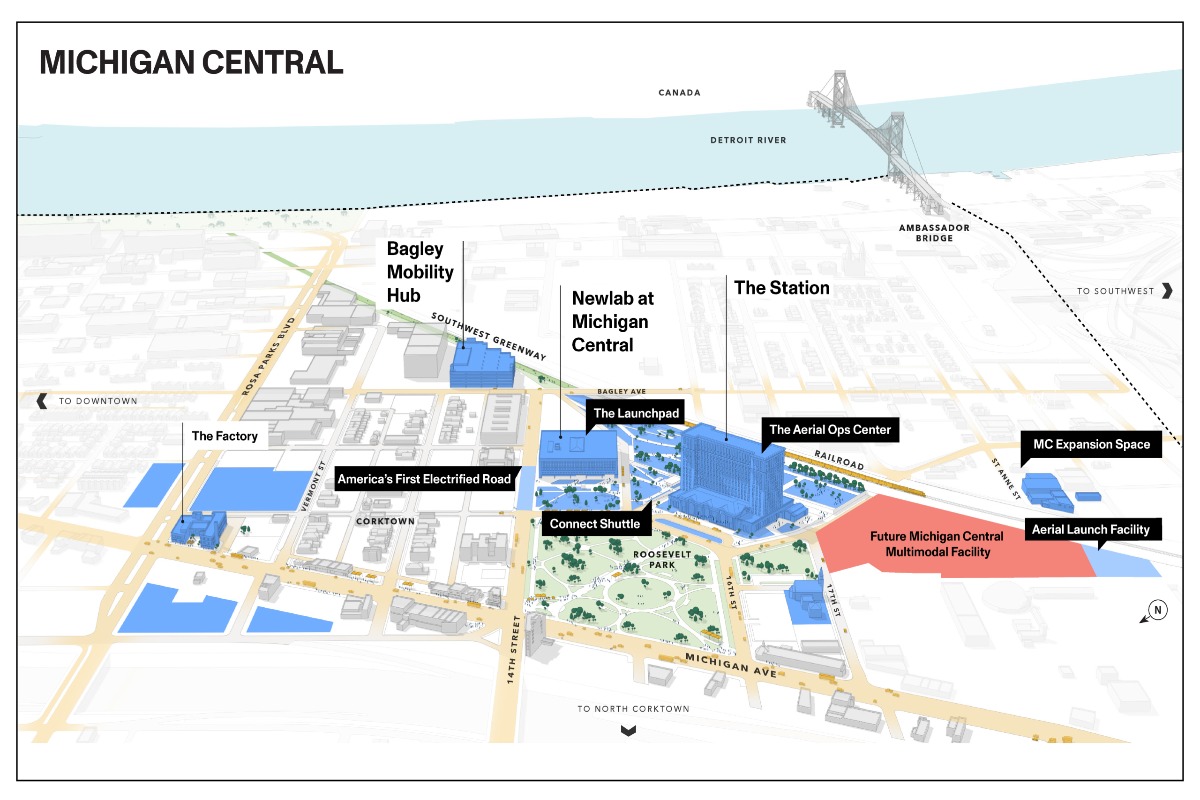
The multimodal hub will be located within the 30-acre Michigan Central Innovation District and feature a new passenger rail and intercity bus transit station.
It builds on the Federal Highway Administration’s partnership with Aurigo to modernise the planning, execution, and management of infrastructure programmes.
The new system, branded as Galicia Mobility Platform 4.0, enables passengers in the Spanish region to plan, pay, and travel seamlessly using their mobile phones.
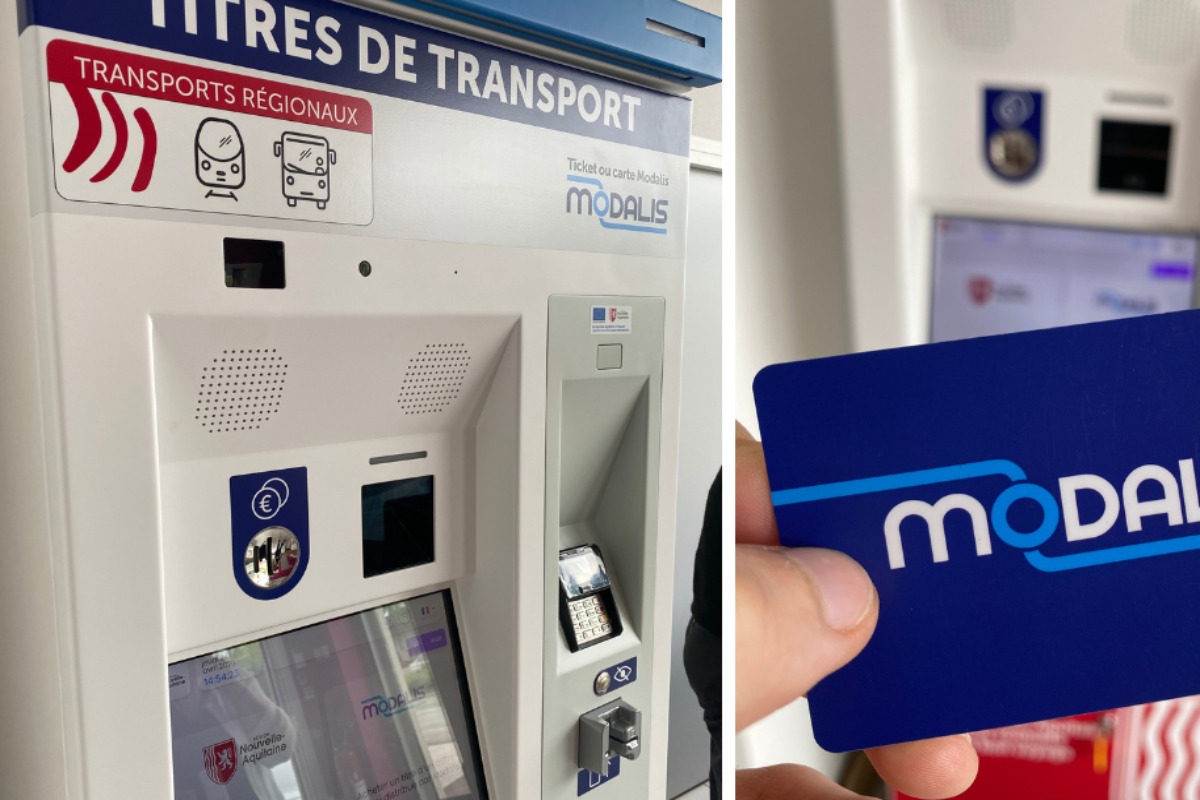
System upgrade unlocks tap-and-go with fare-capping and account-linked benefits such as concessions, building on the success of account-based ticketing.
Urban transit app Moovit has joined the Association for Open Data of Public Transportation to provide local commuters with smoother journeys on public transport.
Central to Woven City are two profiles of participants: Inventors who will develop and test products and services, and Weavers who will provide feedback.
New partnership arrangement will bring Sacramento-area riders a modern, convenient, flexible and unified transit payment experience through a single app.
The funding, secured by the West of England Mayoral Combined Authority, will help to increase options for walking, cycling and wheeling across the UK city.
Italian mobility operator Atac is working with Moovit to enable public transport riders to find the best routes and seamlessly purchase and validate tickets.
The artificial intelligence tools can be embedded where and when transportation professionals need them most, for example, to redefine planning and scheduling.
The new government funding empowers local authorities to strengthen planning capacity, skills, and delivery – plus invest in schemes that support growth, sustainability, and safer journeys.
Solutions from 14 teams will be tested and piloted in cities in the Western Region of Romania as part of the inVest – Urban Mobility Accelerator programme.
KRT, Tank, Cincinnati Metro, Altoona Metro Transit, and CityBus go live with account-based ticketing as EZfare extends to six states, powered by Masabi.
The fastest growing contactless payment mechanism driving this expansion is near-field communication (NFC) ticketing, projected to grow by 300 per cent.
Juniper reports that growth will be driven by rapid development of on-demand transportation solutions that encompass micromobility services into the platform.
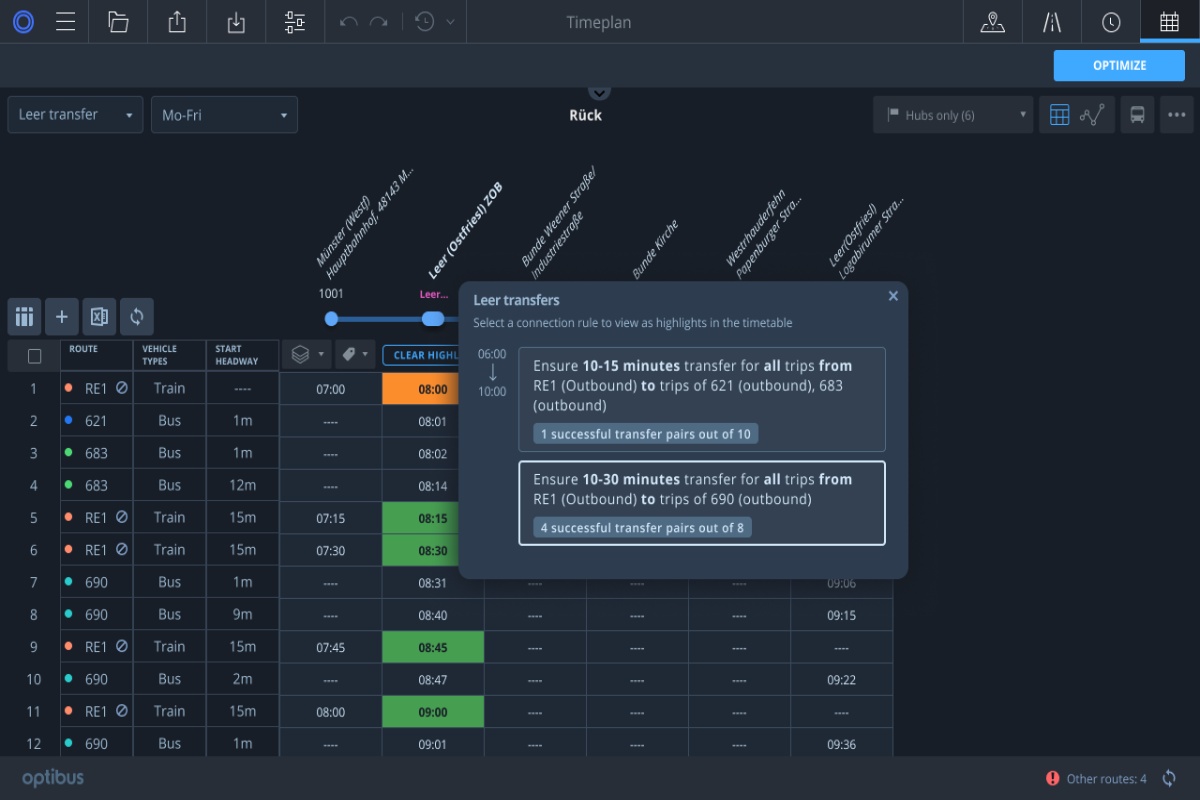
Control from Optibus is a modular cloud solution that combines real-time visibility with smart decision-making tools to monitor and adapt services in the moment.
The Open Payments tap-to-earn initiative combines ease of open-loop payments with an engaging incentive structure to encourage habit change among riders.
Plans envision equitable transit-oriented development for the two areas, which would enhance walkability and unlock new opportunities for affordable housing.
The Transit Tech Lab public-private initiative invests in companies and programmes that advance the application of new technologies to address urban challenges.
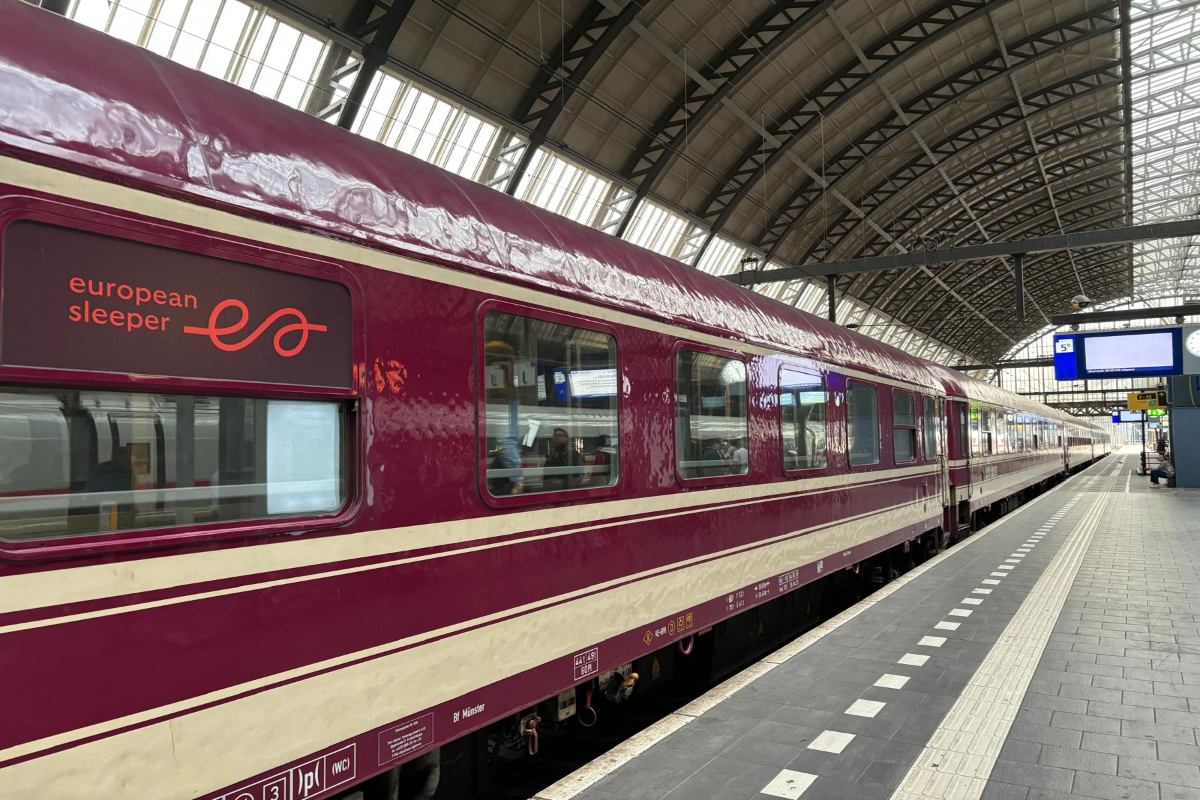
European Sleeper passengers from Brussels, Amsterdam, Berlin, and Prague, can seamlessly plan and pay for their direct night train journeys within Moovit’s app.
Archer’s Midnight electric vertical take-off and landing aircraft (eVTol) will be integrated across the LA28 Games, transporting VIPs, fans and stakeholders.
Tennis fans at the ATP Masters 1000 tournament in Rome can access journey information via a dedicated ATP experience within Moovit’s app and web platform.
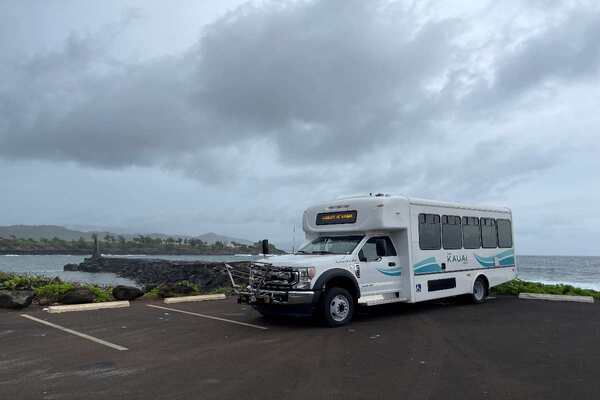
Powered by Masabi’s open platform, the new tap and ride with Holomua system brings convenience, flexibility, and fare-capping to riders across the island of Kauaʻi.
New project focuses on first-mile/last-mile connections with public transit and will see e-bikes located at bus hubs and Commuter Rail stops in the region.
The hub is designed to be a central piece of neighbourhood infrastructure that aims to put people at the heart of the community rather than car traffic.
Brazilians can use Moovit app to plan, purchase and ride intercity transport with leading local bus carriers, and the plan is to add more countries soon.
The plan is designed to create a balanced, equitable and sustainable mobility system, focusing on areas with the greatest needs for transportation improvements.
NeoRide is collaborating with industry partners Masabi and Velocia to introduce a passenger rewards programme to the US’ largest regional ticketing system.
By joining forces under the same umbrella, Nextbike Group and nextbike Polska aim to expand their network of cities as well as set new benchmarks in technology.
Programme supports the As You Go MPLS campaign, encouraging people to leave their cars at home and try walking, biking, rolling or taking transit more often.
Find out how Dublin is innovating to improve experiences and services for its communities in the latest SmartCitiesWorld City Profile, including digital twin projects, traffic reduction, and economic growth.
The app from Moovit provides riders with shared mobility options with multimodal journey planning, real-time updates, and seamless trip planning and payment.
Cities will work with Sustainable Urban Transitions Lab to conduct studies of modern travel trends and enhance investments in public transport and mobility hubs.
Connected Places Catapult has selected three transport tech innovators for further funding in its programme focused on using AI to improve passenger experience.
Bikeshare forms part of the Flemish Government’s Hoppin mobility vision to make transport more efficient, sustainable and flexible through a multimodal offering.
Working with EGA Group and the Federal University of Santa Catarina, HyperloopTT’s study highlights capacity, sustainability and economic benefits of a HyperPort system.
ParkPHX provides parking information in one location, helping users find parking based on what matters most to them, from cost to EV charging stations.
This is the key finding in the EIT Urban Mobility Better Mobility Trend report, based on insights from over 300 startups and 100 industry and academic experts across Europe.
The 2025 State of Public Transportation Report reveals driver safety, recruitment and retention is the top priority while the adoption of AI technologies is slow.
Cubic’s multi-million-pound investment aims to address transportation’s most critical challenges in collaboration with experts from Imperial College London.
Clean energy tax credits secure millions in cost-savings for communities through elective pay, build American energy independence, and help reduce pollution.
Artificial intelligence-assisted video analytics and automated ticketing solution to be deployed for the third largest public transit system in North America.
Insights gathered during the public engagement period will help refine the strategic redesign of 100 bus routes to deliver a smarter, faster and better network.
Williamsburg Area Transit Authority introduces new Masabi fare payment system alongside integrated dispatch and vehicle location technologies from Equans.
Almaviva and FS Group will focus on digital solutions in areas such as traffic and transport planning and management, digital twins and mobility-as-a-service.
Tramway operator Gest has begun operations of the new extension of its T2 tramway line, connecting Peretola Airport to San Marco Square in the Italian city.