





Discover how AI-powered digital twins are transforming urban infrastructure and how these innovations can improve efficiency, resilience, and sustainability.
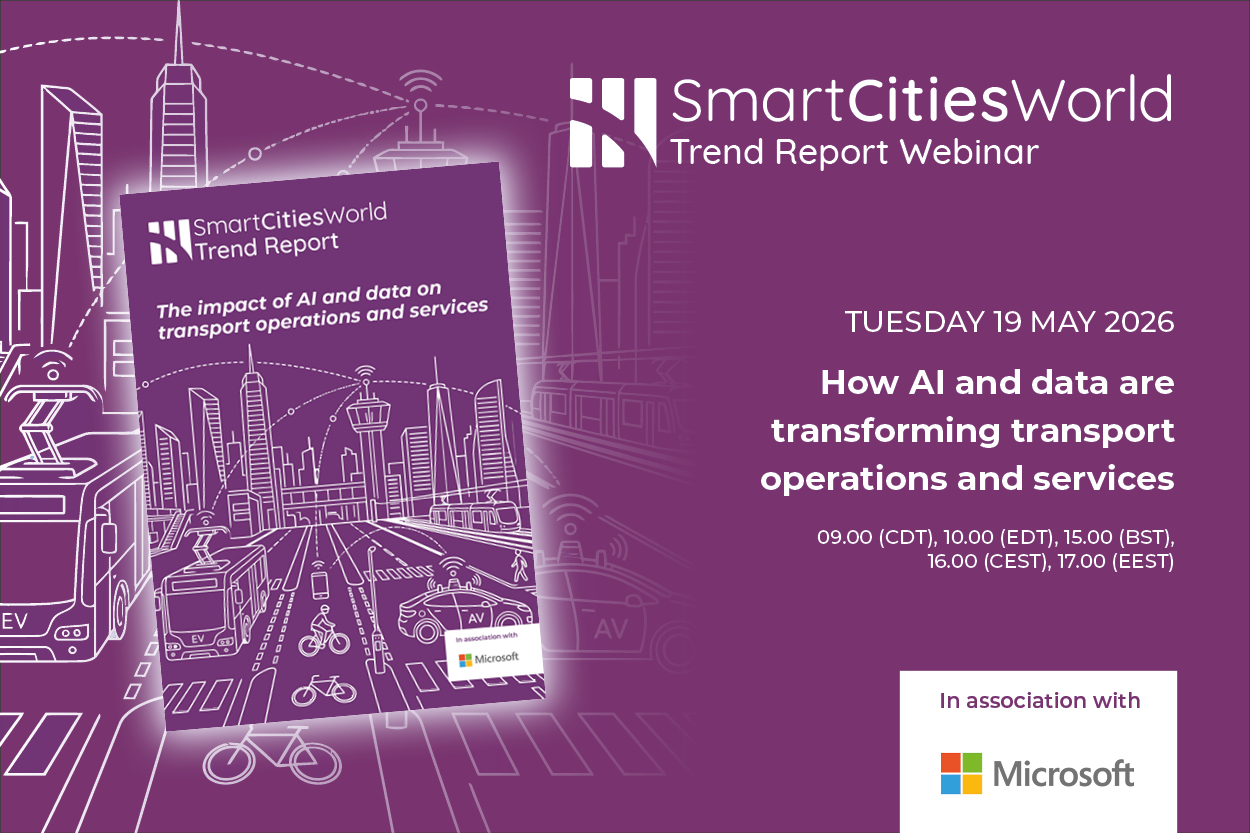
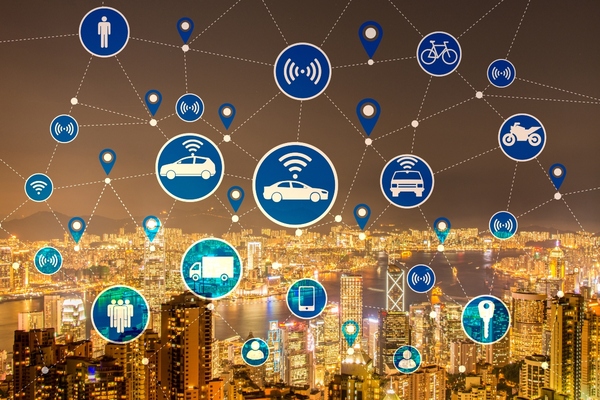
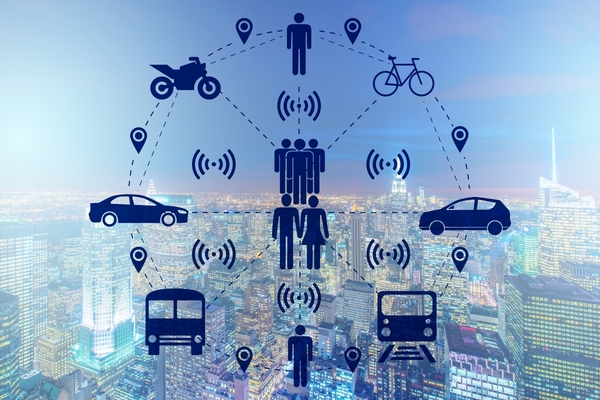
Explore how data and AI is being used in urban transport networks to support planning, day-to-day operations, and improve outcomes for communities and passengers.
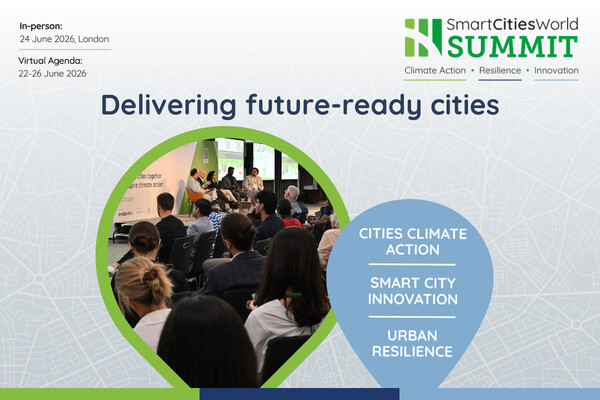
As cities confront the combined pressures of climate change, infrastructure resilience and digital transformation, the SmartCitiesWorld Summit 2026 will bring together urban leaders and partners during London Climate Action Week to explore how these agendas intersect – and how cities can translate strategy into practical action.
Find out how Sunderland is repositioning itself as a leading smart city – using digital infrastructure and low-carbon innovation to build a resilient, future-focused economy in the latest SmartCitiesWorld City Profile.
Find out how Dublin is innovating to improve experiences and services for its communities in the latest SmartCitiesWorld City Profile, including digital twin projects, traffic reduction, and economic growth.
Tune into the SmartCitiesWorld podcast to understand the world of sovereign AI for cities, featuring PNY Technologies’ Youssef Nadiri as our expert guest.
Tune in for the latest Urban Exchange where we get a first-hand account of city resilience measures from Quezon City following unexpected extreme rainfall.
How smart sensor networks can help improve indoor safety by detecting risks early, improving situational awareness and supporting healthier, more secure and sustainable buildings.
Gareth Tang, President of Urban Solutions at ST Engineering, explains how urban AI applications are set to evolve, detailing projects where AI is already making significant impact.
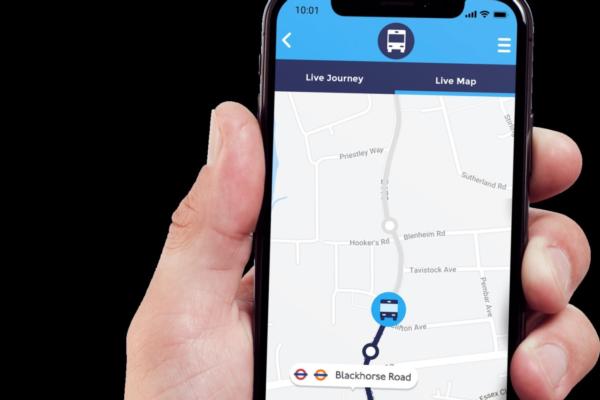
Department for Transport is working with MaaS specialist Moovit to utilise the Bus Open Data Service, a central source of timetable, bus location, and fare data.
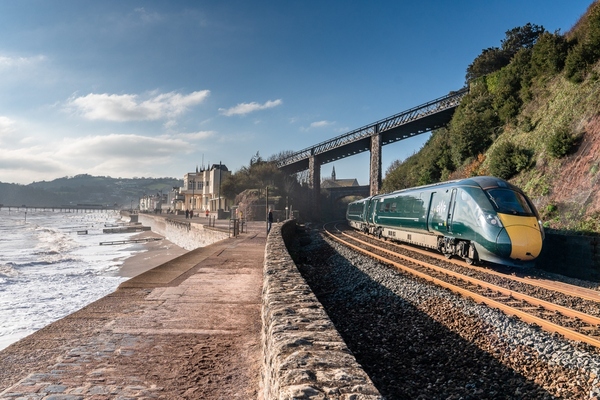
Hitachi Rail and Eversholt Rail have signed an exclusive agreement aimed at bringing battery power and fuel savings of 20 per cent to the GWR passenger service between London and Penzance.
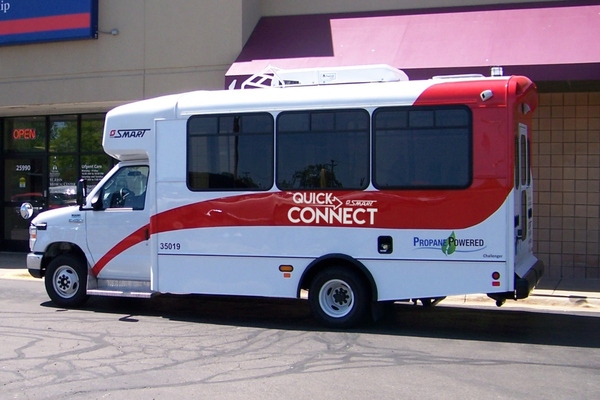
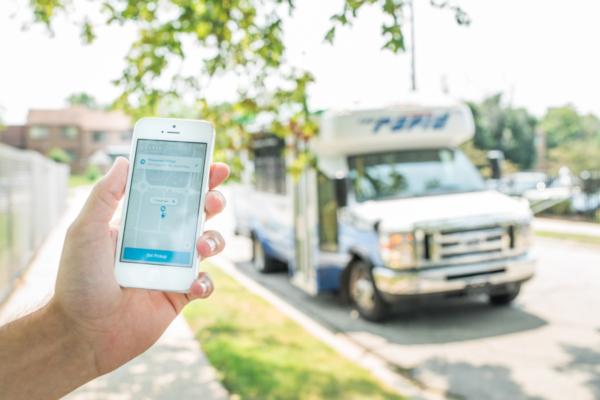
Those living in the Farmington and Farmington Hills area can plan their journeys and book their trip on the Smart Quick Connect On-Demand service, a dynamically-routed transit system.
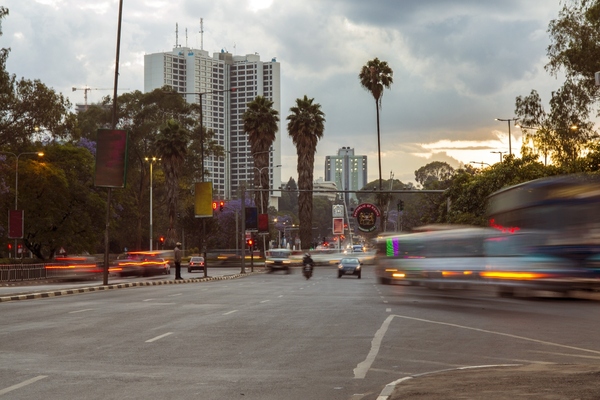
Goal is to drive contactless payments across the entire Matatu bus service, which is a dominant transport mode across Kenya, and could see up to 10,000 buses become cashless.
SkedGo and Motiontag are combining advanced journey planning and analytics capabilities to understand how, when and why people travel, and measure changes in travel behaviour.
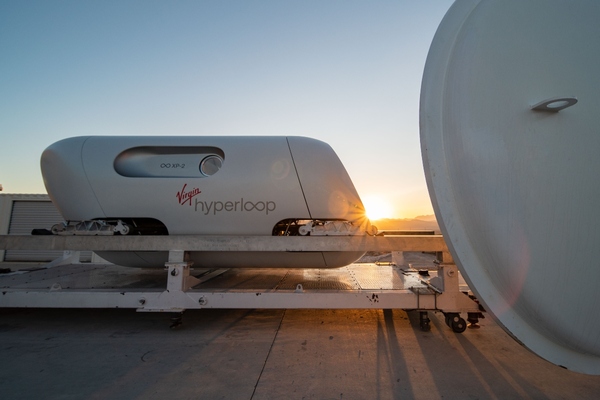
The test on the new form of transportation took place at Virgin Hyperloop’s 500-metre DevLoop test site in Las Vegas, where the company has previously run over 400 unoccupied tests.
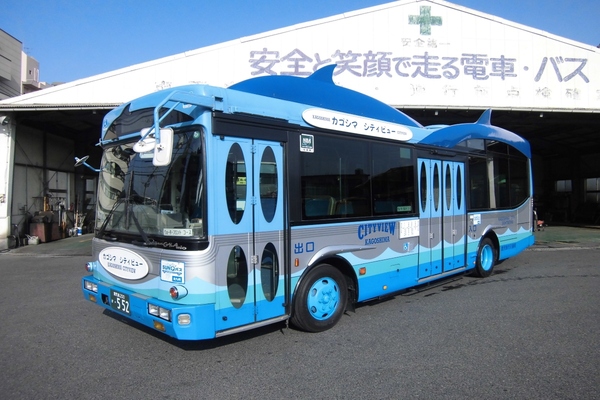
The two deployments are the latest driven by the partnership between Jorudan and Masabi signed in 2019 to integrate their services and roll out mobile ticketing in cities across Japan.
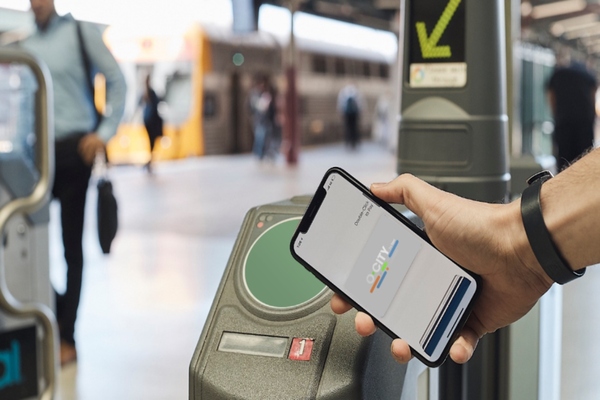
Visa’s transit programme is aimed at companies whose technology products and capabilities can help agencies and riders realise the benefits of tapping to ride with a contactless card or digital wallet.
Moovit’s journey planner app combines official information from Adelaide Metro as well as crowdsourced information to calculate the best route for each journey.
The idea is to give agencies comprehensive MaaS abilities that will help strengthen connections with passengers by making transit more enjoyable and more convenient.
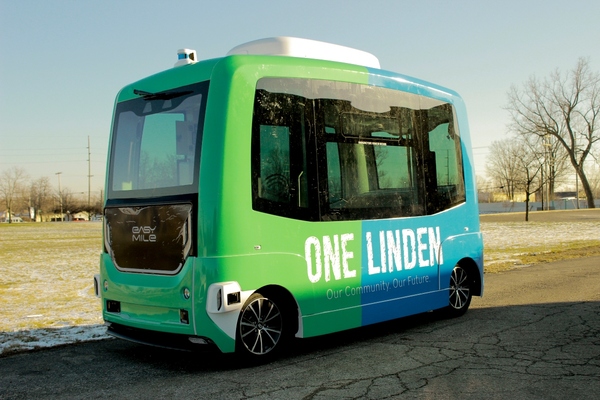
Operating in the South Linden neighbourhood of Columbus, the Leap (Linden Empowers All People) shuttle will seek to close first-mile/last-mile transit gaps.
In addition to being able to use reliable, high-performance onboard wi-fi, passengers will have instant access to accurate arrival times, assistance and onward travel options.
The Intel company is using IoT connectivity from Orange Business Services for its next-generation platform that helps municipalities plan for smart cities.
New network will see the transit agency upgrade its paratransit service in Michigan with on-demand ride-hailing technology, as opposed to pre-scheduling days in advance.