












Discover how AI-powered digital twins are transforming urban infrastructure and how these innovations can improve efficiency, resilience, and sustainability.
Explore how data and AI are being used in urban transport networks to support planning, day-to-day operations, and improve outcomes for communities and passengers.
As cities confront the combined pressures of climate change, infrastructure resilience and digital transformation, the SmartCitiesWorld Summit 2026 will bring together urban leaders and partners during London Climate Action Week to explore how these agendas intersect – and how cities can translate strategy into practical action.
Find out how Sunderland is repositioning itself as a leading smart city – using digital infrastructure and low-carbon innovation to build a resilient, future-focused economy in the latest SmartCitiesWorld City Profile.
Find out how Dublin is innovating to improve experiences and services for its communities in the latest SmartCitiesWorld City Profile, including digital twin projects, traffic reduction, and economic growth.
Tune into the SmartCitiesWorld podcast to understand the world of sovereign AI for cities, featuring PNY Technologies’ Youssef Nadiri as our expert guest.
Tune in for the latest Urban Exchange where we get a first-hand account of city resilience measures from Quezon City following unexpected extreme rainfall.
How smart sensor networks can help improve indoor safety by detecting risks early, improving situational awareness and supporting healthier, more secure and sustainable buildings.
Gareth Tang, President of Urban Solutions at ST Engineering, explains how urban AI applications are set to evolve, detailing projects where AI is already making significant impact.
Neil Killick of Milestone Systems details how city control rooms are changing to become more data-driven and efficient with the implementation of the latest video-based smart city solutions.
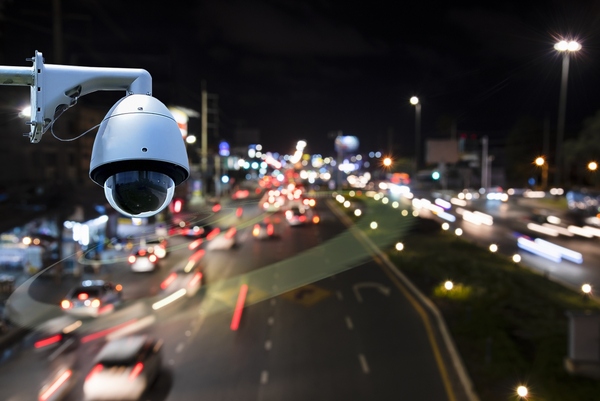
ABI Research reports that such cameras will enable an increasing number of low latency mission-critical machine vision applications like pedestrian detection and alerting, and real-time surveillance.
Analysis by Frost & Sullivan reveals how digitisation and advancements in Internet of Things are driving the large-scale adoption of sensor technologies for the development of smart cities.
Drones, new types of surveillance, digital twins and real-time dashboards are among the technologies that have emerged in new use cases by cities during the coronavirus pandemic, according to ABI Research.
The multi-year project aims to create a functional digital foundation that enables the Finnish city to run efficient and reliable services for employees and citizens.
The global market for smart city surveillance equipment was worth €6.5 billion in 2018 and is forecast to grow at a CAGR of 24.5 per cent to reach €19.5 billion by 2023.
Gartner predicts that 5G IoT installed endpoints for outdoor surveillance cameras will reach 11.2 million units in 2022, but will be surpassed by connected cars in 2023.
Brian Jackson, Head of Surveillance Solutions, BT Enterprise, says being ’smart’ is about connecting communities with the technology to address problems that most people assume can never be solved.