













Discover how AI-powered digital twins are transforming urban infrastructure and how these innovations can improve efficiency, resilience, and sustainability.
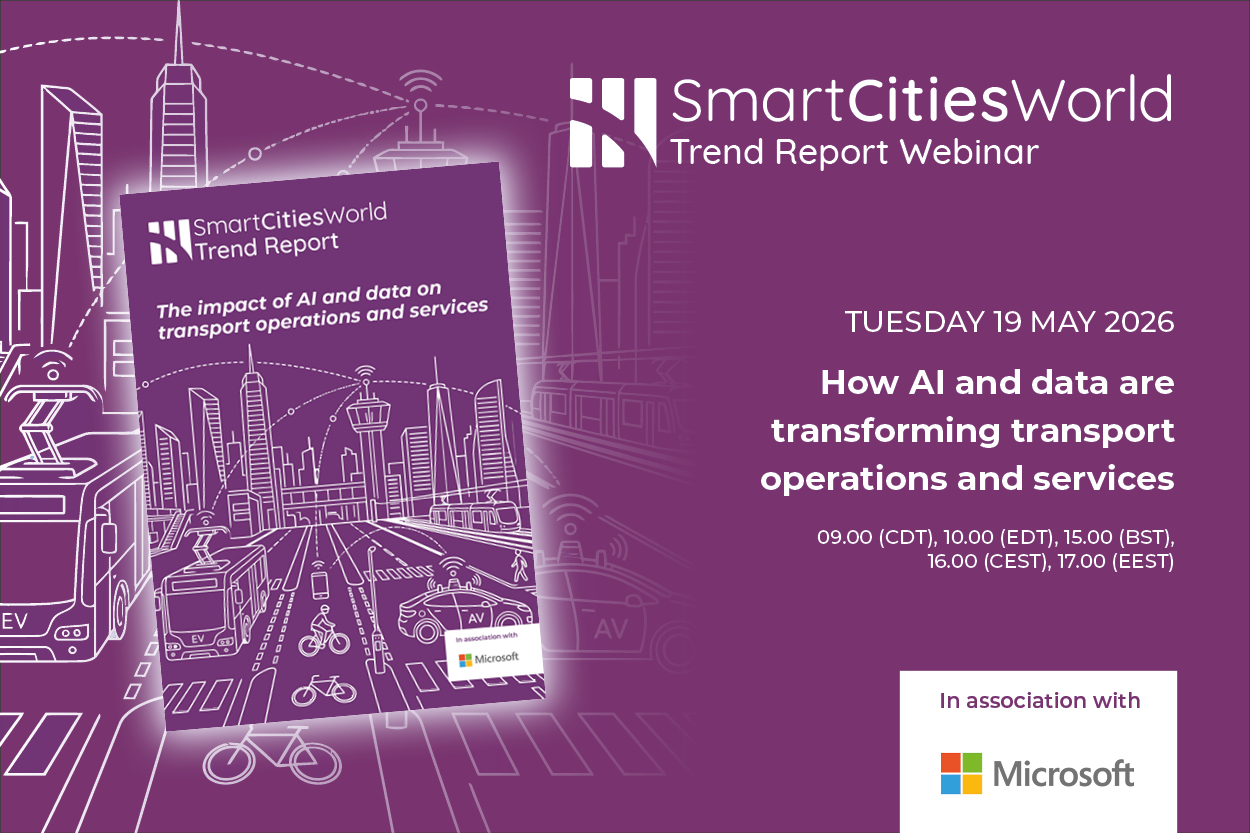
Explore how data and AI is being used in urban transport networks to support planning, day-to-day operations, and improve outcomes for communities and passengers.
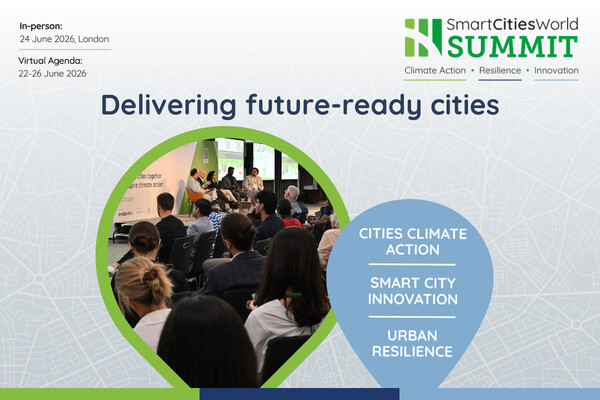
As cities confront the combined pressures of climate change, infrastructure resilience and digital transformation, the SmartCitiesWorld Summit 2026 will bring together urban leaders and partners during London Climate Action Week to explore how these agendas intersect – and how cities can translate strategy into practical action.
Find out how Sunderland is repositioning itself as a leading smart city – using digital infrastructure and low-carbon innovation to build a resilient, future-focused economy in the latest SmartCitiesWorld City Profile.
Find out how Dublin is innovating to improve experiences and services for its communities in the latest SmartCitiesWorld City Profile, including digital twin projects, traffic reduction, and economic growth.
Tune into the SmartCitiesWorld podcast to understand the world of sovereign AI for cities, featuring PNY Technologies’ Youssef Nadiri as our expert guest.
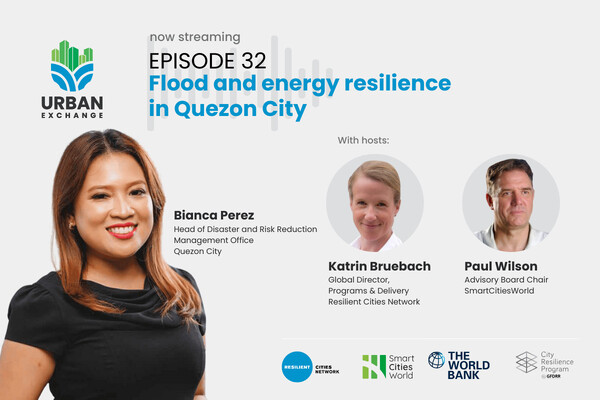
Tune in for the latest Urban Exchange where we get a first-hand account of city resilience measures from Quezon City following unexpected extreme rainfall.
How smart sensor networks can help improve indoor safety by detecting risks early, improving situational awareness and supporting healthier, more secure and sustainable buildings.
Gareth Tang, President of Urban Solutions at ST Engineering, explains how urban AI applications are set to evolve, detailing projects where AI is already making significant impact.
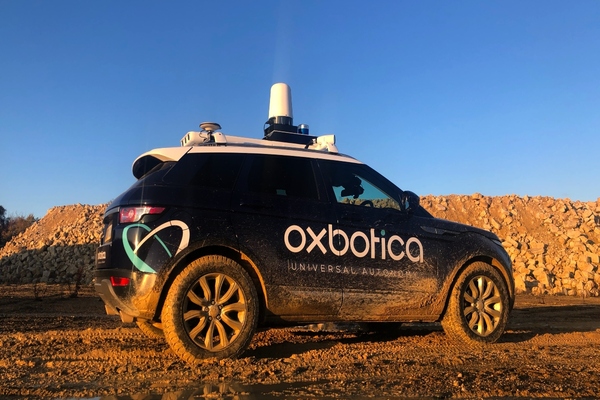
Oxford-based Oxbotica will use the funding to accelerate commercial deployment of its autonomy software platform across multiple industries and key markets.
Department for Transport is working with MaaS specialist Moovit to utilise the Bus Open Data Service, a central source of timetable, bus location, and fare data.
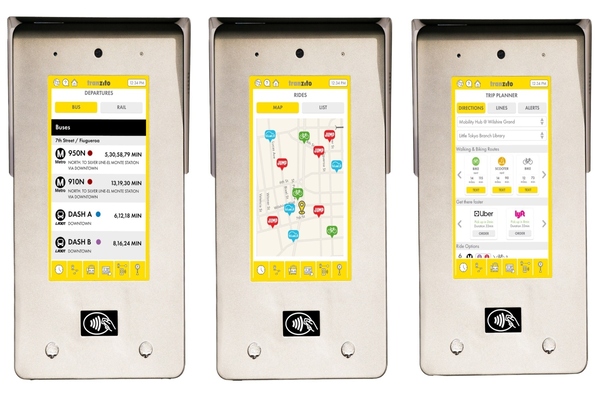
Moovit and Tranzito are joining forces to create kerbside mobility hubs which enable users to plan their trips and book and pay for shared mobility rides from A to B without a smartphone.
Moovit’s journey planner app combines official information from Adelaide Metro as well as crowdsourced information to calculate the best route for each journey.
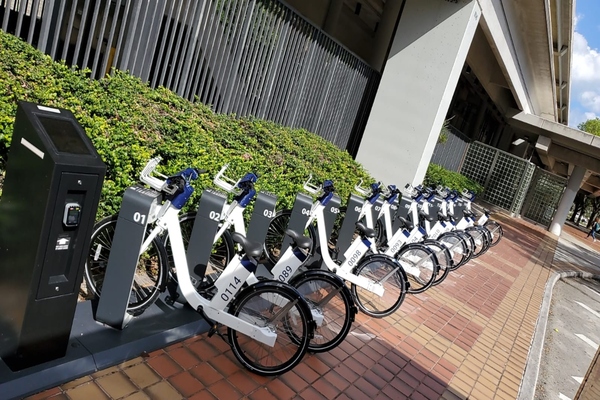
Through a strategic alliance, Ride On and Enzen aim to deliver urban mobility solutions to help transition people away from the use of private vehicles to more sustainable forms of transport like e-bikes.
The Eeyo 1 is the first e-bike project in the new Gogoro Eeyo "human-electric hybrid" brand, which has been established to develop innovations in lightweight electric-assisted transportation.
EHang will work with the Seville government to develop the programme which will include passenger transportation, air logistics and command-and-control platforms in the city.
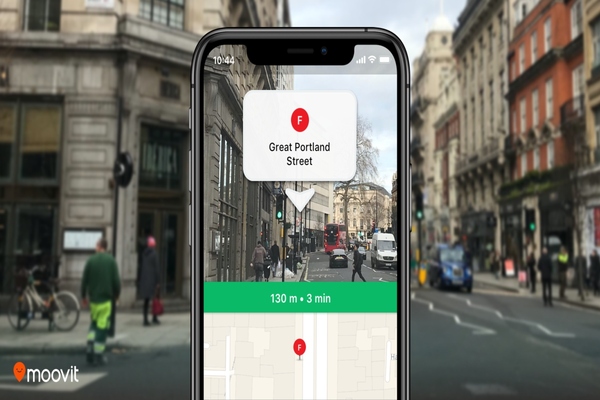
Based on user feedback, Moovit is using AR to display digital directions on top of real-world images to help point the way for users to get to their destination.
The company will engage with members of the London Cycling Campaign and local groups across the UK capital to find out their urban mobility needs and priorities.
Mobility Advisor will use the IBM Watson artificial intelligence app to help urban citizens make more informed choices about daily transportation options
Researchers at the University of South Florida have begun an autonomous trial with Coast Autonomous to transport students, faculty staff and visitors in a driverless vehicle