













 22 - 26 June 2026: Find out more







BUILD YOUR OWN
RESOURCE LIBRARY



Opinions
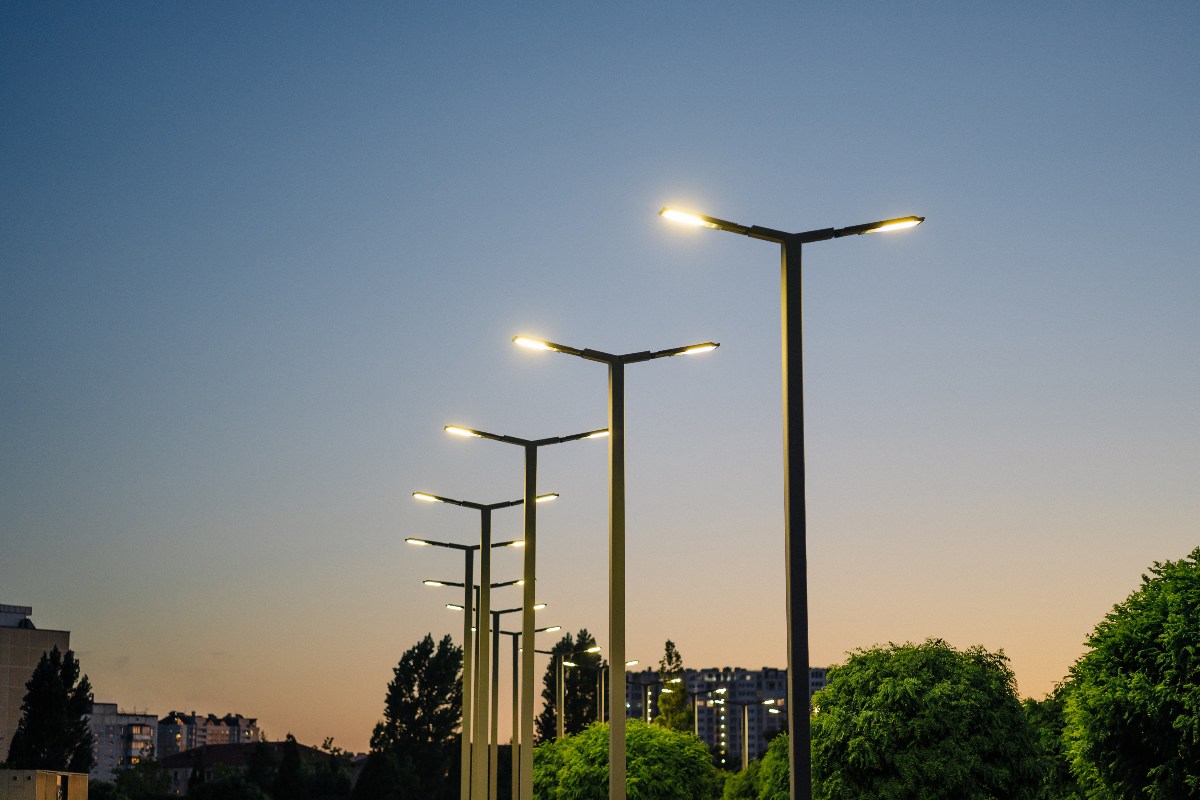
Smart lighting: enabling smart cities beyond illuminationSponsored by Paradox Engineering

How AI and biometrics are shaping next-generation mobility paymentsSponsored by ST Engineering
City of Edmundston unveils microgrid project
The Solstice microgrid project will supply the city with reliable, sustainable energy, reduce its carbon footprint, and support local economic growth.


The City of Edmundston in the Canadian province of New Brunswick is set to host what is thought to be the largest rooftop solar panel project in the Atlantic region.
Cleantech integrator Ameresco is working in partnership with municipal utility Edmundston Energy to construct the Solstice microgrid which will supply the city with reliable, sustainable energy.
Enhance grid resilience
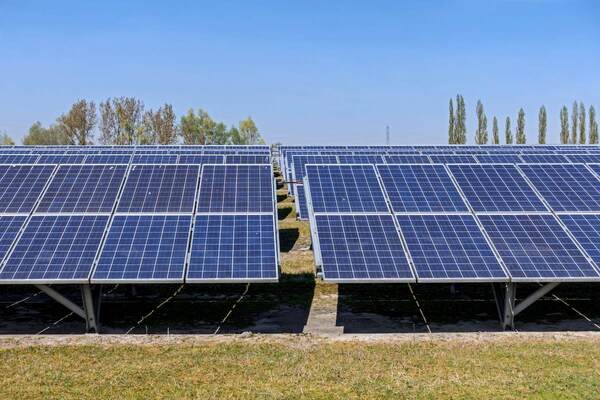
Solstice will feature a 1 MW solar capacity combined with a 2 MWh battery energy storage system (Bess), specifically designed to enhance grid resilience and meet peak energy demands.
The solar part of the Solstice microgrid will be installed on the roofs of the Jean-Daigle Centre and the Sports Pavilion. With construction underway, the project supports Edmundston’s 2024-2028 Environmental Action Plan and strengthens its leadership in the Atlantic region’s sustainable energy efforts. Planned operational launch is for summer 2025.
Once operational, the microgrid is designed to offset approximately 360 metric tons of CO₂ annually and ensure backup power to essential community facilities like the Sports Pavilion, which also serves as an emergency response centre.
“As cities worldwide work to transition to sustainable energy, projects like this showcase how innovative solutions can provide reliable, clean power to meet today’s demands”
“This project involves and will greatly impact the community. Many local entrepreneurs have been hired to work on the project, which will be a learning incubator for students from the Cité-des-jeunes, AM-Sormany, UMCE and CCNB programmes,” said Eric Marquis, mayor of Edmundston.
“We are very grateful to our provincial and federal partners for their contribution and their constant collaboration, which allows us to take this step in a very important project for the City of Edmundston.”
Read More
Valued at $8m, Solstice integrates seamlessly with the city’s energy management systems, reducing dependence on traditional power sources and providing capacity to manage peak demands. This project also brings local economic benefits by creating jobs and building renewable energy expertise within the community, fostering both environmental and economic sustainability.
“The Solstice project demonstrates how critical solar and battery energy storage solutions are for strengthening grid resilience and advancing clean energy,” said Bob McCullough, president of Ameresco Canada. “As cities worldwide work to transition to sustainable energy, projects like this showcase how innovative solutions can provide reliable, clean power to meet today’s demands and secure a sustainable future for communities everywhere.”
“The Solstice project demonstrates how critical solar and battery energy storage solutions are for strengthening grid resilience and advancing clean energy”
Valued at $8m, Solstice integrates seamlessly with the city’s energy management systems, reducing dependence on traditional power sources and providing capacity to manage peak demands. This project also brings local economic benefits by creating jobs and building renewable energy expertise within the community, fostering both environmental and economic sustainability.
“Work began earlier this year to ensure that the roofs of the Jean-Daigle Centre and the Sports Pavilion were reinforced for the installation of the panels. Work is also being carried out in the Jean-Daigle Centre parking lot to allow the installation of the battery energy storage system,” said Kevin Kilfoil, coordinator, transmission and distribution for Edmundston Energy.
Why not try these links to see what our SmartCitiesWorld AI can tell you.
(Please note this is an experimental service)
How does the Solstice microgrid enhance grid resilience during peak demands?What role does the 2 MWh battery storage play in energy management?How will rooftop solar panels reduce Edmundston's annual CO₂ emissions?In what ways does the project support local economic growth and jobs?How is the microgrid integrated with existing city energy management systems?
Latest City Profile
Latest Urban Exchange Podcast
Latest Special Report
SmartCitiesWorld Newsletters (Daily/Weekly)
You may also like these related articles...
BECOME A MEMBER
© 2026 SmartCitiesWorld
Smart Cities World Ltd, 27 Clements Lane, London, EC4N 7AE