







BUILD YOUR OWN
RESOURCE LIBRARY



Podcasts
Cities Thriving on Lighting, Episode 2 – Simplicity by design in smart lightingSponsored by Paradox Engineering
Cities Thriving on Lighting, Episode 1 – Lighting as the backbone of the smart citySponsored by Paradox Engineering
Opinions

Transforming indoor public safety with smart sensor networksSponsored by Motorola Solutions
Building urban resilience: as countries fragment, cities collaborate
Special Reports07 Jun 2024
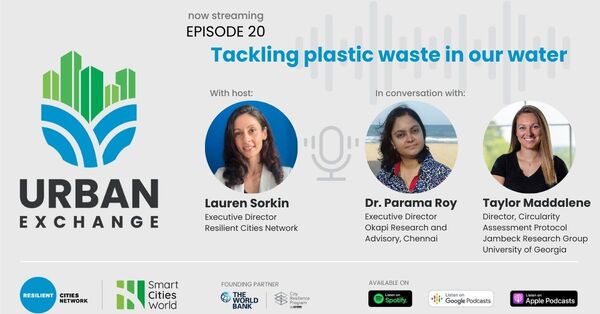
Lauren Sorkin, executive director of Resilient Cities Network, Judith Rodin, author of The Resilience Dividend, and Michael Berkowitz of Climate Resilience Academy, explore what makes a city resilient.


Whether it’s the devastating floods in southern Brazil, dozens of earthquakes in Taiwan, or tornado outbreaks in the United States, climate change keeps capturing headlines. Rising inequality, conflicts, and political division add layers to our current polycrisis reality. Countries are fragmenting, but cities are different. Cities are collaborating.
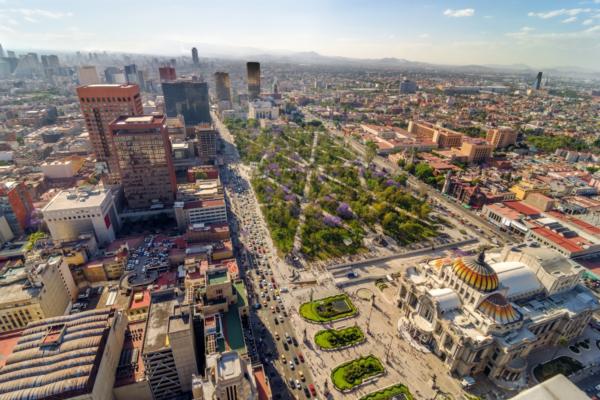
It was 10 years ago when the global resilience movement stepped out with the chief resilience officers and a network of cities. Since then, cities have built capacity, led transformations, and prepared their communities for the future. Mexico City is one of them.
In the neighbourhoods of Mexico City, you can now stumble upon a PILARES centre – one of the 294 points of innovation, freedom, art, education, and knowledge spread across the city. Located in underserved neighbourhoods, the centre offers a range of activities and resources, from cyber schools and arts workshops to sports facilities, vegetable gardens and spaces for job training. These vibrant community hubs are all about openness and flexibility, encouraging everyone to participate and feel a sense of belonging.
Mexico City has also ingeniously integrated eight transit systems into a single transport card, making it easier for everyone to get around. The city’s re-vegetation projects and sustainable water systems are also part of the solutions that propelled the city to be the winner of this year’s Lee Kuan Yew World City Prize.
The prize honours outstanding achievements and contributions to the creation of livable, vibrant, and sustainable urban communities around the world. Mexico City was chosen for its ability to address multiple challenges at once and achieve transformational progress within a relatively short time of five years.
The prize is a recognition of building a resilient city in a polycrisis era.
Cape Town, Melbourne, Rio de Janeiro and Wellington were selected as honorees for their achievements and best practices in building and strengthening resilience. Cape Town’s agile governance in response to a severe water crisis, Melbourne’s revitalisation of urban spaces after Covid-19, Rio’s urban revitalisation around pedestrians, and Wellington’s community-based ecological restoration efforts all serve as beacons of urban resilience.
What do all of these cities have in common?
Cape Town, Melbourne, Mexico City, Rio de Janeiro, and Wellington were all part of the 100 Resilient Cities (100RC) programme, which created the role of the chief resilience officers within local governments. The cities remain members of the Resilient Cities Network (R-Cities).
The convergence of global recognition and local transformations offers profound insights into the theory and practical application, which we originally articulated 10 years ago in The Resilience Dividend and embedded in resilience training that was delivered to each Network city.
The concept of the resilience dividend highlights the multifaceted benefits of resilience investments, from reducing disaster-related losses to enhancing economic, social, and environmental outcomes. This is exemplified by the multiplicity of successful cases of the 101 cities of the network.
Collaborating as a network, the resilient cities have created a common language, built knowledge, shared best practices and keep embedding resilience into urban planning and governance. Ten years on, more than 100 cities and counties have resilience strategies, and the majority have chief resilience officers.
R-Cities and Resilient Cities Catalyst now spearhead the work that was started by 100 Resilient Cities. Together with other networks, they foster a culture of preparedness and innovation. They have attracted billions in external funding for cities’ projects showing the economic benefits of resilience thinking and planning.
There are countless lessons learned over more than a decade of resilience practice, for every city is different. Yet, some common threads bind these efforts together
Holistic Long-Term Planning and Implementation
Resilient cities consistently drive initiatives that integrate hard and soft infrastructure, aligning community, industry and government efforts to enhance efficiency and sustainability. They are consistent in proactive planning. Anticipating risks and integrating resilience drives preparedness to future challenges. A portfolio approach to resilience projects, as seen in Cape Town’s and Rio’s urban initiatives, enables cities to address diverse needs and attract varied funding sources, thus ensuring sustainable urban development.
Economic and Social Equity
Investments in resilience in leading cities address economic productivity and social equity. They prioritise creating jobs, protecting inclusive infrastructure, and ensuring that vulnerable populations are included in resilience planning and implementation.
Collaborative Governance
Strong leadership and governance are crucial. Cities that hire a chief resilience officer and integrate resilience into their leadership structure are stronger for it. Resilient cities engage multiple stakeholders – government, private sector, non-profits, and communities – and are therefore better positioned to implement sustainable resilience measures.
Innovative Approaches
Leveraging technology and innovation is essential. From Mexico City’s digital identity platform to Wellington’s ecological restoration, technological advancements can drive effective resilience strategies. Effective use of data is critical to understand vulnerabilities and guide resilience-building efforts and monitor their effectiveness.
Global Influence and Learning
Staying connected to peers in cities around the world is a positive influence on global resilience practices. The success stories of the Lee Kuan Yew World City Prize winners can and will inspire cities worldwide to adopt and adapt best practices for urban resilience.
Moving forward
The journey towards more resilient cities is ongoing and requires sustained effort, investment, and innovation. While resilience is now the aspiration for many, implementation and investment efforts fall short of rapidly increasing need. Cities must advance from planning to execution, ensuring that resilience measures can withstand political and environmental changes, particularly those precipitated by the climate crisis.
By embracing the principles of the resilience dividend, cities can not only protect themselves against future shocks and stresses but also thrive in an increasingly uncertain world.
Why not try these links to see what our SmartCitiesWorld AI can tell you.
(Please note this is an experimental service)
How do chief resilience officers enhance urban governance and collaboration?What role does holistic long-term planning play in urban resilience?How can cities integrate social equity into resilience investment strategies?In what ways does technology improve monitoring of urban resilience efforts?How does global city networking accelerate adoption of resilience best practices?Latest City Profile
SmartCitiesWorld Newsletters (Daily/Weekly)
You may also like these related articles...
BECOME A MEMBER
© 2026 SmartCitiesWorld
Smart Cities World Ltd, 37 Lombard Street, London, EC3V 9BQ