








Svetlana Tesic co-founder, vice president international public affairs and partnerships, Mayors of Europe, discusses mayoral priorities and sheds light on those cities with the most contented citizens.
Svetlana Tesic (ST): From everything we see following work of mayors across European cities, climate action and tackling environmental issues is number one priority for 2024. From how to mitigate climate change to much needed actions promoting climate adaptation and resilience among all stakeholders. I would say mayors are very much aware of the leading position cities hold and they are not only solving issues but also providing their cities for pilots as cities are becoming living laboratories of our future. Lately we start to hear from mayors across Europe loud and clear pointing out financing climate actions should be prioritised by EU and national governments, and it’s fair to say so, in order to move from words to much needed fast action.
Equity and inclusion is also among top priorities, as mayors are ‘last mile of governments’ next to the citizens and their needs are lately becoming critical in the aspect of affordable housing, wellbeing and preventing poverty. Addressing social inequalities and ensuring that all residents have access to opportunities and essential services is crucial for the wellbeing and prosperity of cities. This involves tackling issues such as affordable housing, education, healthcare, transportation equity, and economic empowerment. Cities need to prioritise policies and initiatives that promote diversity, inclusion, and social justice to create more equitable urban environments.
Cities are not only solving issues but also providing their cities for pilots as cities are becoming living laboratories of our future
As a third priority I would say sustainable mobility, as it is in direct correlation with environmental impact, but resource conservation, health benefits, urban liveability and economic efficiency as well and we already see many great examples from the cities implementing solutions towards sustainable mobility.
And I would like to see mayors prioritising one more thing in 2024. Their mental health and wellbeing. We are all aware of the complex issues they are dealing with on a daily basis, as well as other level politicians, and surveys are showing us lack of support resources. We want them to feel good while doing their job for the benefit of all citizens, because they are part of our communities.
ST: The Survey on the Quality of Life in European Cities, conducted by the European Commission in 2023, and published this year, sheds light on the cities where residents are most content with their living conditions. This comprehensive study highlights how effective local governance and well-planned initiatives can lead to high levels of satisfaction among citizens. The cities that top this list have demonstrated exemplary practices in creating sustainable and liveable urban environments.
From Zurich’s Vision 2035 to Rennes’ Metropolitan Climate Plan, these cities have set benchmarks through targeted efforts and innovative projects. By prioritising sustainability, mobility, and overall quality of life, these urban centres have not only improved immediate living conditions but also ensured long-term resilience and happiness for their residents. The following article delves into the top 10 cities where citizens are most satisfied with their living conditions, illustrating the vital role of local governments in shaping vibrant communities.
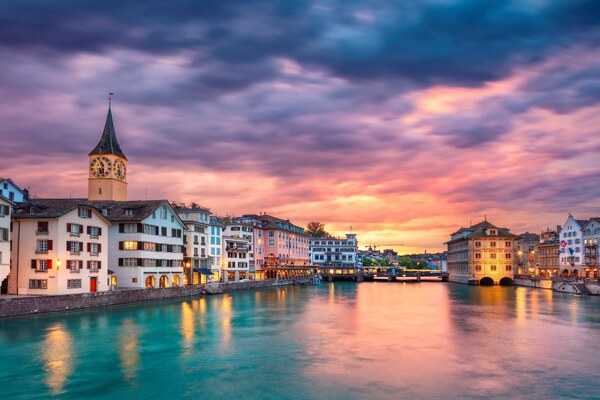
Zurich, Switzerland, takes the top spot with an impressive 97.10 per cent satisfaction rate. The city’s Vision 2035 initiative, which focuses on sustainability and resilience, plays a significant role. Residents benefit from expanded green spaces, improved public transport, and significant CO2 emission reductions.
Following closely is Groningen, Netherlands, with a 95.30 per cent satisfaction rate. Known for its innovative mobility plan, Groningen’s emphasis on bicycle-friendly infrastructure and sustainable urban planning enhances the liveability of the city.
Copenhagen, Denmark, holds the third position with a 95.10 per cent satisfaction rate. The ambitious Climate Plan 2025, which aims for carbon neutrality by 2025, includes investments in renewable energy, green mobility, and smart city solutions, transforming Copenhagen into a sustainable urban haven.
In fourth place is Leipzig, Germany, where 95.00 per cent of residents are satisfied with their city. Leipzig’s Sustainable Urban Mobility Plan promotes electric public transport and extensive pedestrian zones, creating a cleaner and more accessible urban environment.
Gdańsk, Poland, ranks fifth with a 94.80 per cent satisfaction rate. The city’s Smart City strategy, including Green Transport Zones that reduce traffic congestion and promote eco-friendly transportation, significantly enhances the quality of life for its residents.
We aim to inspire every local leader of the city to establish cooperation and practice collaborative leadership approach
Stockholm, Sweden, with a 94.70 per cent satisfaction rate, is in sixth place. Stockholm’s Vision 2040 focuses on becoming fossil fuel-free, with extensive green spaces, clean waterways, and sustainable housing projects leading the environmental efforts.
Seventh on the list is Rostock, Germany, with a 94.10 per cent satisfaction rate. Rostock’s Urban Development Plan emphasises green energy projects like HyTechHafen, positioning the city as a leader in hydrogen technology and clean air initiatives.
Braga, Portugal, shares the seventh spot with a 94.10 per cent satisfaction rate as well. Braga’s Sustainable Urban Development Plan includes urban redevelopment, enhanced public transport, and increased green spaces, significantly improving residents’ quality of life.
Cluj-Napoca, Romania, is in ninth place with a 94.00 per cent satisfaction rate. The “Green Cluj” initiative promotes urban green spaces and sustainable transportation solutions, boosting the satisfaction levels of its residents.
Finally, Rennes, France, rounds out the top ten with a 93.80 per cent satisfaction rate. Rennes’ Metropolitan Climate Plan aims to reduce carbon emissions and increase renewable energy use, with projects enhancing public transportation and green spaces contributing to high resident satisfaction.
By continuing to innovate and prioritise the needs of their citizens, local governments can help create cities that are not only liveable but also lovable, fostering a high level of satisfaction and quality of life for all residents.
ST: We are focused on best practices that can serve as good examples to be implemented not only among the most progressive cities but those who consider themselves less capable and often intimidated due to lack of resources and not only financial but in much needed talents. By bringing good practices from across Europe and not only EU, easy fixes and complex ones, we aim to inspire every local leader of the city to establish cooperation and practice collaborative leadership approach.
Giving the voice to scientists and their studies, analysis and research, we offer local decision-makers first hand science-driven solutions that can be considered for pilots in their cities and multiplied as best practices, at the end. I am very proud of this aspect as in constant exchange with scientists we see they feel not heard enough and their contribution is much needed to solve these complex issues in the cities.
And last, but not least, we are continuously involved in helping Ukrainian mayors harvest the best practices and exchange with their European colleagues to help them restore the country at the new green and sustainable foundations.
Why not try these links to see what our SmartCitiesWorld AI can tell you.
(Please note this is an experimental service)
How can cities effectively finance climate action through EU and national support?What strategies improve equity and inclusion in affordable urban housing?Which sustainable mobility solutions best reduce urban environmental impact?How do local governments integrate scientific research into city policy-making?What collaborative methods help cities share best practices for resilience?