



















BUILD YOUR OWN
RESOURCE LIBRARY



Opinions
Transforming indoor public safety with smart sensor networksSponsored by Motorola Solutions

How AI will define cities and mobility in 2026Sponsored by ST Engineering
Smart Infrastructure: Tackling chemical fires
The infrastructure within buildings, energy, transport and government is increasingly clever, designed both to feed back data and to respond to changing requirements. But some of the greatest potential gains lie in linking together these different systems, creating a system of responsive networks and feedback loops and that are far greater than the sum of their parts.


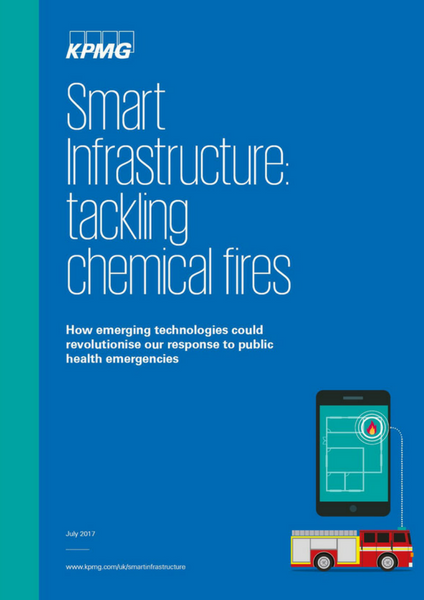
Smart Infrastructure: Tackling chemical fires
So when it comes to an emergency situation, generating and sharing information on the nature, location and progression of specific threats, digital technologies promises to help emergency teams respond more quickly, effectively and safely.
In this whitepaper, KPMG looks at how different suppliers, service providers, government agencies and local authorities can work together to help manage emergency situations.
If you are involved in the following areas, then this report would provide a useful insight into how smart infrastructure can start to work for cities across the world.
• Local & Regional Authorities
• Government Agencies
• Sensor Manufacturers
• Building Management Systems
• Energy Suppliers
• Town Planners
• Emergency Services
• Platform Providers
• Transport Providers
• Teleco Operators, Providers and Manufacturers
• HR Specialists
Download this White Paper from KPMG in the SmartCitiesWorld resource area. If you are not already a member, it’s free and takes just 30 second to register
Why not try these links to see what our SmartCitiesWorld AI can tell you.
(Please note this is an experimental service)
How can smart infrastructure improve emergency response times during chemical fires?What role do sensor manufacturers play in detecting hazardous chemical threats?How can data sharing between agencies enhance public health emergency management?In what ways can building management systems adapt to chemical fire incidents?How do transport providers contribute to safer evacuation during chemical emergencies?Latest City Profile
SmartCitiesWorld Newsletters (Daily/Weekly)
You may also like these related articles...
BECOME A MEMBER
© 2026 SmartCitiesWorld
Smart Cities World Ltd, 37 Lombard Street, London, EC3V 9BQ