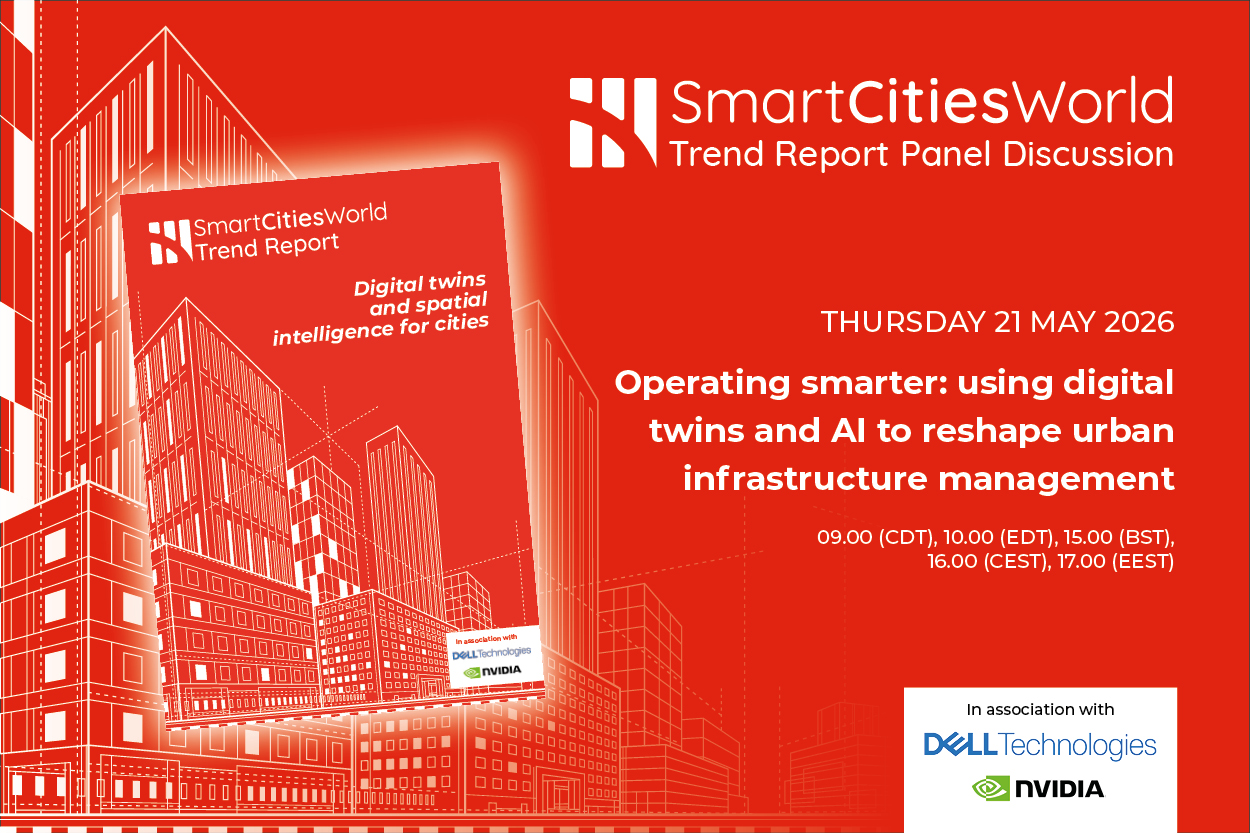



Discover how AI-powered digital twins are transforming urban infrastructure and how these innovations can improve efficiency, resilience, and sustainability.
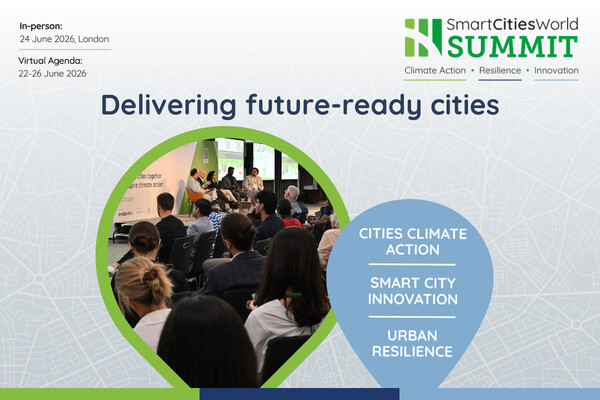
As cities confront the combined pressures of climate change, infrastructure resilience and digital transformation, the SmartCitiesWorld Summit 2026 will bring together urban leaders and partners during London Climate Action Week to explore how these agendas intersect – and how cities can translate strategy into practical action.
The 2024 Cities Climate Action Summit will focus on innovative funding mechanisms and strategies to mobilise private finance for urban climate initiatives as one of its central themes.
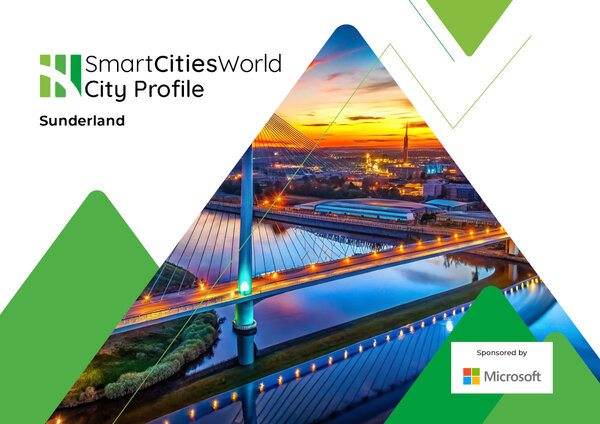
Find out how Sunderland is repositioning itself as a leading smart city – using digital infrastructure and low-carbon innovation to build a resilient, future-focused economy in the latest SmartCitiesWorld City Profile.
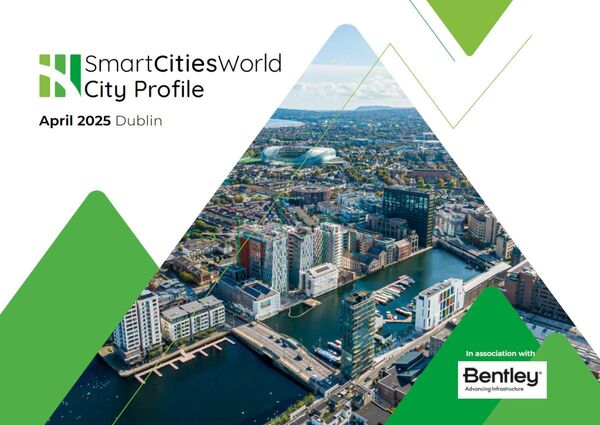
Find out how Dublin is innovating to improve experiences and services for its communities in the latest SmartCitiesWorld City Profile, including digital twin projects, traffic reduction, and economic growth.
Tune into the SmartCitiesWorld podcast to understand the world of sovereign AI for cities, featuring PNY Technologies’ Youssef Nadiri as our expert guest.
SmartCitiesWorld speaks with Bentley Systems leaders about unleashing AI and digital twins to drive innovation, resilience, and people-first progress in the world’s cities.
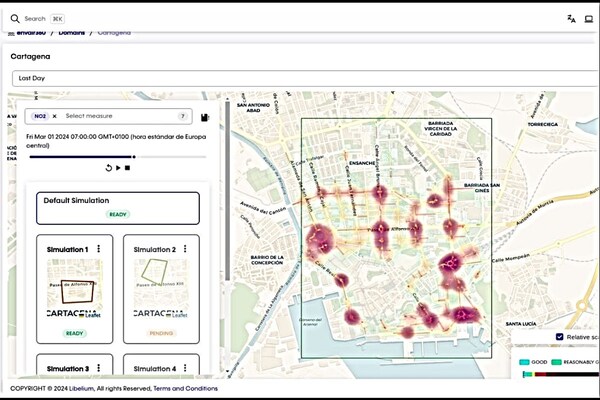
Libelium will be demonstrating its cutting-edge IoT solutions designed to monitor and reduce urban pollution based on artificial intelligence and digital twins.
From tech trends to behavioural shifts and new ways to make smart cities economically sustainable, Matthew James Bailey explores what the next five years could look like.
Find out how Sunderland is repositioning itself as a leading smart city – using digital infrastructure and low-carbon innovation to build a resilient, future-focused economy in the latest SmartCitiesWorld City Profile.
Download our latest report to uncover how artificial intelligence is being used to support cities in how they plan and operate city services to ensure they are vibrant, sustainable and economically thriving modern spaces.
Discover how AI-powered digital twins are transforming urban infrastructure and how these innovations can improve efficiency, resilience, and sustainability.
Discover the technology and considerations behind how cities can turn existing streetlight networks into secure, interoperable, and future‑proof infrastructure in the second episode of Cities Thriving on Lighting.
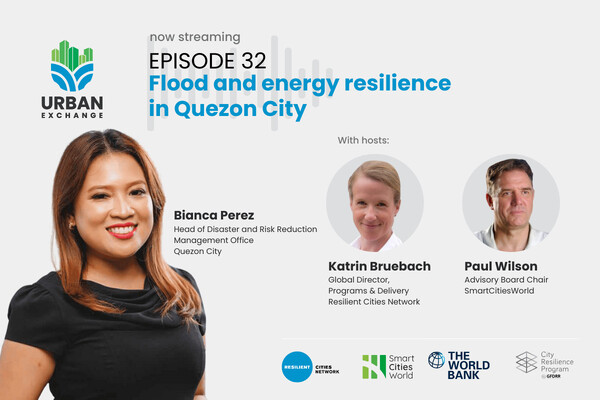
Tune in for the latest Urban Exchange where we get a first-hand account of city resilience measures from Quezon City following unexpected extreme rainfall.
Our editorial newsletter pulls together our latest news items into one email, direct to your inbox. We also feature our latest city interviews, Special Reports and Guest Opinions.
Digital twin best practices, genAI guidelines, autonomous underwater robotic scanning and thermal measurement tech all feature in the PGH Lab Cohort 11.0.
The annual global awards programme recognises digital innovation in how infrastructure is designed, built, and operated using Bentley Systems software.
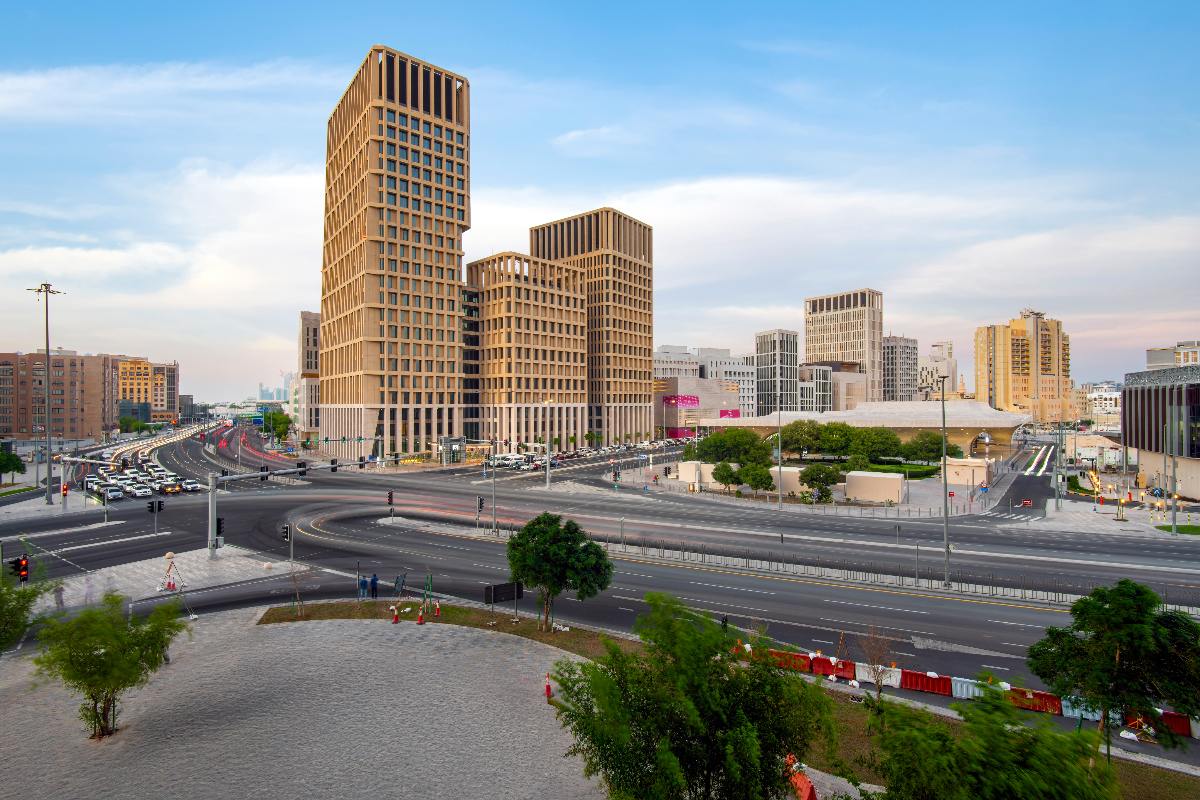
Msheireb Properties is collaborating with Ooredoo Qatar and Honeywell to use an AI platform to automate and manage the Doha smart city, Msheireb Downtown.
Iveda’s new capabilities aim to transform existing intersection cameras into real-time traffic intelligence, enabling cities to enhance existing infrastructure.
The new centres will be in Abu Dhabi, Andhra Pradesh, London and Paris and will focus on AI, frontier technologies, energy transition and cyber resilience.
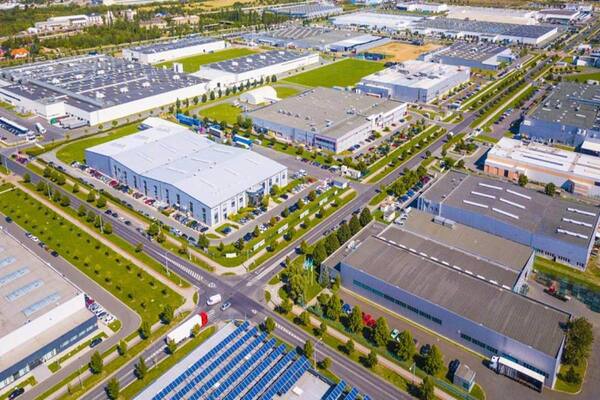
Great Plains Industrial Park and Kansas Proving Grounds in Southeast Kansas is using the technology to transform itself into an AI-enabled innovation ecosystem.
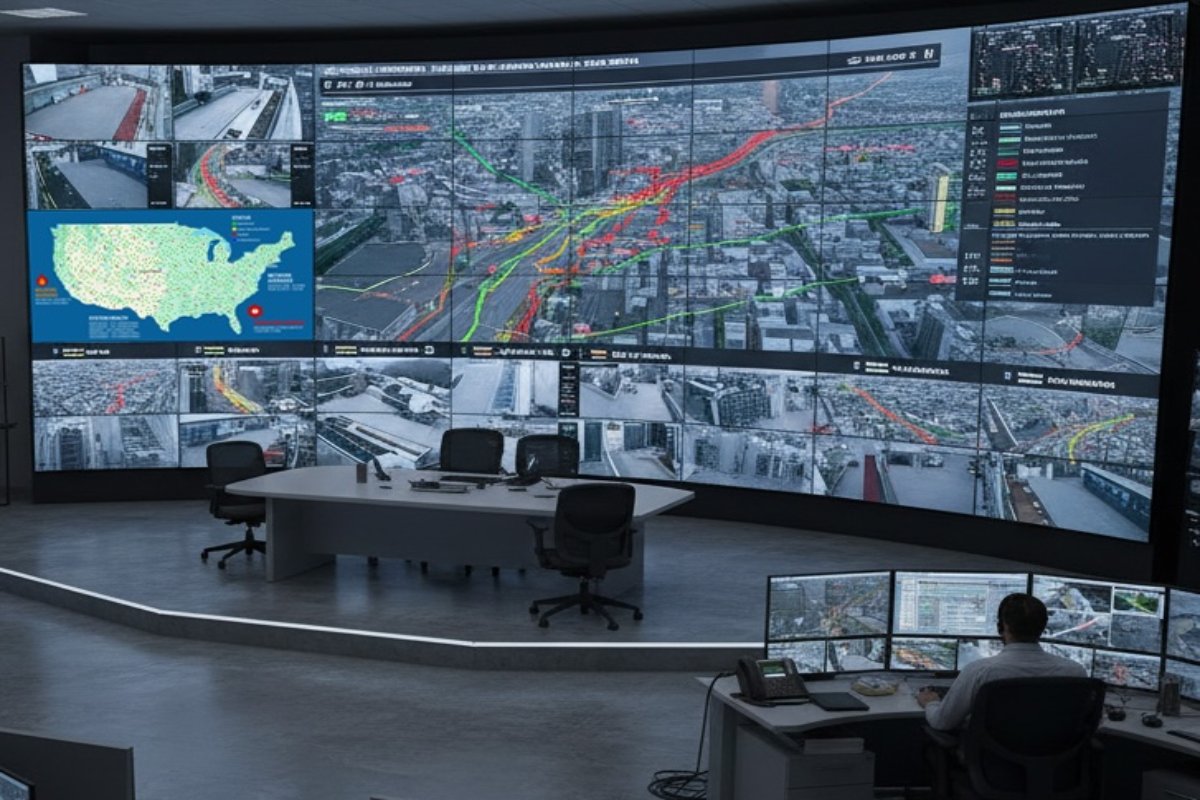
Terbine’s Mission Control system is designed to manage the complexity of autonomous systems at scale and ensure humans are kept in the loop in smart cities.
With five pilot sites, the project aims to transform the way Europe monitors, evaluates and improves safety and maintenance of its urban and secondary roads.
New partnerships across North America, Europe, and Asia extend survey-grade reality capture and digital twin solutions for infrastructure professionals.
The 3D model of six hospitals supports the digital transformation programme at Manchester University NHS Foundation Trust, one of UK’s largest NHS Trusts.
The company will build and operate a smart city platform with citywide network connectivity for the Qatar city using advanced AI and data-driven technologies.
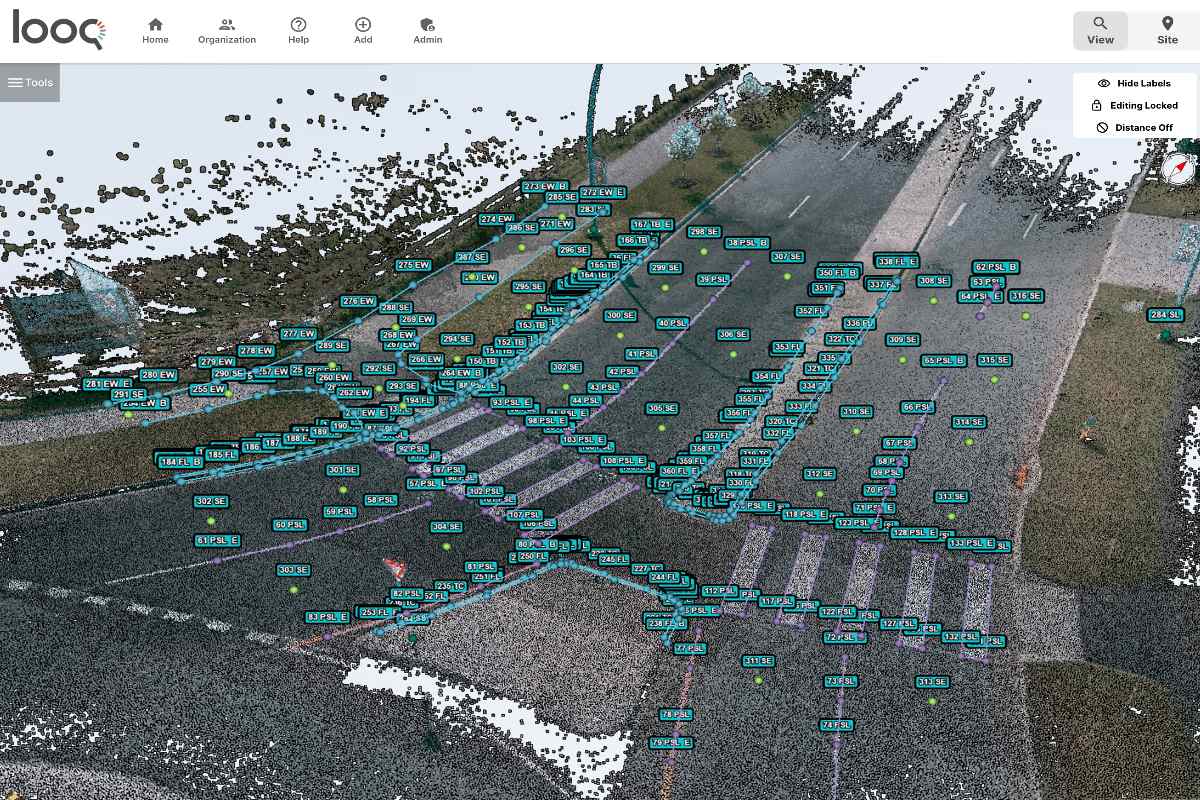
Computer vision and machine learning specialist, Univrses, will work with the Swedish Transport Administration to digitise and manage roadside infrastructure.
Each sculpture features a 24/7 visual livestream from a Portal in the other city, allowing real-time interaction between Dubliners and New Yorkers and visitors.
Smart city is the framework based on Information and Communication technologies that enable the development of sustainable practices to address the urbanisation challenges. Leveraging the technology is one of the foremost pillars of ‘smart cities’ in order to increase efficiencies and improve the quality of resident’s life and the city’s services.
SmartCitiesWorld Newsletters (Daily/Weekly)
Our editorial newsletter pulls together our latest news items into one email, direct to your inbox. We also feature our latest city interviews, Special Reports and Guest Opinions.
Find out how Sunderland is repositioning itself as a leading smart city – using digital infrastructure and low-carbon innovation to build a resilient, future-focused economy in the latest SmartCitiesWorld City Profile.
Find out how Dublin is innovating to improve experiences and services for its communities in the latest SmartCitiesWorld City Profile, including digital twin projects, traffic reduction, and economic growth.
How the convergence of sovereign urban intelligence infrastructure, digital twins and AI can help cities support decision-making and achieve better outcomes.
This report draws on a new survey of 100 senior practitioners and explores what kinds of digital investments cities are making, where they are seeing results, and what is holding them back.