
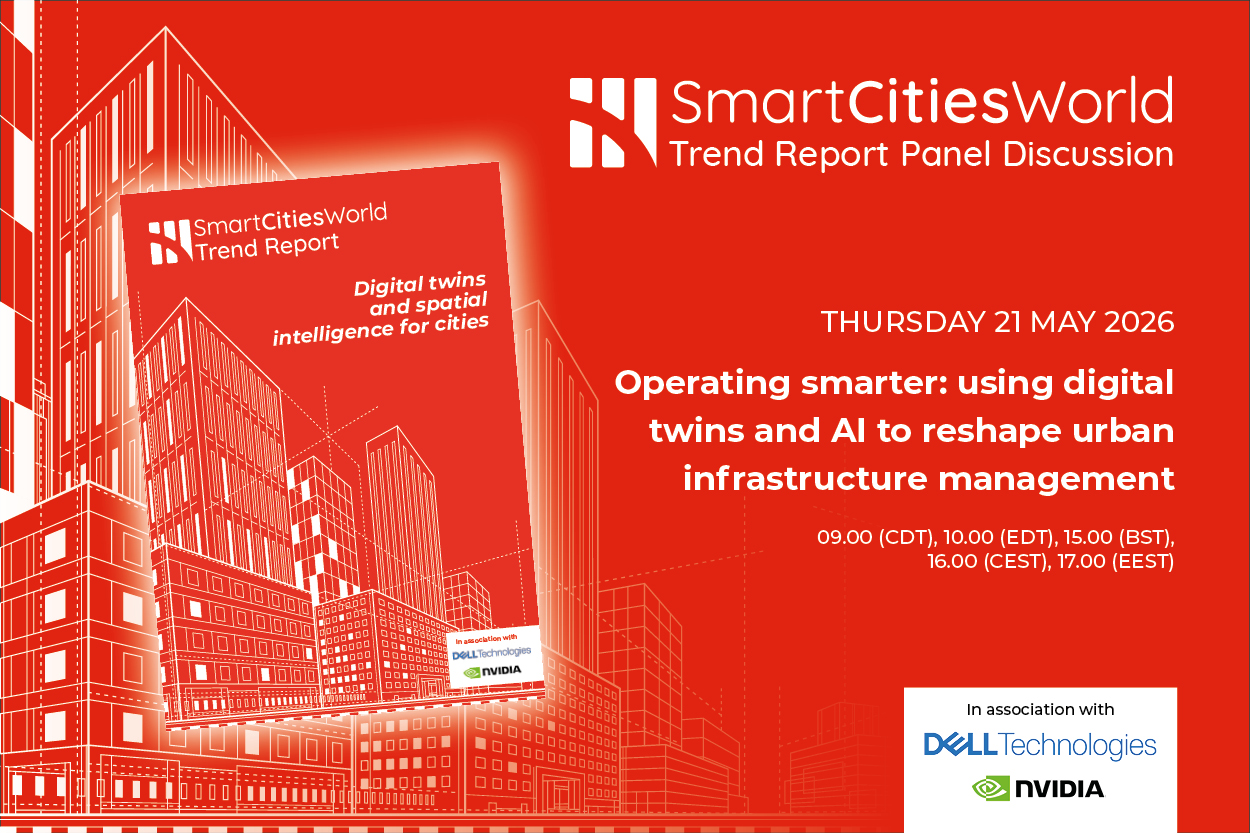










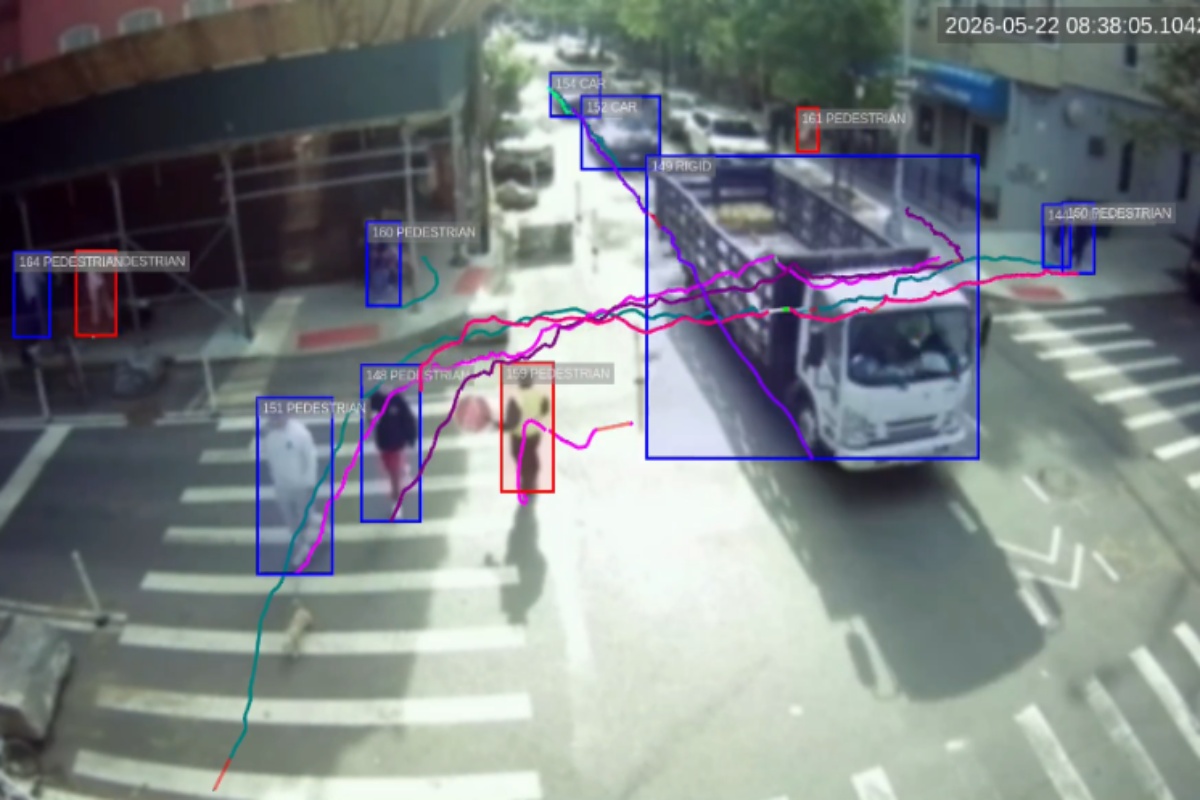

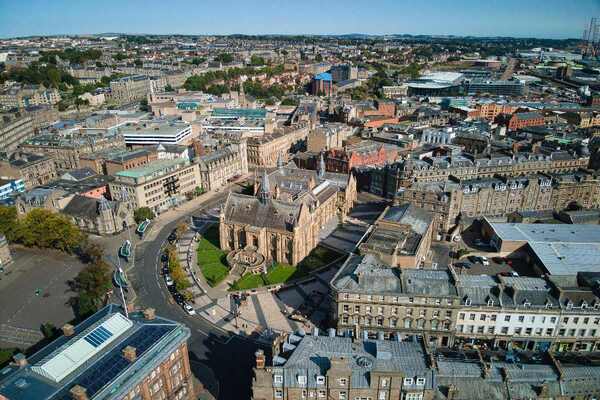
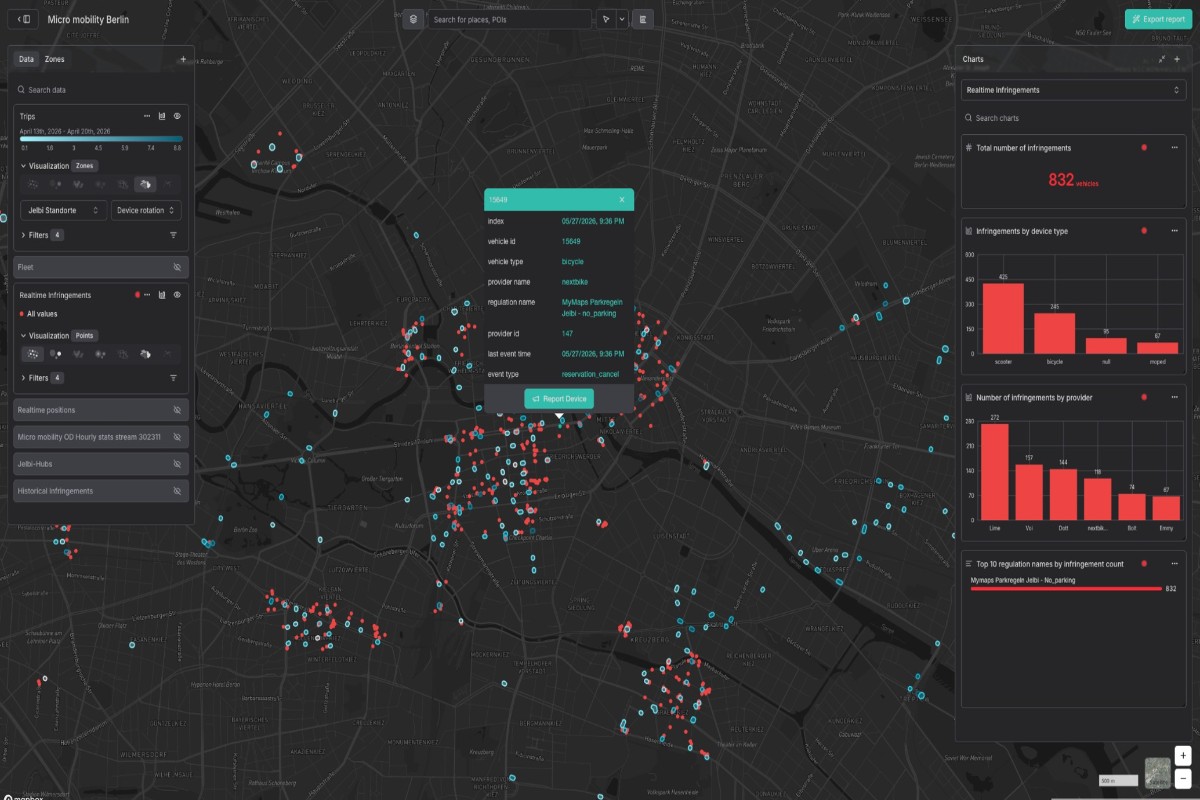
This report explores how the combined rise of digital twins and AI is offering cities a new kind of operational layer, enabling a shift from passive monitoring to active management to support energy optimisation, infrastructure resilience, faster service delivery and strategic long-term planning.

Climate risk, ageing infrastructure, tighter budgets and rising citizen expectations are all converging at once, forcing public authorities to rethink how urban systems are planned, operated and improved. Traditional approaches based on fragmented datasets, siloed departments and backward-looking reporting are proving insufficient.
Cities need a more connected, real-time and intelligent way of understanding how their assets, services and systems actually perform. That is where the combined rise of digital twins and AI is becoming so significant.
But technological capability alone is not enough – as cities become more data-driven, questions of sovereignty, trust, governance and interoperability become central. They must deploy new tools in ways that align with regulation and public accountability.
Against that backdrop, this report explores not only what digital twins and AI can do for cities, but how they can be deployed responsibly, practically and at scale through the combined experiences of PNY Technologies, Akila and ThinkDeep AI.
Inside the report, you’ll discover:
Download this SmartCitiesWorld report today to find out how the combined use of AI and digital twins is helping cities create a layer of intelligence capable of transforming how public authorities understand assets, make decisions and deliver services.
Why not try these links to see what our SmartCitiesWorld AI can tell you.
(Please note this is an experimental service)
How can sovereign digital twins improve urban energy optimisation and resilience?How can AI simulations reduce urban congestion and improve mobility planning?How should cities implement governance to ensure AI and data sovereignty?How do digital twins enable predictive maintenance for aging urban infrastructure?How can cities balance public trust, accountability and AI driven decision making?