









 22 - 26 June 2026: Find out more

BUILD YOUR OWN
RESOURCE LIBRARY



Podcasts
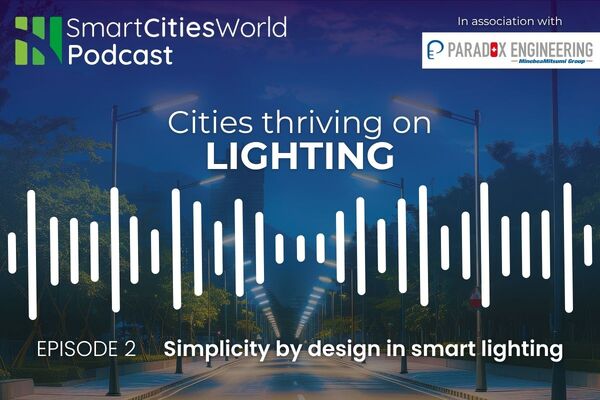
Cities Thriving on Lighting, Episode 2 – Simplicity by design in smart lightingSponsored by Paradox Engineering
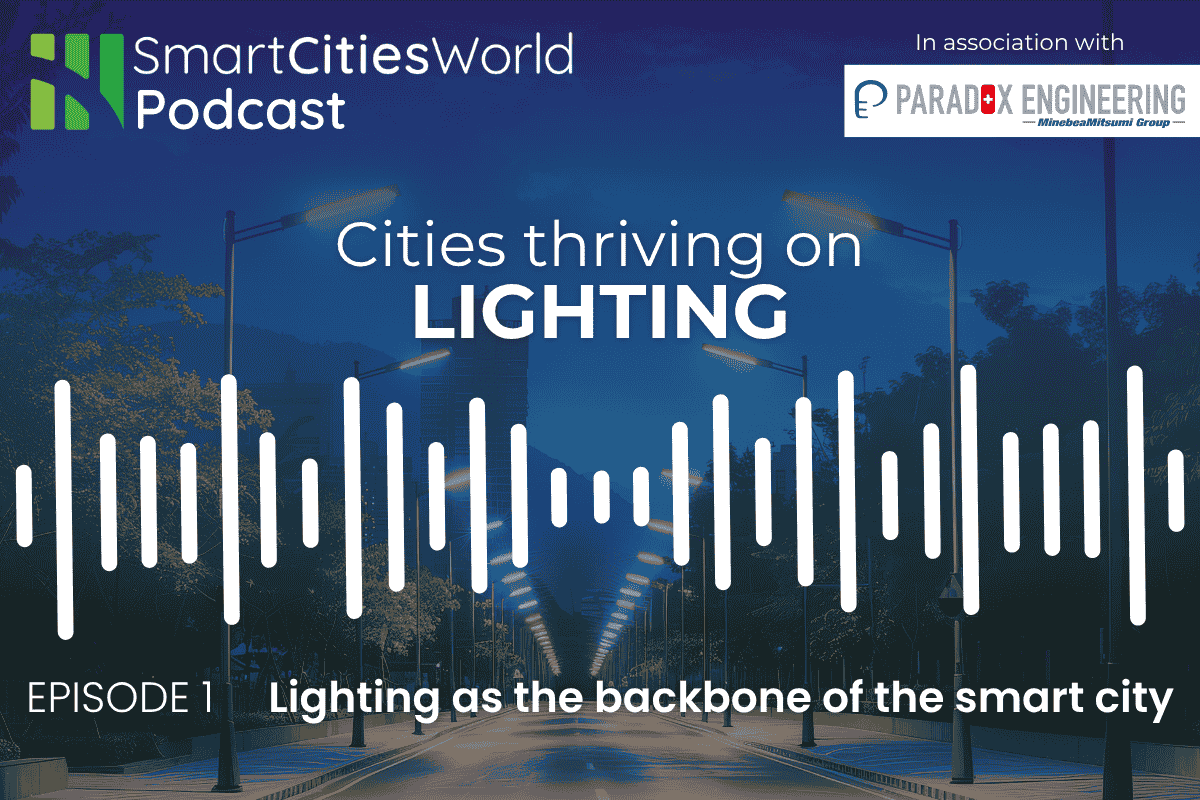
Cities Thriving on Lighting, Episode 1 – Lighting as the backbone of the smart citySponsored by Paradox Engineering
Opinions
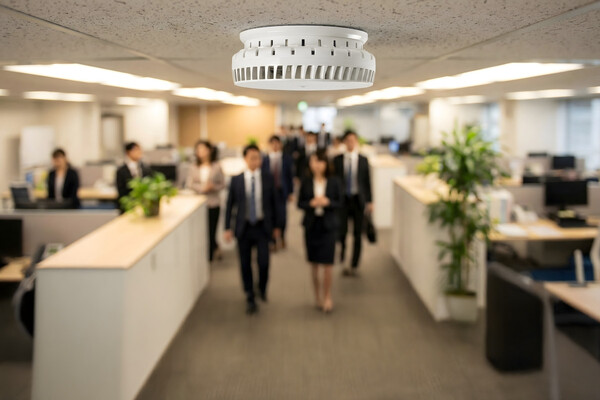
Transforming indoor public safety with smart sensor networksSponsored by Motorola Solutions
Joby Aviation applies for certification in Australia
The electric air taxi company’s application to Australia’s Civil Aviation Safety Authority lays the groundwork for the introduction of emissions-free air taxis.


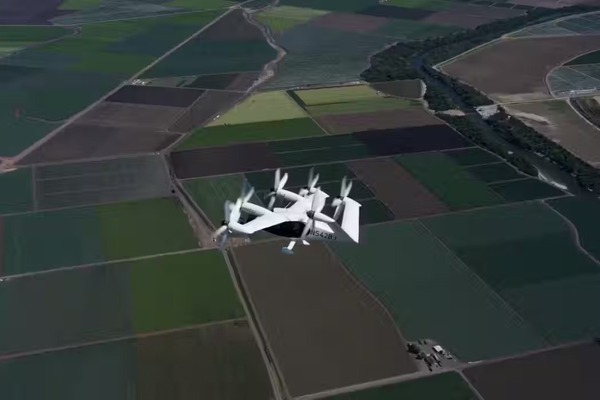
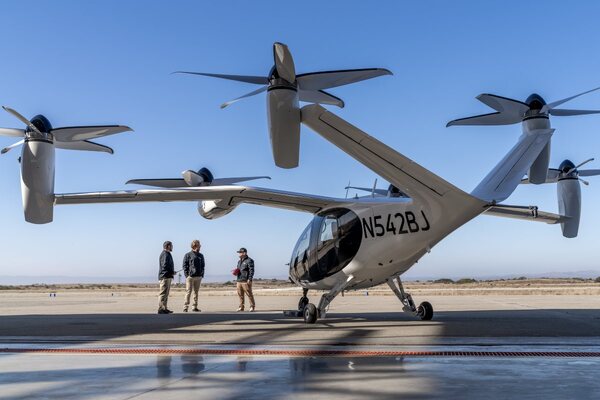
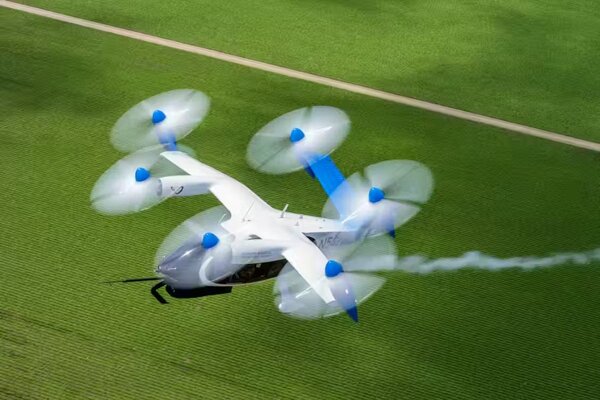
Joby Aviation, a company developing electric air taxis for commercial passenger service, has formally applied for its aircraft to be certified for use in Australia.
Joby’s application to Australia’s Civil Aviation Safety Authority (Casa)) for the validation of a Federal Aviation Administration (FAA) type certification builds on a bi-lateral agreement between the US regulator and Casa, and it lays the groundwork for the introduction of quiet, emissions-free air taxis in Australia.
Zero operating emissions
Joby’s electric air taxi is designed to carry a pilot and four passengers at speeds of up to 200mph, offering high-speed mobility with a fraction of the noise produced by helicopters and zero operating emissions.
“We’re incredibly excited about the potential for air taxis to offer new and more sustainable ways to travel around Australia’s global cities,” said JoeBen Bevirt, founder and CEO of Joby.
“With commercial powered-lift operations already considered in Casa’s regulatory frameworks, we’re pleased to be working with Australian authorities using a regulatory path to market that is actively being pursued by numerous countries around the world.”
“We’re incredibly excited about the potential for air taxis to offer new and more sustainable ways to travel around Australia’s global cities”
To date, Joby claims to have completed more than 33,000 miles of all-electric flight with full-scale prototype aircraft and, in November 2023, Joby became the first electric air taxi company to fly in a major US city, taking off from the Downtown Manhattan Heliport in New York. This flight was used to demonstrate the aircraft’s quiet acoustics for an audience, including mayor Eric Adams, who announced the city’s intention to electrify the heliport.
Read More
Type certification is a multi-year process which sees a company undertake rigorous testing and documentation across each aircraft system to prove the aircraft meets safety standards and is ready for commercial operations.
Joby reckons it was the first electric air taxi developer to have its FAA certification basis published in the US Federal Register, and was also the first company to complete the first, second and third of five stages of the FAA type certification process required for commercial service. Joby has also applied to have its FAA type certificate, once received, validated by the Japan Civil Aviation Bureau (JCAB) and the UK’s Civil Aviation Authority (CAA).
“We’re pleased to be working with Australian authorities using a regulatory path to market that is actively being pursued by numerous countries around the world”
In June 2024, the company announced it had received FAA authorisation to use a suite of software tools developed in-house, called ElevateOS, that are designed to enable high-tempo, on-demand air taxi operations.
Joby has been actively developing and testing these software tools, in-house, since acquiring Uber Elevate, the air taxi division of Uber in 2021. In 2019, Uber Elevate launched and ran UberCopter, the world’s first on-demand, multimodal air taxi service, using traditional helicopters that were bookable via the Uber app.
Joby is listed on the New York Stock Exchange and has raised more than $2bn of funding to date, including investments from Toyota, Delta Air Lines, SK Telecom, Uber and Baillie Gifford.
Why not try these links to see what our SmartCitiesWorld AI can tell you.
(Please note this is an experimental service)
How does Joby's electric air taxi reduce noise compared to helicopters?What are the key safety standards in Joby's FAA type certification process?How will ElevateOS software optimize on-demand air taxi operations?What benefits does Joby's air taxi offer for urban mobility in Australia?How does the bilateral agreement between FAA and Casa support certification?
Latest City Profile
Latest Urban Exchange Podcast
Latest Special Report
SmartCitiesWorld Newsletters (Daily/Weekly)
You may also like these related articles...
BECOME A MEMBER
© 2026 SmartCitiesWorld
Smart Cities World Ltd, 37 Lombard Street, London, EC3V 9BQ