






 22 - 26 June 2026: Find out more
BUILD YOUR OWN
RESOURCE LIBRARY



Opinions
Smart lighting: enabling smart cities beyond illuminationSponsored by Paradox Engineering

How AI and biometrics are shaping next-generation mobility paymentsSponsored by ST Engineering
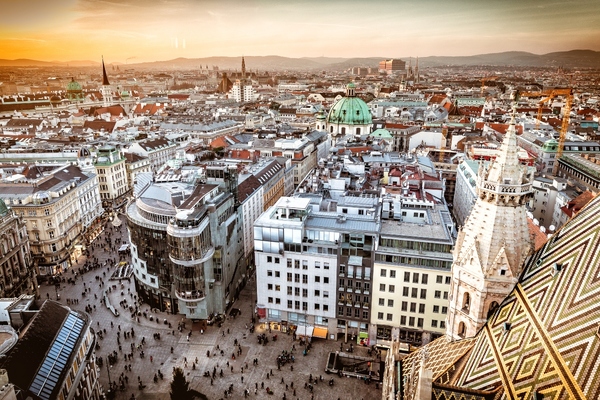
How Vienna became the world’s most liveable city – again
Thomas Madreiter, director of planning for the city of Vienna, explains how citizen participation and engagement on critical issues has shaped the city’s urban planning strategy to earn it the top ranking in this year’s Economist Intelligence Unit Liveability Index.


SmartCitiesWorld (SCW): What is your role within the city of Vienna?
Thomas Madreiter (TM): I’m the director of planning for the city of Vienna – a role that encompasses a range of responsibilities within the administrative side of the city’s operations, but to put it simply, I oversee the strategic planning and development of Vienna.
Similar to most cities, Vienna has the city government – the mayor and the city councillors – and alongside them, there is the city administration, which consists of the municipal departments. I’ve been with the city a long time, leading the municipal department for planning from 2005 to 2017. As director of planning, which is the executive level of the city administration, I am now responsible for managing all planning matters and initiatives.
Since 2010, I have also taken on the coordination of smart city issues, overseeing the integration and implementation of smart city technologies and initiatives to improve the overall efficiency and sustainability of Vienna.
For Vienna, being a smart city is a holistic strategy that encompasses our long-term framework
Vienna is in the middle of a dynamic period of development. In its recent history, the city had been facing a prolonged period of population decline, which persisted until the fall of the Iron Curtain. At that point, our population stood at around 1.5 million inhabitants. That moment in time has proved to be a turning point, and ever since we have entered a phase of steady population growth, which has only intensified over time.
The city is now home to just under two million inhabitants, representing a growth of approximately 25 per cent over the past 30 years. In 2020 alone, we witnessed an increase of 50,000 residents, which demonstrates how that upward trend has begun to intensify recently. These rapid changes present significant challenges for us to address.
When we embarked on our smart city journey around 14 years ago, we recognised that we were entering a period of remarkable dynamism and growth. In response, we made a deliberate decision to concentrate not only on quantitative aspects such as expanding housing, office spaces, and public transportation, but also the quality of these aspects of urban life.
For Vienna, being a smart city is a holistic strategy that encompasses our long-term framework. It’s not just about adding more infrastructure or amenities; it’s about enhancing the quality of public services, housing, social aspects of housing, and our mobility systems. We believe that by focusing on the quality of these elements, we can create a sustainable and vibrant urban environment that will benefit our current and future generations.
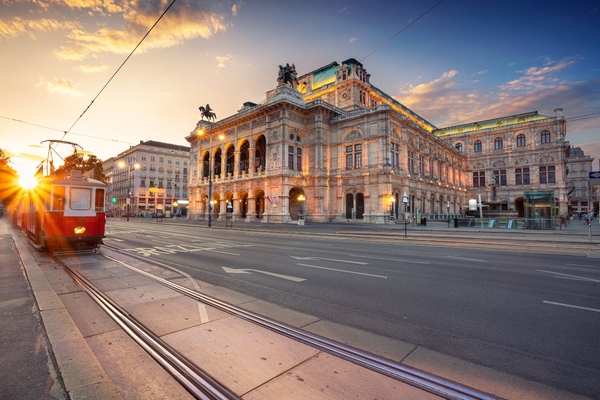
Citizens play a crucial role in policy: a survey found 90 per cent of the respondents stated that owning a private car is not necessary.
SCW: How would you describe the relationship between the city and its citizens?
TM: The relationship between the city of Vienna and its citizens is an essential aspect that contributes to the success of the city. Vienna was recently acknowledged as the world’s most liveable city in the Economist Intelligence Unit’s Liveability Index for 2023, and I believe one of the key factors behind this success is the strong bond between the city and its inhabitants.
In Vienna, we prioritise having a robust and effective city administration, rather than striving for a lean administration. It is true that citizens in Vienna and Austria pay significant taxes, however, we believe the crucial question is whether our citizens believe the outcome of these investments is worthwhile. The relationship between the city and its citizens is characterised by its strength and intensity, rooted in a long tradition of social democratic mayors in Vienna.
Our agenda is centred around putting the needs of the people at the forefront of our actions, ensuring that no one is left behind. It is a challenging goal but nonetheless essential. Recent events in other cities, such as the protests across France, should prompt cities everywhere to reflect on the underlying issues. I don’t claim to be an expert on France or its politics, but I do believe that root of the problems may lie in the interaction, or lack thereof, between the cities and their citizens, as well as the opportunities and treatment of migrants.
The relationship between the city of Vienna and its citizens is an essential aspect that contributes to the success of the city
Vienna endeavours to be a diverse and inclusive city, where migrants have greater opportunity and realistic chances of success. We value openness and strive to create an environment where individuals from different backgrounds can aspire to leadership positions. Returning to the question about the relationship between the city and its citizens, I would describe it as the foundation of our democratic understanding of the city.
The people of Vienna are not seen as clients, customers or consumers, but as citizens, which I think is a crucial distinction. In a neoliberal context that prevailed around 20 years ago, the focus was often on keeping customers satisfied. However, in Vienna, we prioritise the wellbeing and interests of our citizens, recognising them as active participants in shaping our city’s future. This democratic approach to the relationship between the city and its citizens truly makes a difference and informs our planning and strategy.
SCW: What methods does the city employ to understand the citizens’ priorities and concerns?
TM: One significant approach we have been using for nearly 30 years is a scientific survey conducted every three years. In this survey, we reach out to around 10,000 individuals and gather detailed information on various aspects of their experience living in the city. We enquire about their economic situation, housing conditions, family dynamics, and satisfaction levels with things like green spaces, public transport, and the education system. The survey provides us with valuable insights that help us track changes over time and identify emerging needs.
Another effective method is establishing, and maintaining, close contact with different action groups within the community. These groups are actively involved in different fields of action, such as climate, and through consistent communication, we gain valuable information about the needs and aspirations of the people they represent. The city also has strong relationships with the enterprises responsible for subsidised housing, which allows us to stay closely connected to the housing needs of the population.
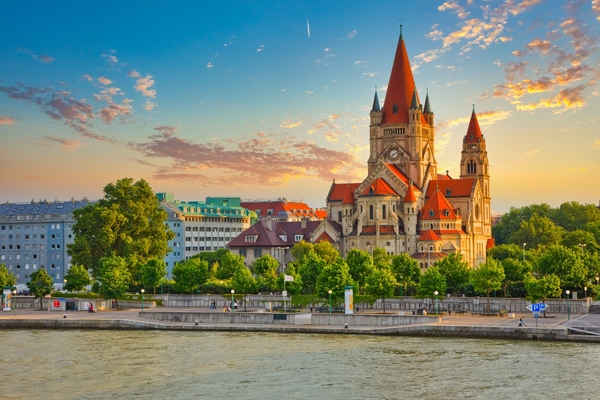
Citizens have a strong understanding of the climate crisis and have a desire to see more greenery, trees and cooling areas
When it comes to our children and youth, we have also implemented a comprehensive strategy where we directly engage with young people to understand their needs and interests within the city. This inclusive approach ensures that their voices are heard, and their perspectives shape our planning decisions.
I take pride in our recently established participatory budgeting system, specifically focused on climate action. We established a system we call ‘climate themes’, where we invite citizens to share their ideas and suggestions for optimising climate adaptation and reducing greenhouse gas emissions. The basis for it is an innovative IT and participation system to facilitate interaction with the public, enabling them to contribute their ideas. Those responsible for climate within the city administration then thoroughly assess these ideas, filtering out unrealistic or overly expensive proposals.
The remaining viable ideas are transformed into projects that are then presented back to the citizens for their input. They are given a budget range and are asked to prioritise the projects they believe should be funded. It’s a process that has proven really successful in harnessing the collective intelligence of the community, while empowering individuals to take action against the climate crisis.
That is the key message I want to emphasise: engaging with citizens is not only necessary but vital for a truly successful and inclusive urban transformation
Away from digital platforms and methods of participation, the city still prioritises physical meetings and face-to-face interactions with citizens. These meetings provide opportunities for dialogue, where we share our perspectives on the climate crisis and gather ideas and feedback from the community.
It all comes together to ensure we capture a wide range of perspectives and engage citizens of all types to participate. These ongoing interactions play a crucial role in shaping our planning and strategy, ensuring that the needs and aspirations of the citizens remain at the forefront of our decision-making process. Urban planning, ultimately, is a social challenge rather than a technical or technological challenge. It’s a change management process but it’s crucial that the citizen is part of the transformation.
SCW: How does the city use the results from these citizen engagement efforts to change for the better?
TM: The results of our citizen engagement efforts play a crucial role in shaping the city’s policies and planning strategies. As an example, in one of the surveys I mentioned, we asked people whether owning a private car is necessary for proper mobility in Vienna. The response was remarkable: 90 per cent of the respondents stated that owning a private car is not necessary. Having that kind of insight significantly influences our mobility policy and helps to put in place concrete plans for public transport expansion.
It has also influenced the transformation of public space across the city. By engaging with citizens, we have discovered that their preferences on this are perhaps more progressive than we might have expected. There are definitely some misconceptions about people’s attachment to cars and parking spaces cities, and through our surveys, we’ve found that most citizens have a strong understanding of the climate crisis. They recognise the increasing heat in cities and have a desire to see more greenery, trees, safe spaces for children, and cooling areas for the elderly. This is knowledge we have gained through scientific-based interactions, which helps shape our urban development policies to align with the desires and concerns of the community.
In my opinion, the interaction between the city and its residents is an indispensable part of successful urban transformation, facility design, and overall urban development policy. It is through these ongoing conversations and data-driven insights that we ensure our city evolves in a manner that reflects the needs and aspirations of our citizens. That is the key message I want to emphasise: engaging with citizens is not only necessary but vital for a truly successful and inclusive urban transformation.
Why not try these links to see what our SmartCitiesWorld AI can tell you.
(Please note this is an experimental service)
How does Vienna integrate citizen feedback into its urban planning strategies?What methods ensure inclusive participation in Vienna’s climate action initiatives?How has Vienna’s participatory budgeting influenced its climate adaptation projects?In what ways does Vienna balance population growth with sustainable housing development?How does Vienna’s public transport policy reflect citizens’ mobility preferences?citizen engagementclimate actionClimate change/ResilienceEnergy & EnvironmentGovernance and CitizenhousinginclusivityParks and green spacePlanningurban spaceVienna
Latest City Profile
SmartCitiesWorld Newsletters (Daily/Weekly)
You may also like these related articles...
BECOME A MEMBER
© 2026 SmartCitiesWorld
Smart Cities World Ltd, 27 Clements Lane, London, EC4N 7AE