








 22 - 26 June 2026: Find out more

BUILD YOUR OWN
RESOURCE LIBRARY



Podcasts

Cities Thriving on Lighting, Episode 2 – Simplicity by design in smart lightingSponsored by Paradox Engineering
Cities Thriving on Lighting, Episode 1 – Lighting as the backbone of the smart citySponsored by Paradox Engineering
Opinions

Transforming indoor public safety with smart sensor networksSponsored by Motorola Solutions
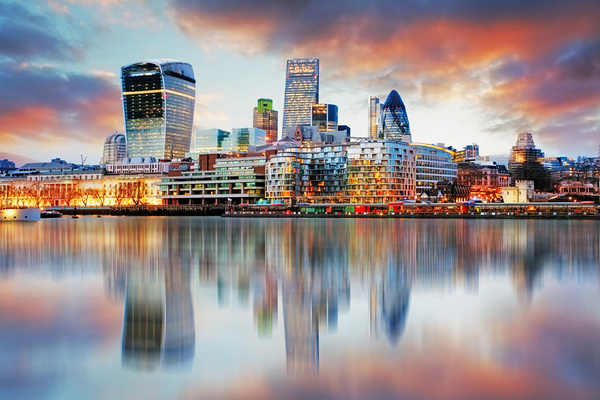
London reviews how technology can tackle climate change
Speaking at London Tech Week, Sadiq Khan launched the independent review and highlights the important role data and tech plays in tackling climate change.


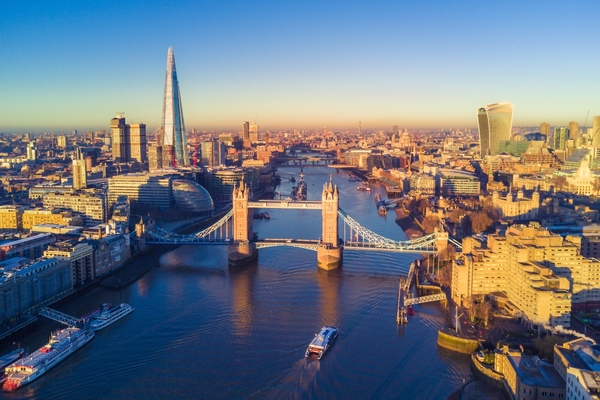
London is at the forefront of cities globally in using data and technology to address climate change
London is commissioning an independent review into the city’s preparedness to deal with the climate emergency and how technology and data can help.
Mayor Sadiq Khan announced the major review today to more than 700 technology businesses and industry leaders at the opening of the tenth London Tech Week.
Climate resilience
The London Climate Resilience Review will explore how London can harness technology – including artificial intelligence – to better adapt to, and prepare for, the impacts of a changing climate and future-proof the capital against its impacts.
It will then recommend what more can be done to protect Londoners, the environment and the economy from major climate risks including wildfires, flooding and extreme heat.
In his keynote speech, Khan celebrated London’s success as a top destination for international tech business, with new data from London & Partners showing that London has attracted more than 1,700 new international tech firms. London is also home to a growing climate tech sector.
“I am committed to ensuring that London adapts effectively to the climate risks it faces using every mechanism at our disposal including the power of technology”
Khan shared some of the ways that data and technology are helping to tackle the triple threats of air pollution, climate change and congestion. This includes the digital infrastructure which powers the congestion charging zone, hundreds of air quality sensors providing real-time pollution alerts to Londoners, London’s zero emission bus fleets, more than 13,000 new electric charging points, sensors in south London to predict and take action to prevent local floods, contactless payments and journey planning apps as well as use of data and AI to help reduce congestion.
The mayor added that the London Climate Resilience Review, led by Emma Howard Boyd CBE, chair of the Green Finance Institute and UN Global Ambassador for Race to Resilience and Race to Zero, would look at the important role that technology and data can play in improving London’s response to the climate emergency and called on the tech industry to contribute to this crucial work.
Read More
“I am committed to ensuring that London adapts effectively to the climate risks it faces using every mechanism at our disposal including the power of technology,” said Khan.
“The climate emergency is an issue of social justice as the impacts of climate change are not evenly felt. Londoners on lower incomes, those living in areas of high deprivation, people with disabilities and those from ethnically diverse backgrounds are disproportionately likely to be affected by the climate crisis and I am eager to explore how technology can be embraced to help reduce that risk.
“London is at the forefront of cities globally in using data and technology to reduce congestion, improve air quality and public transport. This important review will gain independent insight into what more needs to be done to make London a climate resilient city as we harness the power of our thriving tech industry to make London a better, greener and safer city for all.”
Since 2019, Khan has invested over £24m through his Green New Deal fund to improve climate resilience across the capital, plus a further £1.5m to deliver climate adaptation measures to 95 London schools at the greatest climate risk.
Emma Howard Boyd added: “London needs to be climate ready. During 2022’s heatwave London hospitals had to cancel operations as systems crashed in the record-breaking heat. In 2021, flash flooding stopped people getting to work as roads and underground stations were inundated.
“London should be a global leader in climate security so we need to review its preparations for predictable impacts like storms, floods, droughts and heatwaves. A resilient and successful 21st century city must develop in ways that protect lives and livelihoods. This review is for all of London. Catastrophe is not inevitable but failure to prepare would be a disaster.”
Why not try these links to see what our SmartCitiesWorld AI can tell you.
(Please note this is an experimental service)
How can AI improve London's climate resilience against flooding and heatwaves?What role does data play in reducing air pollution and congestion in London?How might technology support vulnerable communities facing climate change impacts?Which tech innovations are most effective for enhancing urban climate adaptation?How can London’s tech sector contribute to achieving climate action goals?
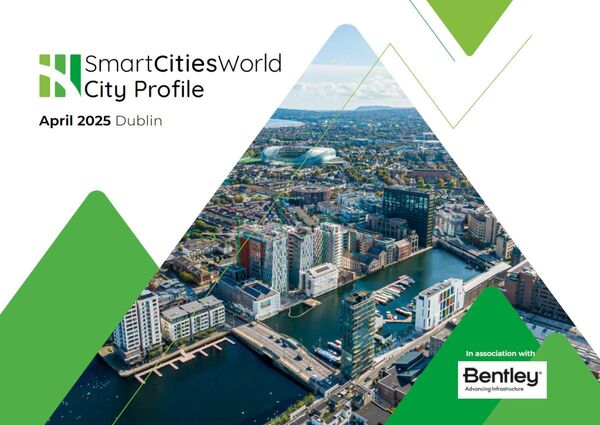
Latest City Profile
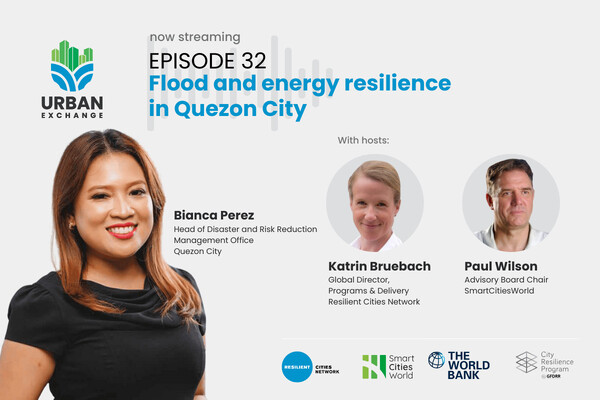
Latest Urban Exchange Podcast
Latest Special Report
SmartCitiesWorld Newsletters (Daily/Weekly)
You may also like these related articles...
BECOME A MEMBER
© 2026 SmartCitiesWorld
Smart Cities World Ltd, 37 Lombard Street, London, EC3V 9BQ