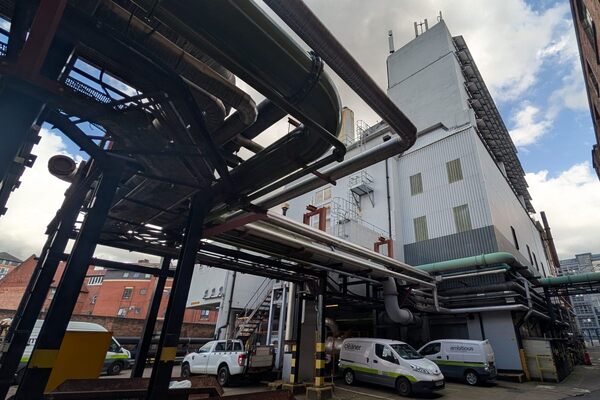





The network was ahead of its time when first launched in the 1970s, providing affordable, reliable, low-carbon heat and hot water to homes and businesses.
At a glance
Who: Nottingham City Council.
What: The council has confirmed plans to support the long-term growth and development of the city’s district heating network that has provided affordable, reliable, low-carbon heat and hot water to homes and businesses for more than 50 years.
Why: To build on the network’s strong foundations, supporting future growth while ensuring the system remains resilient, efficient and fit for the future.
When: The council has carried out detailed technical assessments over the past year and is now exploring how strategic partnerships and specialist expertise could support the continued development and expansion of the network in the years ahead.
Nottingham City Council has confirmed plans to support the long-term growth and development of the city’s district heating network.
The network was ahead of its time when first launched in the 1970s and has provided affordable, reliable, low-carbon heat and hot water to homes and businesses across Nottingham for more than 50 years.
The network currently supplies around 5,000 domestic and commercial customers with heat generated at the Eastcroft energy-from-waste facility.
By capturing energy that would otherwise be lost, the system has helped Nottingham significantly reduce the amount of waste sent to landfill while cutting carbon emissions, supporting the city’s drive to tackle climate change.
“Nottingham’s district heating network has been a real success story for more than five decades, turning waste into a valuable source of low-carbon heat and helping to reduce the amount of material sent to landfill”
Following detailed technical assessments over the past year, the council is now exploring how strategic partnerships and specialist expertise could support the continued development and expansion of the network in the years ahead.
Working collaboratively with experienced partners would help build on the network’s strong foundations, supporting future growth while ensuring the system remains resilient, efficient and fit for the future.
The Government aims for district heating networks to provide 20 per cent of total UK heat demand by 2050, a significant increase from the current ~3 per cent. Nottingham is getting ahead of the curve and is a big advantage in terms of infrastructure compared to other Core Cities.
Expanding the network also allows fixed infrastructure costs to be shared across a larger number of customers, which can help keep the cost of heat lower over time. Growth at this scale also presents wider social value opportunities, including local jobs, skills and training, helping to ensure the benefits of the network’s development are felt across Nottingham’s communities.
As Nottingham’s regeneration continues, major developments such as Broad Marsh can be linked to the network. The council said protecting continuity of service is central to its approach, and ensuring reliable heat for existing customers will remain a key priority as the network continues to evolve.
From January 2026, customers also benefit from new national protections as heat networks come under the regulation of Ofgem for the first time. Pricing must reflect the genuine cost of supplying heat, and networks will be subject to national oversight, helping ensure fair and transparent charging, although – as with any energy system – future prices will still depend on wider market conditions.
“While many cities are only now beginning to establish similar infrastructure, Nottingham benefits from an established system and decades of operational experience”
The council is now preparing to take the network into its next chapter, focused on building on five decades of success while unlocking opportunities for future growth across the city.
“Nottingham’s district heating network has been a real success story for more than five decades, turning waste into a valuable source of low-carbon heat and helping to reduce the amount of material sent to landfill,” said councillor Sam Lux, executive member for climate and energy.
She added: “As national ambitions for heat networks continue to grow, Nottingham remains in a strong position. While many cities are only now beginning to establish similar infrastructure, Nottingham benefits from an established system and decades of operational experience.
“This next step is about building on that legacy. By working with partners who bring specialist expertise, we can continue to maintain, grow and strengthen the network while protecting customers and ensuring it remains resilient, affordable and fit for the future.
“Expanding the network has the potential to bring lower energy bills to more people, supporting the council’s work to tackle fuel poverty. Residents and businesses can be reassured that safeguarding existing customers is at the heart of everything we’re doing.”
Why not try these links to see what our SmartCitiesWorld AI can tell you.
(Please note this is an experimental service)
How can strategic partnerships accelerate expansion of Nottingham's district heating network?What measures ensure heat network resilience and reliable service for existing customers?How will Ofgem regulation improve pricing transparency and customer protections locally?How can integrating energy-from-waste reduce Nottingham's landfill and carbon emissions?What local jobs and training opportunities could network expansion create across communities?