

Join us to explore how local governments are leveraging AI to improve services, boost local economies, and build public trust – while navigating the challenges of ethics and inclusion.
Join the latest SmartCitiesWorld Panel Debate to understand how to improve air quality in urban environments, and hear real-world case studies from leading cities. Watch Here
The first day of the online event confirmed that the smart cities sector is well aware of its destination but it’s how it gets there that will be the problem.
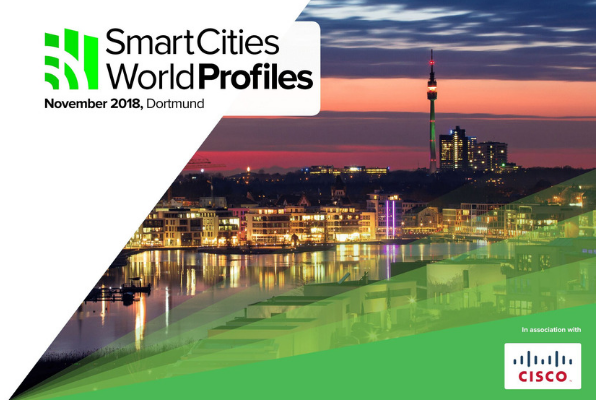
In this edition, we focus on Dortmund in western Germany. With around 600,000 inhabitants, Dortmund is the eighth-largest city in Germany and the gateway to the Rhine-Ruhr region in the heart of Europe.
SmartCitiesWorld’s senior editor Luke Antoniou on the launch of the new AI CityXchange, at a time where dialogue and knowledge sharing is critical between cities and their partners to use AI technology for public good.
The University of Liverpool’s Stephen Finnegan explores the pros and cons of carbon offsetting and outlines Liverpool’s bid to become the UK’s first ’climate positive’ city by the end of 2020.
Find out how Dublin is innovating to improve experiences and services for its communities in the latest SmartCitiesWorld City Profile, including digital twin projects, traffic reduction, and economic growth.
Download our latest report to uncover how artificial intelligence is being used to support cities in how they plan and operate city services to ensure they are vibrant, sustainable and economically thriving modern spaces.
Tune into the SmartCitiesWorld podcast to understand the world of sovereign AI for cities, featuring PNY Technologies’ Youssef Nadiri as our expert guest.
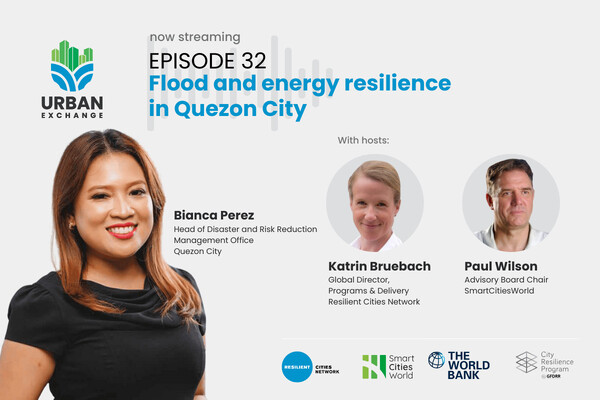
Tune in for the latest Urban Exchange where we get a first-hand account of city resilience measures from Quezon City following unexpected extreme rainfall.
Our editorial newsletter pulls together our latest news items into one email, direct to your inbox. We also feature our latest city interviews, Special Reports and Guest Opinions.
The standardised Local Authority Common Ask builds on previous cross-sector collaboration and enables local authorities to share granular spatial forecasts.
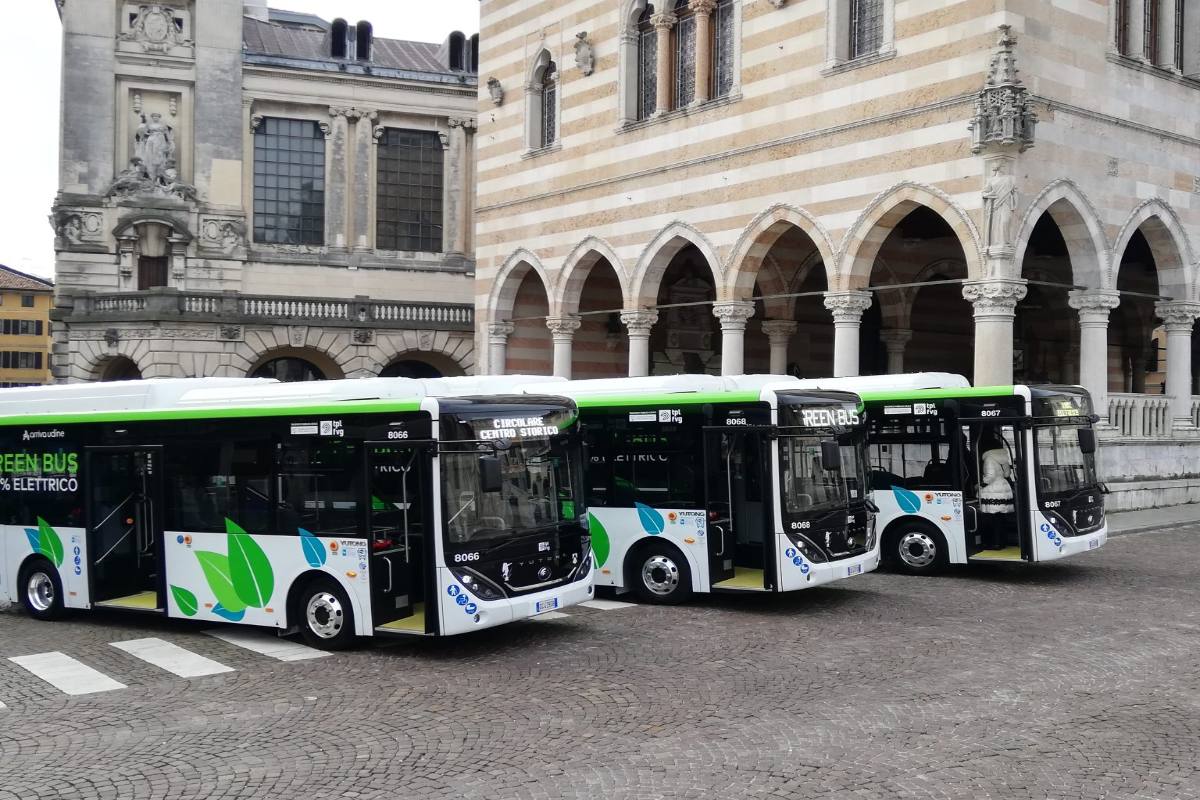
The EU sustainability project was led by Arriva and trialled new ways to capture, filter and reuse fresh water and rainwater at three bus depots in Europe.
For the first time, city leaders and residents in the Kenyan city will have access to hyper-local data about pollution levels in the places they live and work.
Actions across 11 areas include key priorities such as transport, green economy, heating, built environment, energy, waste, biodiversity and carbon removal.
Report looks at overall trends of UK councils’ climate action giving comprehensive oversight of where progress has been made and where action is still lacking.
One-stop-shop information portal is intended to provide transparency, empower and enable action by stakeholders to implement mitigation and adaptation measures.
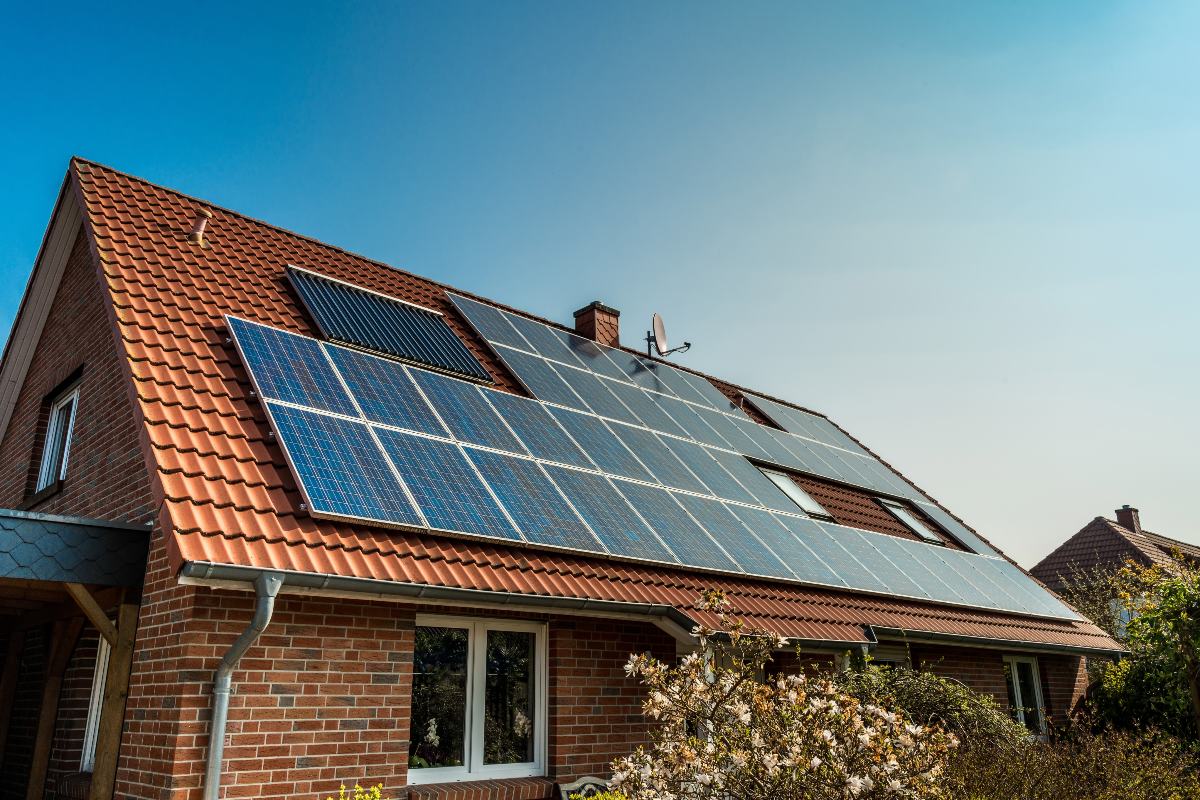
UK Power Networks and Open Climate Fix partner to use machine learning to estimate rooftop capacity not captured by the grid to better predict energy flows.
Climate Emergency UK calls on UK Government to make climate action a fully funded legal duty for all UK councils to remove the national barriers they face.
Latest report by non-profit CDP on climate and economic resilience demonstrates the growing commitment and ambition by UK councils to tackle the climate crisis.
Recognising the importance of sub-national governments, the CDP environmental disclosure platform also publicly scored states and regions for the first time.
A dedicated platform and series of workshop events focused on how AI is being applied across cities from experimentation to large-scale, embedded deployment.
Each sculpture features a 24/7 visual livestream from a Portal in the other city, allowing real-time interaction between Dubliners and New Yorkers and visitors.
Experts from cities and organisations around the world will come together in SmartCitiesWorld’s three-day hybrid event to tackle the climate challenge head-on.
Smart city is the framework based on Information and Communication technologies that enable the development of sustainable practices to address the urbanisation challenges. Leveraging the technology is one of the foremost pillars of ‘smart cities’ in order to increase efficiencies and improve the quality of resident’s life and the city’s services.
SmartCitiesWorld Newsletters (Daily/Weekly)
Our editorial newsletter pulls together our latest news items into one email, direct to your inbox. We also feature our latest city interviews, Special Reports and Guest Opinions.
Find out how Dublin is innovating to improve experiences and services for its communities in the latest SmartCitiesWorld City Profile, including digital twin projects, traffic reduction, and economic growth.
Download our latest report to uncover how artificial intelligence is being used to support cities in how they plan and operate city services to ensure they are vibrant, sustainable and economically thriving modern spaces.
Tune into the SmartCitiesWorld podcast to understand the world of sovereign AI for cities, featuring PNY Technologies’ Youssef Nadiri as our expert guest.
Tune in for the latest Urban Exchange where we get a first-hand account of city resilience measures from Quezon City following unexpected extreme rainfall.
Our editorial newsletter pulls together our latest news items into one email, direct to your inbox. We also feature our latest city interviews, Special Reports and Guest Opinions.
In this edition, we focus on Dortmund in western Germany. With around 600,000 inhabitants, Dortmund is the eighth-largest city in Germany and the gateway to the Rhine-Ruhr region in the heart of Europe.
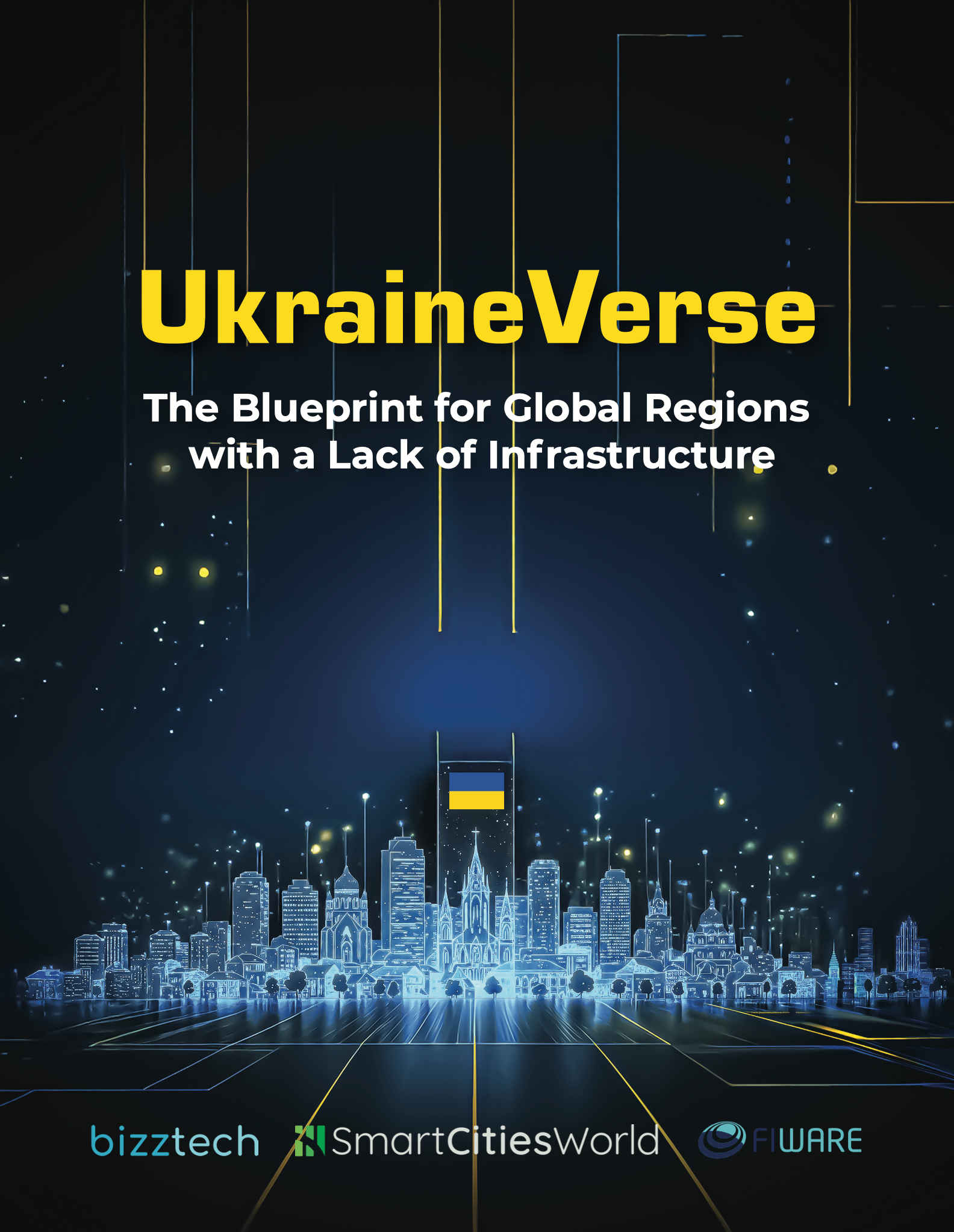
Discover how the UkraineVerse project is supporting reconstruction and redevelopment in Ukraine, and how the project acts as a blueprint for other underdeveloped and post-conflict regions.
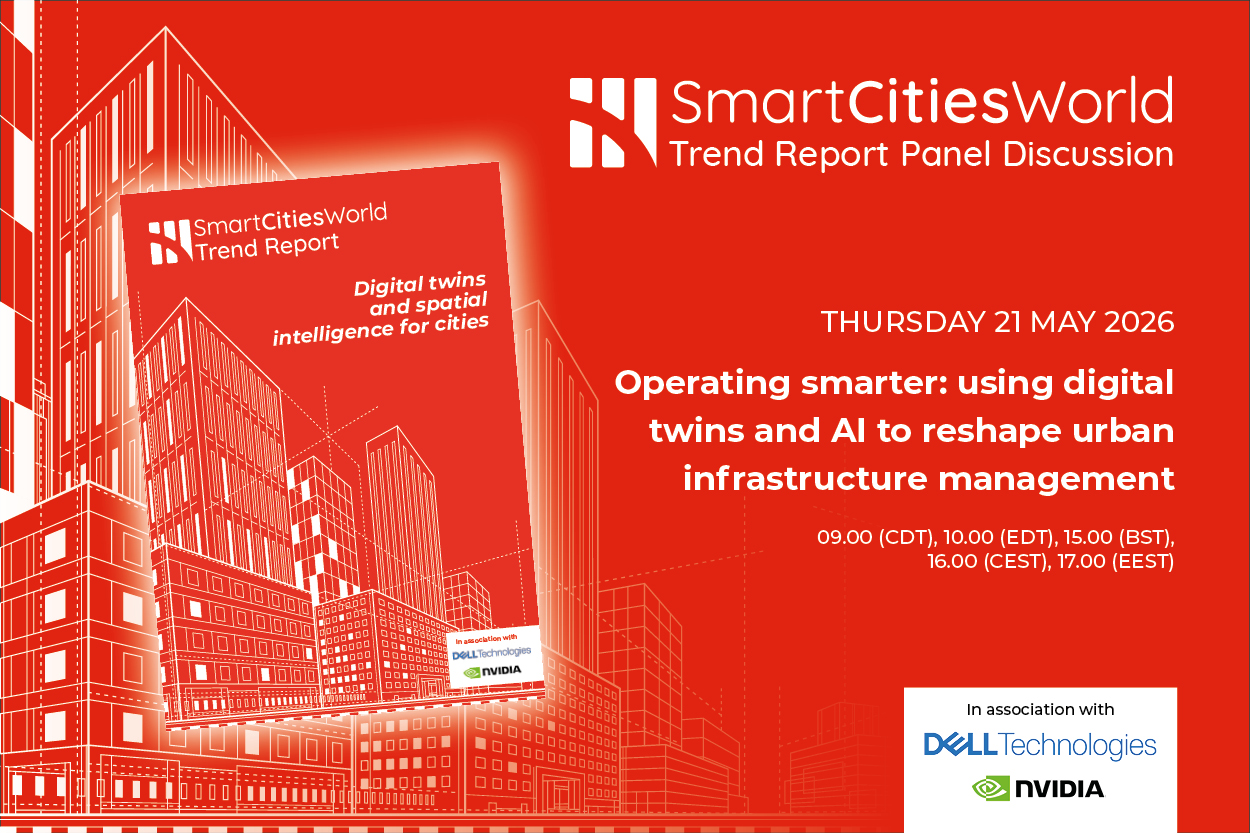
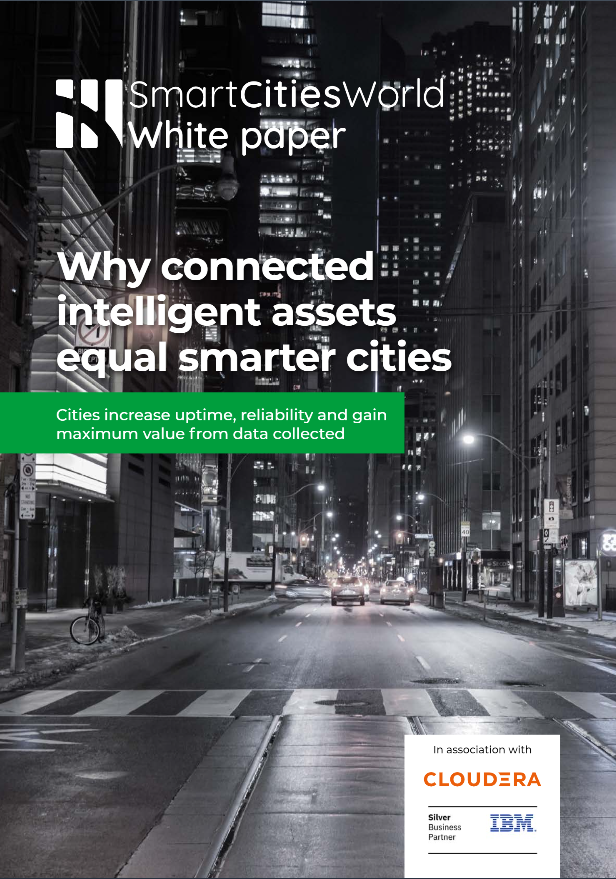
How cities can increase uptime, reliability and gain maximum value from data collected. This white paper covers moving from preventative to predictive maintenance of assets; the role of digital twin technology; the challenges of collecting and managing the data required to maximise the benefits of connected intelligent assets.
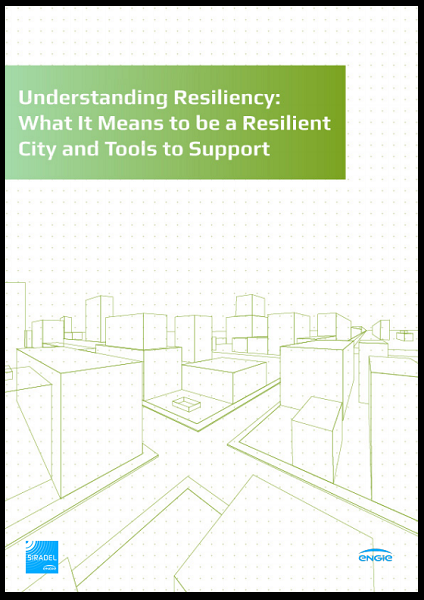
This whitepaper will provide a better understanding of the necessity for resiliency strategies, the challenges of implementing resiliency and digital tools to support cities and territories to build more resilient, sustainable and safe places to live.