







BUILD YOUR OWN
RESOURCE LIBRARY



Opinions

Transforming indoor public safety with smart sensor networksSponsored by Motorola Solutions

How AI will define cities and mobility in 2026Sponsored by ST Engineering
Coming together to manage uncertainty
Coronavirus presents all of us with the unprecedented and one advantage of our digital age is the ability to look further afield for advice.


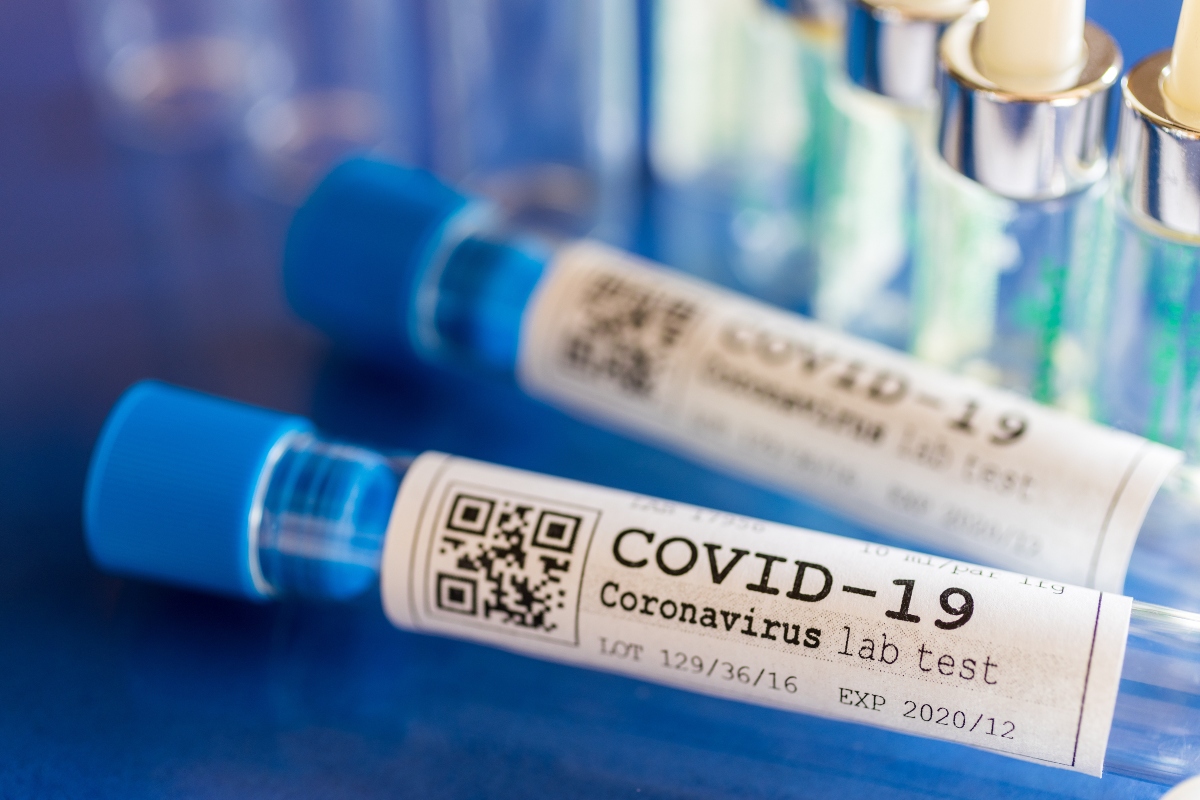
Uncertainty was on the agenda when I was fortunate to digitally sit down with Octavi de la Varga, secretary general of Metropolis, recently. The organisation’s Cities for Global Health Project is serving as an online bulletin board for cities to share what they are doing to assist their citizens amid the Covid-19 pandemic.
It’s a relatively straightforward project but one that is nonetheless effective. Coronavirus presents all of us with the unprecedented and one advantage of our digital age is the ability to look further afield for advice. De la Varga says one of his mantras is how people need to work with uncertainty and manage it. He is definitely on the pessimistic side of the spectrum (as am I); countries will be forced to deal with fresh waves of the virus until a vaccine is found. Their challenge will be how to balance an economy with protecting lives.
This is where the Metropolis project comes in by helping cities to deal with uncertainty by giving them the opportunity to learn from others. My interview includes the much-used phrase the global village, but I feel the current crisis shows where digital technology can be a boon. A digital bulletin board may sound simple but a crisis like coronavirus shows how we should take advantage of each other’s expertise.
What I’m reading
What’s wrong with WhatsApp (The Guardian)
The Boycott Got Facebook’s Attention, but a Real Fix Is Nowhere in Sight (Wall Street Journal)
Why not try these links to see what our SmartCitiesWorld AI can tell you.
(Please note this is an experimental service)
How can digital platforms enhance city collaboration during health crises?What strategies help cities balance economic activity and public health?How does sharing data improve urban responses to pandemics?In what ways can 5G connectivity support emergency health services?How can governance frameworks adapt to manage uncertainty effectively?Next: Prime Directives
 Previous: Tunnel vision
BuildingsCities for Global Health ProjectConnectivityCoronavirusDataEnergyFeaturedGovernancehealthMetropolisOctavi de la VargaTransport
Latest City Profile
SmartCitiesWorld Newsletters (Daily/Weekly)
You may also like these related articles...
BECOME A MEMBER
© 2026 SmartCitiesWorld
Smart Cities World Ltd, 37 Lombard Street, London, EC3V 9BQ