



London, Toronto and Vancouver are implementing strategies to make their built environment and critical infrastructure more sustainable and resilient.
Cities around the world are facing the urgent need to address climate change and its impacts on their communities and infrastructure. To achieve this, they are implementing various strategies and policies that aim to reduce greenhouse gas emissions, enhance resilience and promote sustainability.
This week, SmartCitiesWorld has reported on how three cities – London, Toronto and Vancouver – are making their built environment and critical infrastructure more sustainable for the long term.
London is aiming to be a carbon-neutral city by 2030, and one of the key actors in this goal is Transport for London (TfL). TfL has recently published its Green Infrastructure and Biodiversity Plan, which outlines how it will improve and care for the natural environment across its estate and networks. The plan covers topics such as green roofs, urban forests, wildlife habitats, air quality and flood risk management. TfL developed the plan in consultation with various stakeholders, including the city’s boroughs, and aligned it with its Corporate Environment Plan.
Large buildings are major consumers of energy and water, and also significant sources of greenhouse gas (GHG) emissions. To help building owners reduce their environmental impact and operating costs, the City of Toronto has introduced a new by-law that requires them to report their energy and water use annually. The by-law applies to buildings that are 4,645 square metres (50,000 square feet) or larger, which account for about 7,500 buildings in Toronto. The City will provide feedback and support to the owners, and also publish the data online to increase transparency and awareness.
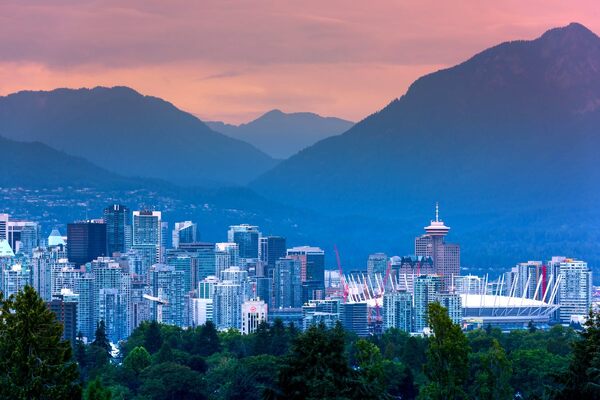
Vancouver is another facing the challenges of climate change, such as rising temperatures, extreme weather events, sea level rise and air quality due to wildfire smoke. To prepare for these impacts and protect the health and safety of its residents, the City has updated its Climate Change Adaptation Strategy for 2024-2025. The strategy includes actions such as expanding green spaces, creating more cooling spaces, improving indoor air quality, enhancing stormwater management and strengthening infrastructure resilience. The strategy also supports the local economy and social equity by creating jobs and engaging diverse communities.
These three cities demonstrate how urban areas can take proactive and innovative steps to adapt to climate change and foster sustainability. By improving their green infrastructure, energy and water efficiency, and resilience, they are not only reducing their environmental footprint, but also enhancing their liveability, competitiveness and social cohesion.
These are all themes that are set to be explored at this year’s Cities Climate Action Summit (26-27 June), organised and hosted by SmartCitiesWorld. In the further reading below, you can find out more about the Summit, including our latest round of speakers, why our partners have decided to get involved, and even how you can get involved yourself.
Why not try these links to see what our SmartCitiesWorld AI can tell you.
(Please note this is an experimental service)
How does Transport for London's Green Infrastructure Plan improve urban biodiversity?What methods does Toronto use to monitor energy and water usage in large buildings?Which climate adaptation strategies is Vancouver implementing to manage extreme weather?How do green roofs contribute to flood risk management in urban environments?What role does public data transparency play in Toronto's building sustainability efforts?