






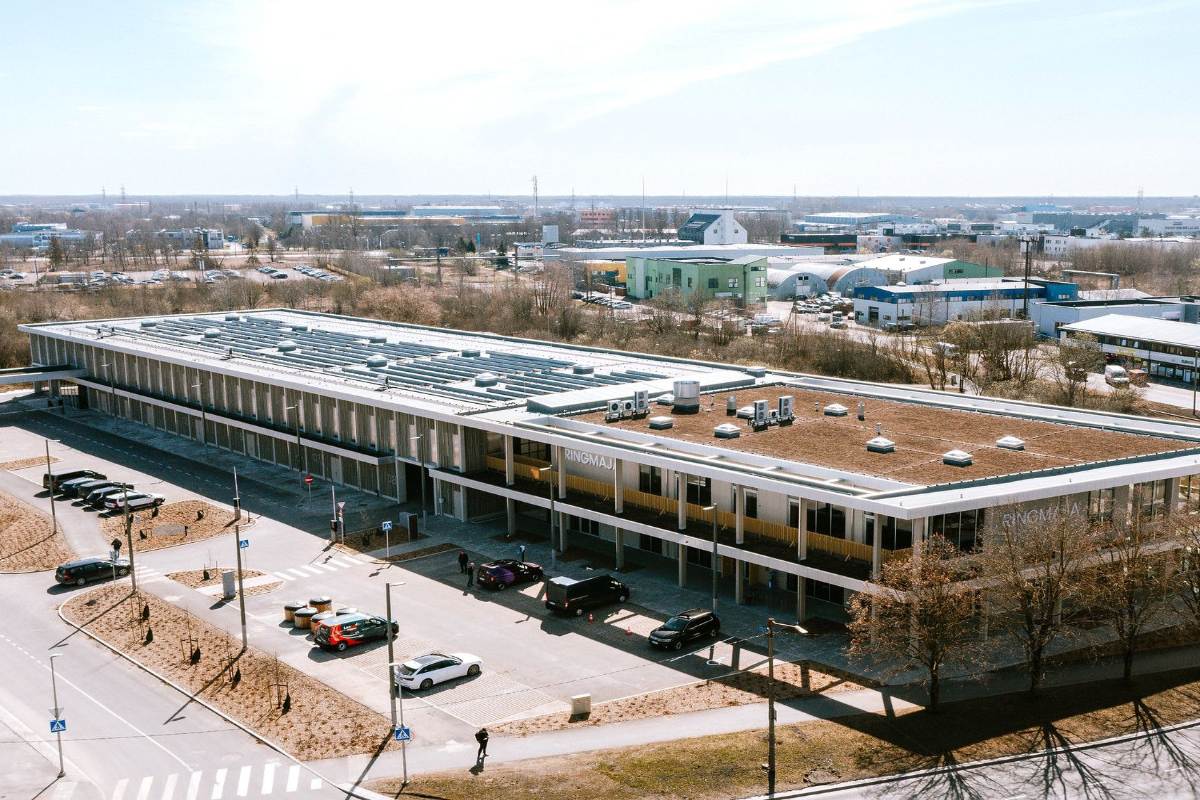
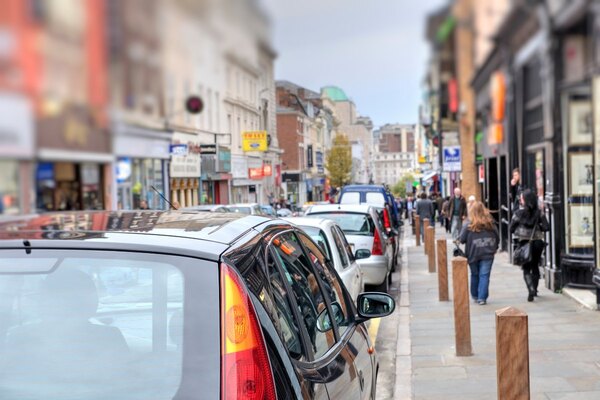
We highlight three stories that exemplify the ongoing transition to create sustainable and efficient transportation systems and urban mobility networks.
In recent years, urban centres worldwide have been grappling with the challenges posed by increased traffic congestion, environmental concerns, and limited space. As cities strive to create sustainable and efficient transportation systems, a notable trend has emerged: a pivot towards active and shared transport. Our newsletter this week highlights three stories that exemplify this ongoing transition, showcasing how cities are implementing innovative solutions to enhance, and expand, their urban mobility networks.
The first story centres on Brussels, which has partnered with mobility tech firm Vianova this week, to tackle the complexities of shared mobility. This collaboration aims to optimise and integrate various shared transportation options like e-scooters, bikes, and car-sharing services. By centralising and managing these services through a digital platform, the city hopes to improve accessibility and reduce congestion caused by an excess of shared mobility providers competing for street space. The move towards centrally managed shared mobility ensures better coordination between service providers, leading to more streamlined and efficient operations.
Our second story takes us to Brazil and the city of Cachoeirinha, where officials have taken a significant step towards offering flexible and convenient public transportation by launching a demand-responsive bus service, providing citizens with the ability to book buses based on their specific travel needs. The system works on a reservation basis, utilising mobile apps to let passengers schedule pick-ups and drop-offs at their desired locations. Cachoeirinha aims to address the issue of underutilised traditional bus routes, with the new service optimising route planning, reducing fuel consumption, and minimising emissions, making public transportation more attractive to citizens.
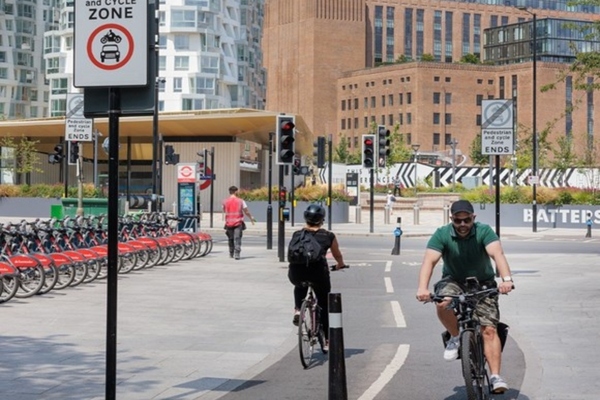
Finally, Transport for London has this week continued its efforts to create safe and efficient cycling routes throughout the city by introducing 10 new local traffic cycleways. The cycleways are dedicated lanes separated from vehicular traffic, encouraging more people to adopt cycling as a viable commuting option. The expansion of London’s cycling network is part of the city’s ongoing and comprehensive plan to transform London into a more cycle-friendly city, promoting a shift towards active transport.
By managing shared mobility services, introducing demand-responsive public transportation, and creating dedicated cycling lanes, these cities are making strides towards building a greener and more accessible urban environment. The shift towards active and shared transport not only benefits the environment but also improves the quality of life for citizens, making cities more vibrant, inclusive, and liveable.
For more on Urban Mobility, you’ll find it in our dedicated section. In the meantime, if you have a story you want to share with us, get in touch.
Luke Antoniou
Senior editor
SmartCitiesWorld
Why not try these links to see what our SmartCitiesWorld AI can tell you.
(Please note this is an experimental service)
How can centralised digital platforms improve shared mobility coordination?What benefits do demand-responsive bus services offer urban commuters?How do dedicated cycling lanes impact urban traffic congestion?In what ways does shared mobility reduce environmental emissions?How can cities ensure inclusivity in expanding urban mobility networks?