












 22 - 26 June 2026: Find out more






BUILD YOUR OWN
RESOURCE LIBRARY



Podcasts

Cities Thriving on Lighting, Episode 2 – Simplicity by design in smart lightingSponsored by Paradox Engineering
Cities Thriving on Lighting, Episode 1 – Lighting as the backbone of the smart citySponsored by Paradox Engineering
Birmingham boosts accessibility with personal navigation app
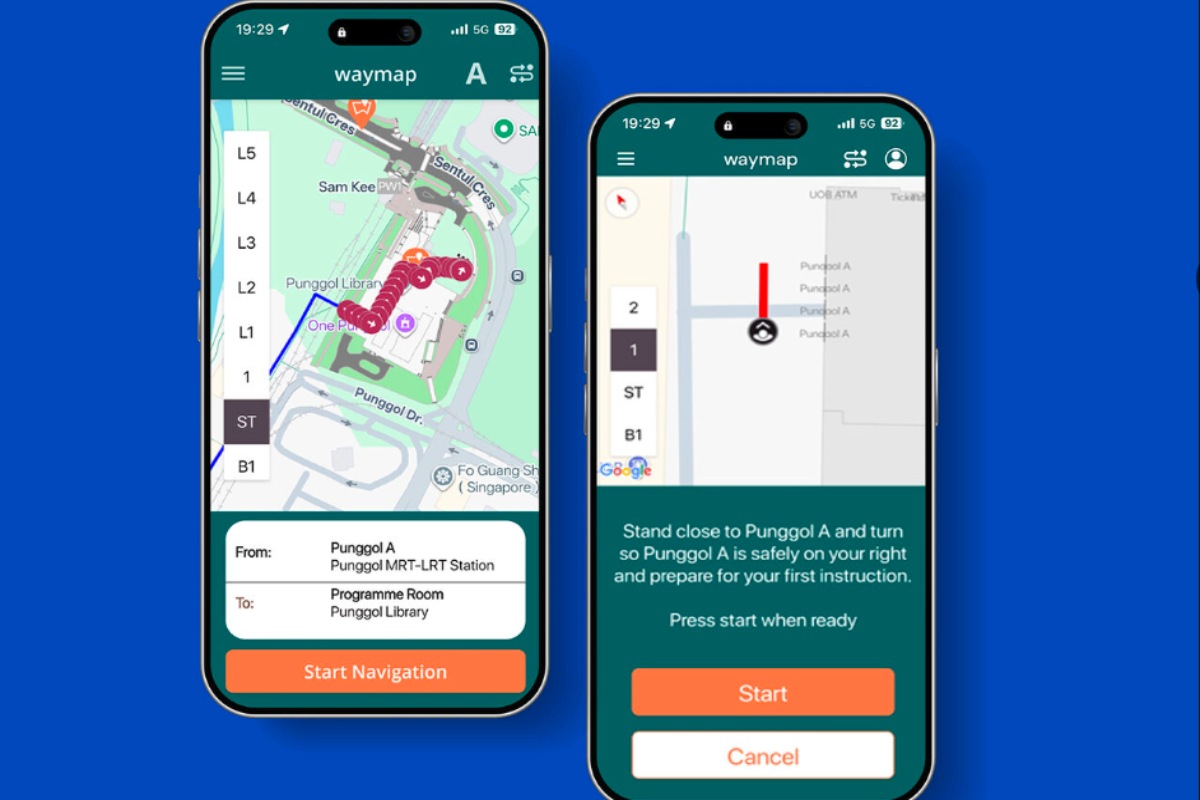
Waymap, which uses motions sensors and AI, allows visitors to experience audio and on-screen instructions across the entire Bullring and Grand Central estate.


 At a glance
Who: Hammerson; Waymap.
What: Urban real-estate owner, operator and developer, Hammerson, has partnered with Waymap, the personal navigation app, to boost accessibility in the heart of the UK city of Birmingham.
Why: To enable individuals to navigate easily between key locations. The app is ideal for those with reduced visibility or who need additional help with access to spaces.
When: Waymap is live across the Bullring and Grand Central estate, totalling more than 1.5 million square feet of space and featuring over 200 shops, restaurants and leisure activities.
Hammerson, owner, operator and developer of urban real estate in cities, has partnered with Waymap, the personal navigation app, to boost accessibility across its Bullring and Grand Central destinations in the heart of the UK city of Birmingham.
The app works indoors, outdoors and underground without the need for GPS, helping more users to find their way around large, often complex environments like shopping areas, stadiums, hospitals and transport hubs.
AI-powered algorithms and digital maps
Waymap is now live, allowing visitors to experience audio and on-screen instructions across the entire Bullring and Grand Central estate, totalling more than 1.5 million square feet of space and featuring over 200 shops, restaurants and leisure activities.
The app uses the motion sensors in a phone, artificial intelligence- (AI-) powered algorithms and digital maps, and doesn’t need any external equipment. It adapts to the individual user and Waymap claims gets better with every use.
“The indoor world is the next frontier of geospatial innovation, and we’re delighted to be working with technology-forward organisations like Hammerson”
It means customers can navigate easily between key locations, ideal for those with reduced visibility or who need additional help with access to spaces. Personalisation of the app means features such as stairs or lifts can be selected or avoided as users choose the best route options to suit their needs.
“We’re delighted to be helping all users find their way around the amazing shops and amenities at Birmingham’s Bullring and Grand Central,” said Celso Zuccollo, “Waymap’s CEO.
Read More
“While Waymap’s step-by-step audio and on-screen instructions are particularly helpful for blind users and disabled users, they can help anyone get to the exact shops and amenities they want to visit. The indoor world is the next frontier of geospatial innovation, and we’re delighted to be working with technology-forward organisations like Hammerson.”
Waymap is already present at Birmingham New Street – the UK’s busiest regional station – meaning visitors can benefit from accessible access from the moment they leave the train. With more than 47 million customer visits a year to Bullring and Grand Central, this latest investment is designed to further improve customer experience and broaden the range of those able to visit and enjoy one of the UK’s leading retail destinations.
It’s the latest boost to Bullring and Grand Central accessibility, with plans in place for further improvements. In 2026, new tactile braille maps will be installed for all customer-facing toilets, while new sensory maps and autism-friendly visual guides will be available to customers to help plan their visits.
Toby Tait, director asset management in UK at Hammerson, said: “At Hammerson, we want to ensure our destinations are as accessible as possible, for everyone. We’re collaborating with Waymap to provide a uniquely accessible route throughout our flagship destination at Bullring and Grand Central, with the additional benefit of connecting to the UK’s busiest regional train station. We are making our retail destinations easier to navigate and enjoy for all customers, with journeys tailored to those with a range of access requirements.”
Waymap is live in transport hubs, shopping malls, stadiums and universities in 11 cities including Washington DC, London, Los Angeles and Singapore.
Why not try these links to see what our SmartCitiesWorld AI can tell you.
(Please note this is an experimental service)
How does Waymap provide accurate indoor navigation without GPS signals?How does motion-sensor AI personalise routes for users with different needs?How can integration between Bullring, Grand Central and New Street improve accessibility?What metrics best evaluate improved visitor accessibility and experience?How will tactile braille and sensory maps complement Waymap's digital guidance?AI and Machine LearningAI CityXchange - Scaling AIBirminghamConnectivity & DataGovernance and CitizeninclusivityRecreational spaceretailersurban space
Latest City Profile
SmartCitiesWorld Newsletters (Daily/Weekly)
You may also like these related articles...
BECOME A MEMBER
© 2026 SmartCitiesWorld
Smart Cities World Ltd, 37 Lombard Street, London, EC3V 9BQ