







Analysis by EIT Urban Mobility and Cycling Industries Europe shows the health, environmental and economic benefits of schemes and explores drivers of growth.
A new study reveals that bike-sharing generates €305m in annual benefits across Europe and forecasts the figure could soar to €1bn by 2030 if the sector is given higher priority.
The study, commissioned by EIT Urban Mobility and Cycling Industries Europe (CIE), and conducted by EY, confirms bike-sharing’s role as a key element in sustainable urban mobility.
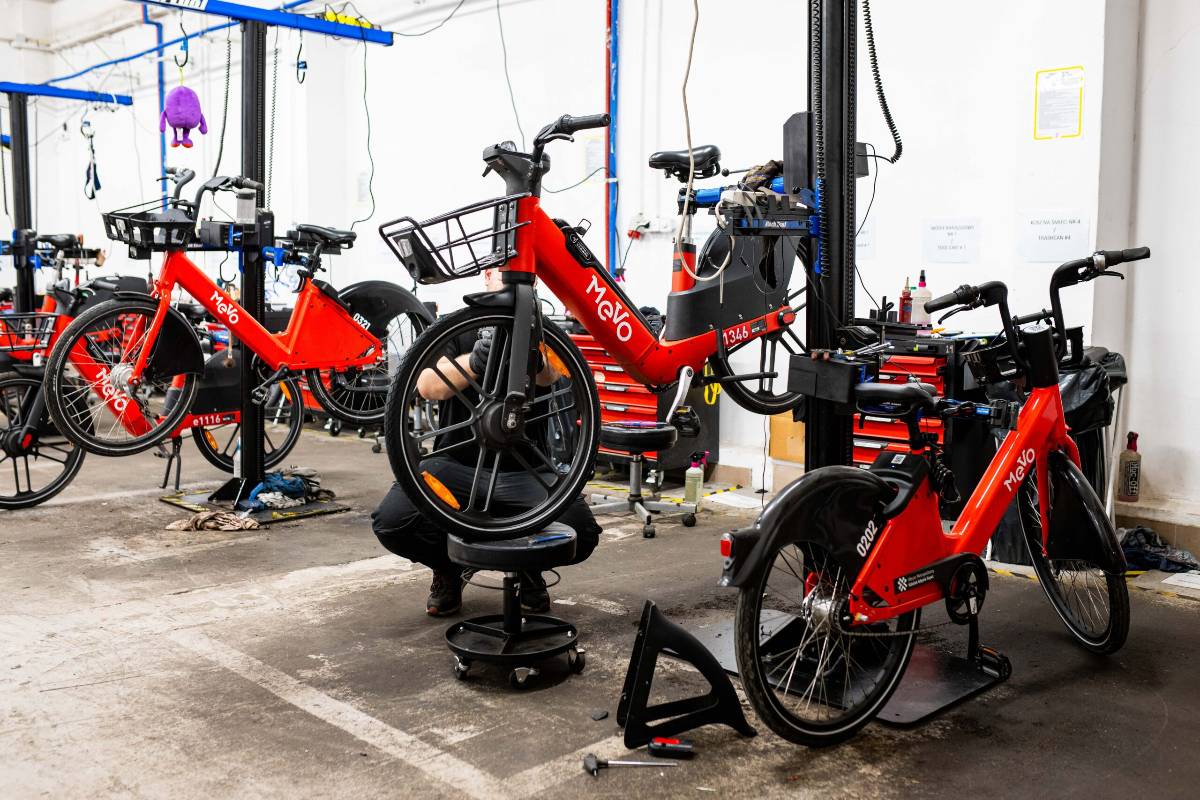
Bike-sharing is now present in some 150 European cities (EU-27, UK, Switzerland and Norway), from large metropolitan systems like Paris with 42,200 bikes to Brussels with more than 11,000 and smaller towns operating just a few dozen bicycles.
According to the analysis, London is Europe’s leading city for dockless bike ridership, with 28 million trips recorded in 2024. Together, these networks make up a fleet of 438,000 shared bikes, providing millions of trips each year and connecting people to work, education, and public transport.
The study shows that shared bikes contribute to significant environmental, health, and economic benefits. Each year, bike-sharing saves 46,000 tons of CO₂ emissions and 200 tons of harmful air pollutants. By replacing car trips with active mobility, it helps to prevent 1,000 chronic diseases, resulting in €40m in healthcare savings.
“This isn’t just about cycling; it’s about proving that investing in active mobility generates measurable economic returns for cities and citizens alike”
Congestion is also eased, with 760,000 hours of productivity saved – valued at €30m while 6,000 full-time equivalent jobs are supported across Europe. For users, bike-sharing offers a cost-effective mode of transport, reducing mobility expenses by up to 90 per cent compared with cars.
For cities, bike-sharing is also a strong investment case. For every euro spent today, there is a 10 per cent annual return, generating €1.10 in positive externalities. By 2030, benefits could rise to €1bn annually if investment and expansion continue. This would include 224,000 tons of CO₂ emissions avoided, more than 4,200 chronic diseases prevented, and nearly 13,000 jobs supported. Under these conditions, each euro invested could deliver a 75 per cent annual return on public spending.
“For the first time, we can put a financial value on the benefits of bike-sharing – and the results are transformational,” said Nick Brown, CEO of Velogik UK and project lead for the study.
“This isn’t just about cycling; it’s about proving that investing in active mobility generates measurable economic returns for cities and citizens alike. This study marks a ground-breaking moment for our industry and lays the foundation for wider recognition of cycling as one of the smartest investments a city can make.”
The study highlights four factors that could drive this growth: rising demand due to urbanisation and awareness; greater supply through regulatory support and wider coverage; fleet electrification in response to strong user interest; and territorial expansion to close existing service gaps. These opportunities depend on supportive conditions, including consistent policy and funding, more flexible and reliable systems built on data-driven planning, and stronger integration with public transport and cycling infrastructure.
Lauha Fried, policy director at Cycling Industries, said: ”We hope this study will reshape the way cities think of bike-sharing. Bike-sharing is no longer only a cost, but an investment that delivers clear returns – from reduced emissions and cleaner air to greater productivity and healthier citizens. Cities like Paris, with more than 75 million rides a month, prove how quickly bike sharing can go mainstream and transform how people move and how cities thrive.”
“This study shows that bike-sharing is far more than just another transport option – it delivers measurable returns for citizens, cities, and the environment”
Bernadette Bergsma, communications and EU affairs director at EIT Urban Mobility, added: “This study shows that bike-sharing is far more than just another transport option – it delivers measurable returns for citizens, cities, and the environment. The evidence is clear: every investment in bike-sharing strengthens public health, makes mobility systems more efficient, and boosts local economies.
“At EIT Urban Mobility, we are committed to helping cities unlock these benefits and put cycling at the heart of Europe’s future transport mix.”
The study can be downloaded here.
Why not try these links to see what our SmartCitiesWorld AI can tell you.
(Please note this is an experimental service)
How does bike-sharing reduce CO₂ emissions and air pollutants annually?What economic returns do cities gain from investing in bike-sharing?How can fleet electrification boost bike-sharing user engagement?Which policies best support the expansion of bike-sharing networks?How does bike-sharing integration improve public transport efficiency?