












BUILD YOUR OWN
RESOURCE LIBRARY



Podcasts

Cities Thriving on Lighting, Episode 2 – Simplicity by design in smart lightingSponsored by Paradox Engineering
Cities Thriving on Lighting, Episode 1 – Lighting as the backbone of the smart citySponsored by Paradox Engineering
10 UK cities bid to transform transport links
The funding aims to spread growth beyond London and empower local businesses to create more, better-paying jobs


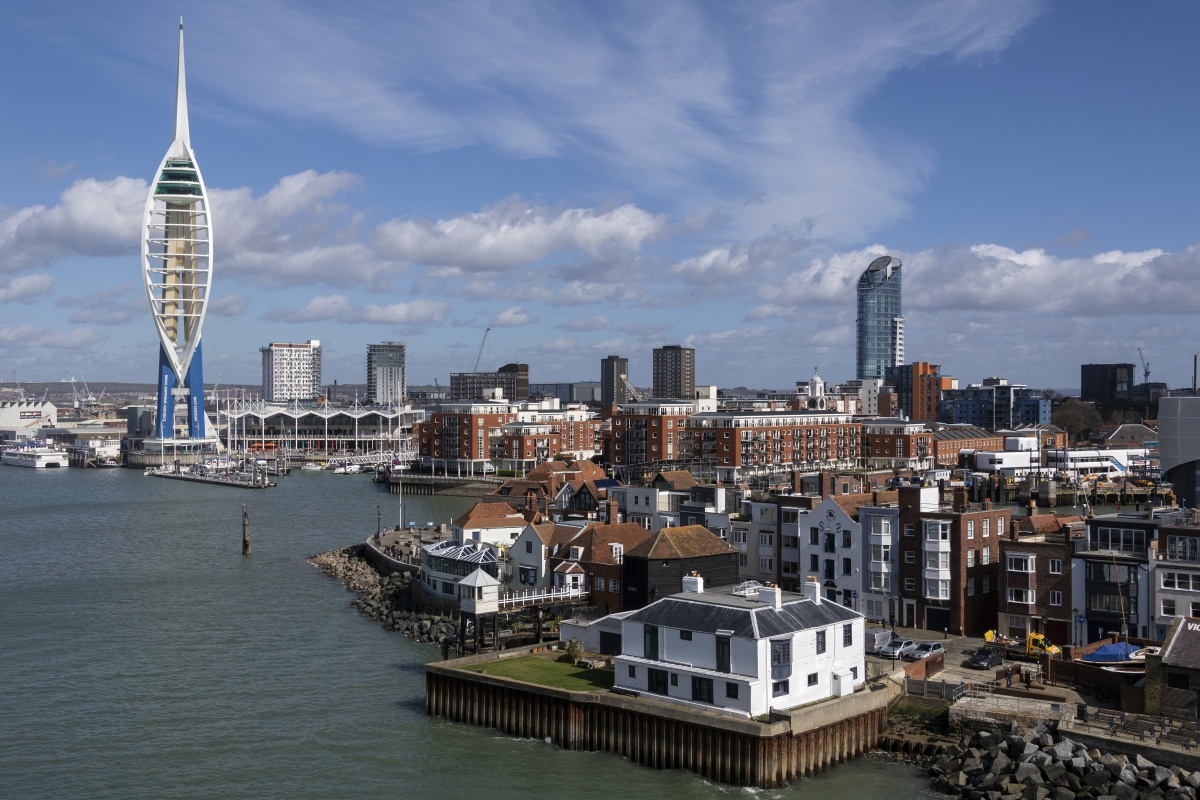
Portsmouth on the south coast of England is one of the shortlisted cities
Ten city regions in the UK have been shortlisted for major transport funding in the next stage of the government’s £1.7 billion Transforming Cities Fund.
Communities across the UK will benefit from £840 million to upgrade public transport links with local authorities in Derby and Nottingham, Leicester City, the North-East, Norwich, Plymouth, Portsmouth, Southampton, Sheffield, Stoke-on-Trent and West Yorkshire bidding for a share of the funding.
Helping people to get to work
The Transforming Cities Fund is part of the modern Industrial Strategy and aims to help cities make it easier, safer and quicker for people to travel and get to work by funding improved transport connections.
The fund is already delivering improvements for people across England with six mayoral combined authorities having received a share of £840 million to deliver schemes such as the Brierley Hill tram lines extension in the West Midlands and £160 million towards the Beeline Cycle Network in Greater Manchester.
Set to be the largest network of its kind in the UK, the proposal for 1,000 miles of interlinked bike and pedestrian lanes will connect communities across its 10 boroughs and help make cycling and walking a safer option for people living in the region.
Over the next four years, the new allocation of funding will be used to improve transport links in city regions, linking travel to work areas, increasing access to jobs and helping ensure that businesses have the infrastructure they need to thrive.
This funding could go towards upgrades such as new bus routes between residential areas and major employment hubs, smart technology aimed at reducing congestion, or rolling out docking stations for e-bikes.
“Our great cities and their suburbs are home to millions of people and world-beating businesses,” said Prime Minister Theresa May. “We want to help them succeed, so as part of our modern Industrial Strategy we will fund £840 million of upgrades for better, safer, faster transport links.
"These improvements to vital infrastructure will help spread growth beyond London and empower local businesses to create more, better-paying jobs – opening up more opportunities to help people get on in life and be rewarded for their hard work.”
“Our great cities and their suburbs are home to millions of people and world-beating businesses”
The 10 shortlisted city regions will each receive an initial £50,000 as well as bespoke support from government to co-develop the strongest cases for investment. Once finalised, funding decisions will consider the relative strength of each bid and their impact on improving connectivity, supporting employment and driving up productivity.
Transport Secretary Chris Grayling explained that while the city regions finalise proposals, £60 million from the Fund will be made available over the next year to share across transport schemes aimed at tackling head on some of the most pressing challenges faced by communities.
“The projects supported by the Transforming Cities Fund will also help progress the government’s mission to radically improve the ways in which people, goods and services move around the country through its Future of Mobility Grand Challenge,” he added.
If you like this, you might be interested in reading the following:
Public transport is limiting access to jobs in the North of England
Families in the North of England are finding themselves locked out of the jobs market by unaffordable and unreliable local transport, reveals new research
Budget seeks to put UK at the heart of the digital revolution
Driverless and electric vehicles and the world’s first national advisory body for AI were among the highlights of the UK Autumn Budget
Multi-city 5G testbed launched in the UK
The UK cities of Birmingham, Coventry and Wolverhampton in the West Midlands will become 5G hubs after winning national competition
Why not try these links to see what our SmartCitiesWorld AI can tell you.
(Please note this is an experimental service)
How will the Transforming Cities Fund improve public transport connectivity?What role do smart technologies play in reducing urban congestion?How can expanded cycling networks increase access to employment hubs?In what ways will transport upgrades support local business growth?How does the Fund align with the Future of Mobility Grand Challenge?Beeline Cycle NetworkBrierley HillDerbyFeaturedFuture of Mobility Grand ChallengeLeicesterNorth EastNorwichNottinghamPlanningPlymouthPortsPortsmouthpublic transportRailRoadSheffieldSouthamptonStoke-on-TrentTheresa MayTransforming Cities FundTransportWest Yorkshire
Latest City Profile
SmartCitiesWorld Newsletters (Daily/Weekly)
You may also like these related articles...
BECOME A MEMBER
© 2026 SmartCitiesWorld
Smart Cities World Ltd, 37 Lombard Street, London, EC3V 9BQ