



















BUILD YOUR OWN
RESOURCE LIBRARY



Podcasts

Cities Thriving on Lighting, Episode 2 – Simplicity by design in smart lightingSponsored by Paradox Engineering
Cities Thriving on Lighting, Episode 1 – Lighting as the backbone of the smart citySponsored by Paradox Engineering
Opinions

Transforming indoor public safety with smart sensor networksSponsored by Motorola Solutions
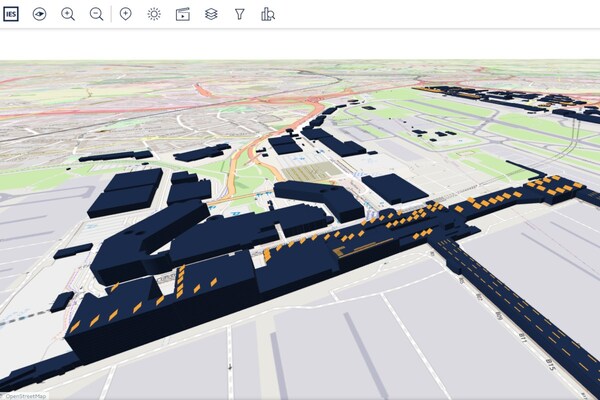
Amsterdam Airport takes steps to decarbonise ground ops
The airport is implementing a long-duration energy storage system to phase out polluting diesel ground power units that supply electrical power to aircraft.


Amsterdam Airport Schiphol is working with energy storage systems specialist ESS Technology to electrify its ground operations.
The project aims to reduce carbon emissions and air pollution, as well as provide a model for airports worldwide seeking to reduce the climate impacts of air transportation.
Phasing out diesel power units
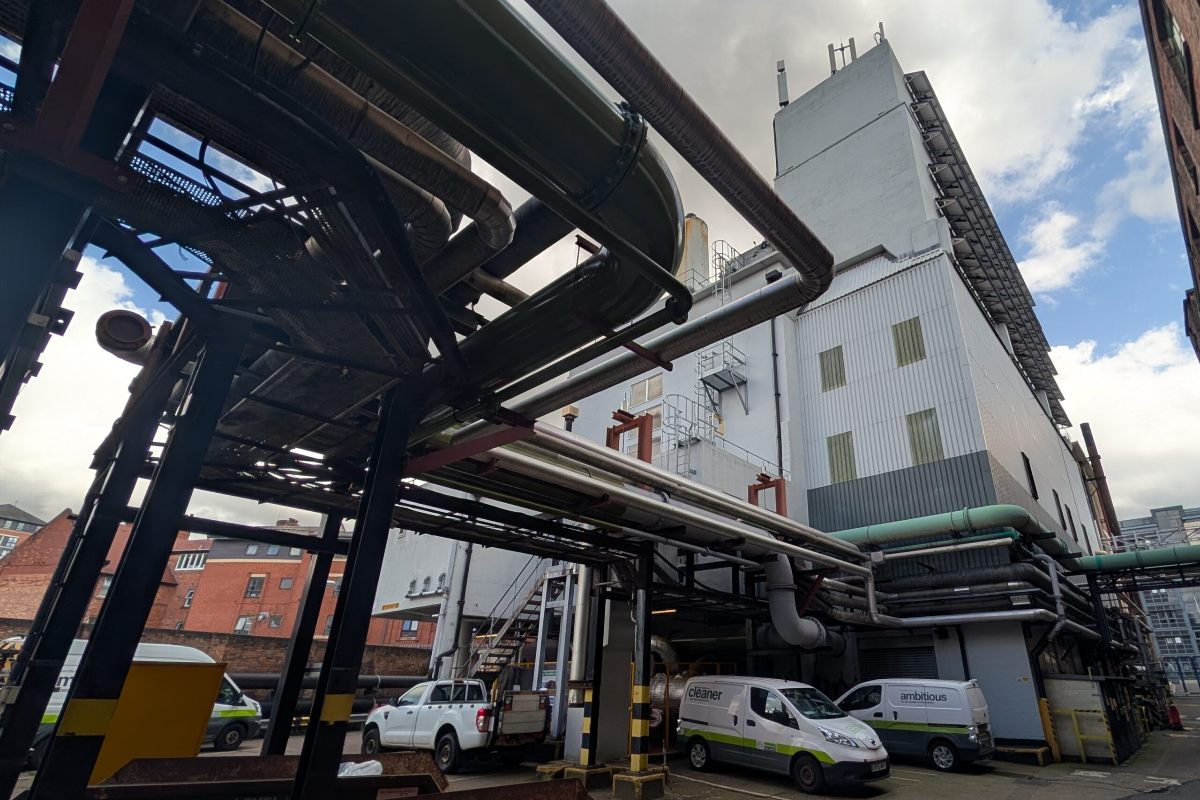
ESS Technology manufactures long-duration energy storage (LDES) systems for commercial and utility-scale applications. The ESS Energy Warehouse will enable Amsterdam Airport Schiphol to phase out polluting diesel ground power units that currently supply electrical power to aircraft while parked at airport gates. These will be replaced with electric ground power units (E-GPUs).
The project at Amsterdam Airport Schiphol will support the Royal Schiphol Group’s climate targets and is supported by the Tulips consortium. Tulips is an EU-funded consortium of airports across Europe seeking to accelerate the deployment of renewable energy within Europe’s aviation sector. Schiphol airport will be the proving ground for 17 demonstrator projects that result from the collaboration.
“As leaders of the Tulips consortium, we hope this project demonstrates how clean technology can be implemented in the aviation industry throughout Europe”
“Schiphol intends to be a zero-emission airport by 2030 across our buildings, assets and equipment,” said Oscar Maan, Royal Schiphol Group manager of innovation. “Cutting edge, clean technology such as ESS’ iron flow battery system enables us to decarbonise ground operations and is a vital step for us to progress towards this sustainable future. As leaders of the Tulips consortium, we hope this project demonstrates how clean technology can be implemented in the aviation industry throughout Europe.”
The project will demonstrate how LDES can enable the electrification of ground support equipment, such as the E-GPUs, while reducing the need to upgrade regional grid infrastructure. ESS’ iron flow technology claims to provide cost-effective LDES ideal for applications that require up to 12 hours of flexible energy capacity. ESS technology was selected due to its inherent fire safety, making it suitable for use in close proximity to passenger aircraft.
Read More
“Amsterdam Airport Schiphol has set an ambitious goal for decarbonisation and has provided great leadership in taking the necessary actions to make it real,” said Eric Dresselhuys, CEO of ESS.
“This project provides a blueprint for LDES to safely provide clean, reliable energy in airport operations and reduce fossil fuel dependence. This pioneering project will encourage other European airports to follow the Tulips’ lead and deploy technologies to achieve climate targets and accelerate air industry decarbonisation.”
As more renewable energy is added to the grid, ESS said LDES is essential to providing the reliability and resiliency needed when the sun is not shining and the wind is not blowing.
The ESS technology uses “earth-abundant” iron, salt and water to deliver environmentally safe solutions capable of providing up to 12 hours of flexible energy capacity for commercial and utility-scale energy storage applications. It aims to help project developers, independent power producers, utilities and other large energy users to deploy reliable, sustainable long-duration energy storage solutions.
Why not try these links to see what our SmartCitiesWorld AI can tell you.
(Please note this is an experimental service)
How does ESS Technology's iron flow battery improve airport energy storage?What are the environmental benefits of replacing diesel ground power units?How can long-duration energy storage reduce grid infrastructure upgrades?In what ways does the Tulips consortium support renewable energy adoption?What safety features make ESS' technology suitable near passenger aircraft?Latest City Profile
SmartCitiesWorld Newsletters (Daily/Weekly)
You may also like these related articles...
BECOME A MEMBER
© 2026 SmartCitiesWorld
Smart Cities World Ltd, 37 Lombard Street, London, EC3V 9BQ