








BUILD YOUR OWN
RESOURCE LIBRARY



Opinions
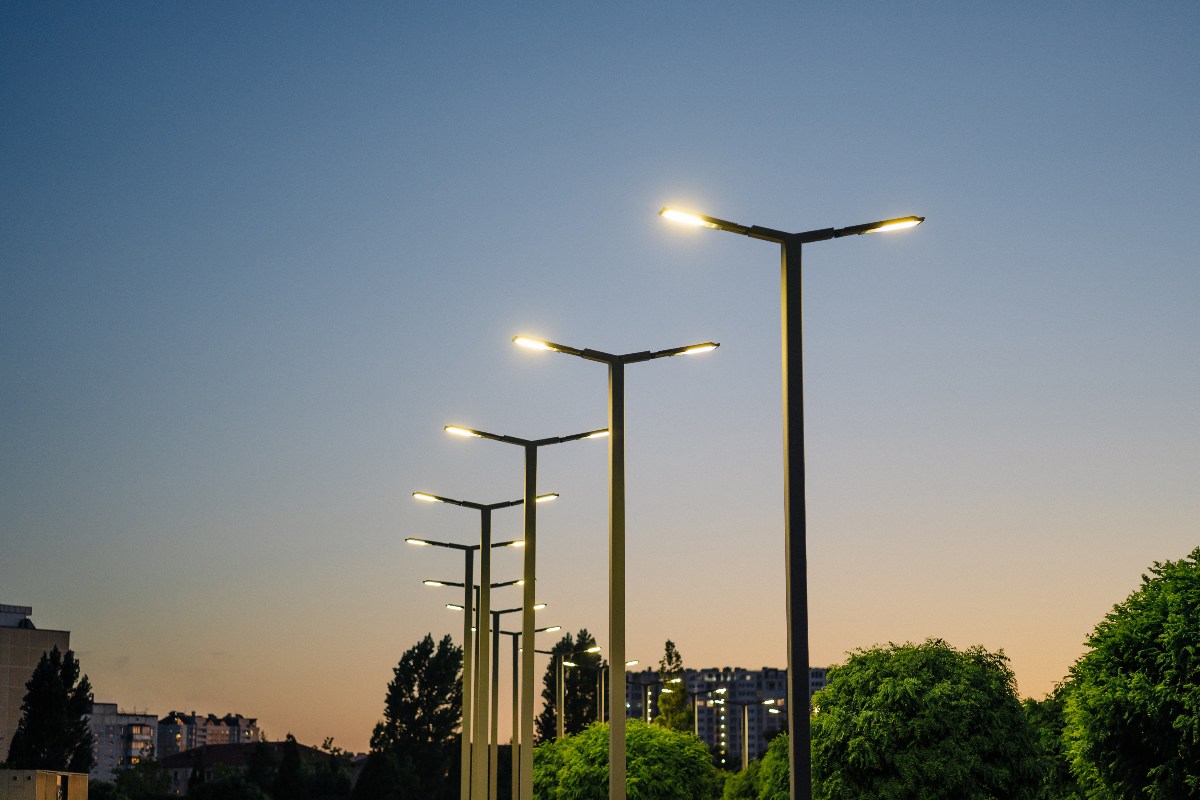
Smart lighting: enabling smart cities beyond illuminationSponsored by Paradox Engineering

How AI and biometrics are shaping next-generation mobility paymentsSponsored by ST Engineering
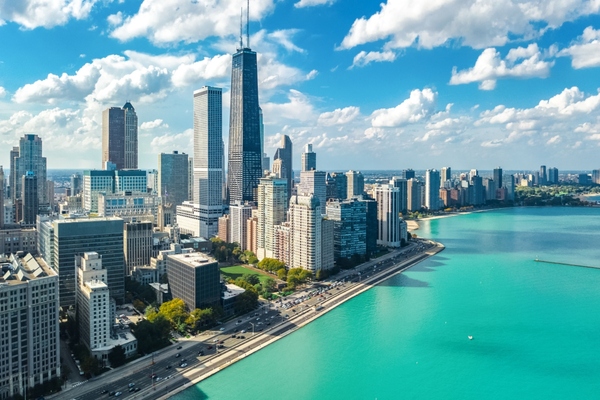
Chicago releases data-driven plan for citywide equity
“We Will” is a draft 10-year framework, which includes approximately 40 goals and 150 objectives, devised to tackle social inequities and build thriving communities.


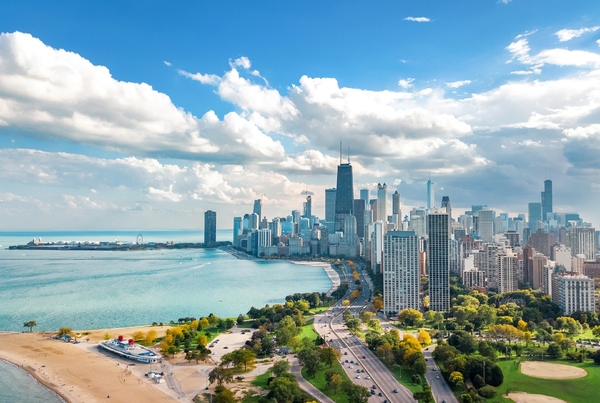
The City of Chicago has announced a new citywide plan to ‘reimagine’ and shape the future with a focus on equity and acknowledging the detrimental impact of previous policies.
“We Will” is a draft 10-year framework, which includes approximately 40 goals and 150 objectives, devised to tackle social inequities and build thriving communities.
The roadmap is Chicago’s first citywide plan in more than 50 years and is available for public comment and discussion until the autumn.
Community and data-driven
“We Will” is a people-centred, data-driven plan that empowers our residents to reflect on our shared past and reimagine our city’s future,” said Lori Lightfoot, mayor of Chicago.
“I am proud that this plan is the first of its kind in both our city and across the country. With residents’ input that we will gather in the months to come, this plan will be a roadmap for a city where all people, businesses, and communities can thrive.”
Anticipated to be finalised in early 2023, the framework is part of Chicago’s first formal citywide planning process since the mid-1960s. The framework is Chicago’s:
- First plan to acknowledge the impact of racist, discriminatory, and predatory policies of previous plans, policies, and private-sector practices that continue to exacerbate racial and social inequality
- First plan to be created with volunteers and community leaders, working side-by-side with city staff, who were selected through a citywide application process open to all residents
- First plan to provide financial stipends to community organisations to compensate their constituents’ participation in research team meetings
- First planning process that incorporated a third-party civic organisation to document all research team meetings and events for public transparency
- First plan to enable stakeholders to host their own community discussions on the plan and provide feedback through a “Meeting-in-a-Box” model. More than 65 resident meetings were hosted through this format in 2021
- First plan to inspire and coordinate public input through artist-led engagement activities in local neighbourhoods. Some 1,400 residents were reached through 80 virtual- and in-person events in 2021.
Read More
Under the direction of mayor Lightfoot, the $4m We Will planning process was initiated by the Chicago Department of Planning and Development (DPD) and the Metropolitan Planning Council in August 2020 with a series of stakeholder workshops and pre-planning sessions.
Participants emphasised Chicago’s need for a citywide plan led by residents that were excluded or harmed from previous planning efforts and outcomes.
“It provides a foundation for long-lasting improvements that can be implemented by government, corporations, philanthropies, individuals, and other community stakeholders to make Chicago a more equitable and resilient city for all”
“The draft framework directly speaks to our times and the opportunities and challenges we collectively face as a city of neighbourhoods,” said Maurice Cox, commissioner, DPD.
“It provides a foundation for long-lasting improvements that can be implemented by government, corporations, philanthropies, individuals, and other community stakeholders to make Chicago a more equitable and resilient city for all.”
Publication of the 146-page draft simultaneously caps two years of research and meetings with over 115 resident volunteers, 25 community-based organisations, and 103 city staff.
The City starts a four-month public engagement period (through 1 Nov 2022) that will enable Chicagoans in every neighbourhood to respond to this vision for a more equitable and resilient city.
We Will contents are arranged around eight pillars:
- Arts and culture which presents strategies to support equitable access and participation in the arts throughout Chicago’s 77 communities
- Civic and community engagement which addresses opportunities for more robust and effective civic participation, trust-building, and improved service delivery for residents
- Economic development which seeks to foster sustainable generational wealth for Black, Latino, and other households harmed by systemic inequities
- Environment, climate and energy which advances the city’s climate resiliency efforts and prioritizes strategies for Chicago’s most vulnerable residents
- Housing and neighbourhoods which aims to ensure that every Chicago neighbourhood is safe, inclusive, and vibrant with access to healthy, affordable, and accessible housing and amenities
- Lifelong learning which seeks to facilitate Chicagoans’ access to learning opportunities regardless of age, race, citizenship, and language proficiencies
- Public health and safety which aims to prioritise public health and wellness for all residents and improve trauma-informed responses to inequities in health and safety
- Transportation and infrastructure which sets goals to create access and connections through safe and reliable physical infrastructure and transportation networks.
Public feedback to the draft framework will be incorporated by planning staff in late 2022, and an updated We Will document will be presented to the Chicago Plan Commission in early 2023.
“With residents’ input that we will gather in the months to come, this plan will be a roadmap for a city where all people, businesses, and communities can thrive”
The adoption of We Will by the commission would lead to multiple implementation measures by the City that include new legislation, policies, executive orders, and other action items.
If adopted, the City would establish an administrative structure to facilitate accountability and transparency between departments and sister agencies to the public, and the budgets and scopes of existing City programmes would undergo equity analyses for their alignment with the framework’s goals and objectives.
The commission’s formal review and approval of large construction projects would also consider the projects’ potential to advance the framework’s equity and resiliency goals.
Why not try these links to see what our SmartCitiesWorld AI can tell you.
(Please note this is an experimental service)
How does the We Will plan address historical social inequities in Chicago?What mechanisms ensure community participation in the We Will planning process?How will the plan's equity goals influence future city infrastructure projects?In what ways does the framework promote economic development for marginalized groups?How is data used to measure progress toward the plan’s eight pillars?Chicagocitizen engagementConnectivity & DataDatadigital inclusionEconomy and financeEnergy & EnvironmentGovernance and CitizenHealth & Social CareinclusivitymobilityPeople and SkillsPlanningPolicy Makingregulationresilienceurban space
Latest City Profile
SmartCitiesWorld Newsletters (Daily/Weekly)
You may also like these related articles...
BECOME A MEMBER
© 2026 SmartCitiesWorld
Smart Cities World Ltd, 27 Clements Lane, London, EC4N 7AE