











BUILD YOUR OWN
RESOURCE LIBRARY



Podcasts

Cities Thriving on Lighting, Episode 2 – Simplicity by design in smart lightingSponsored by Paradox Engineering
Cities Thriving on Lighting, Episode 1 – Lighting as the backbone of the smart citySponsored by Paradox Engineering
Opinions

Transforming indoor public safety with smart sensor networksSponsored by Motorola Solutions
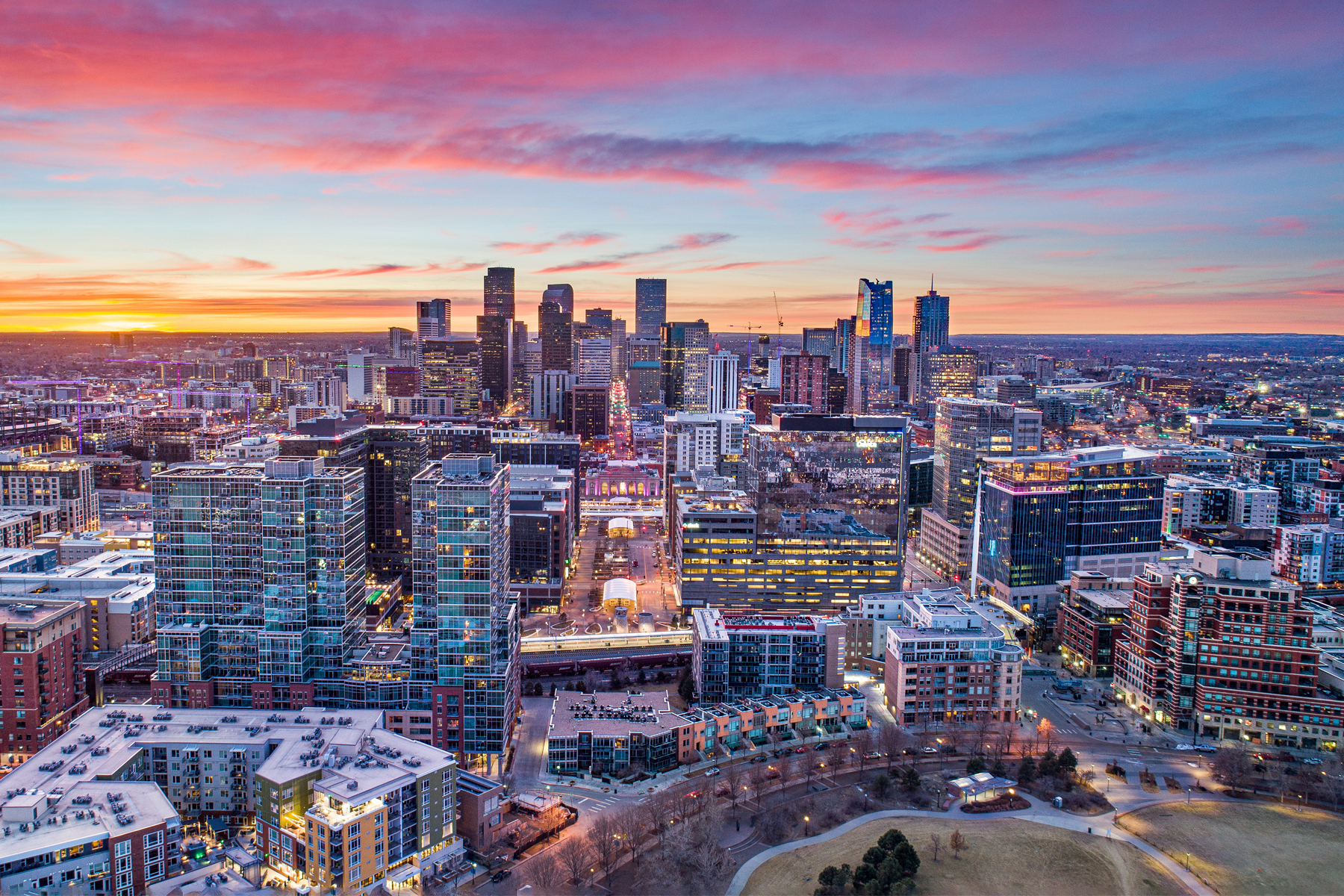
Denver builds resilience with ‘ColoradoScaping’
It is converting turf around Denver City and County Building to a diverse landscape of primarily native grasses and wildflowers which will conserve water.


 At a glance
Who: Denver Water and Denver Parks & Recreation (DPR).
What: Denver has launched a transformation to a more sustainable and resilient future at the Denver City and County Building by converting bluegrass turf around the building to a landscape consisting primarily of native grasses and wildflowers – what is referred to as ‘ColoradoScaping’.
Why: The transformation uses less water, is easier to maintain and supports local climate action goals.
Where: The landscape transformation is expected to be completed by end of 2026, with full plant establishment expected to take three years.
Denver mayor Mike Johnston and councilman Chris Hinds have joined with Denver Water and Denver Parks & Recreation (DPR) to launch a transformation to a more sustainable and resilient future at the Denver City and County Building.
The project will convert the existing non-functional bluegrass turf around the building to a diverse landscape consisting primarily of native grasses and wildflowers – or what is referred to as ‘ColoradoScaping’.
Conserving water
The project will replace the existing irrigation with a more efficient system to support the establishment of the native landscape while conserving water.
“The landscape of the City and County Building should demonstrate the city’s commitment to building a more resilient city while showing Denverites what’s possible in their own backyards,” said Johnston. “This change uses less water, is easier to maintain, and supports our goal of being one of the most climate-friendly cities in the country.”
“This project shows what climate leadership looks like at the local level: practical, visible changes that conserve water, restore habitat, and make our city more resilient”
Landscape transformation is the process of replacing water-thirsty bluegrass with a mix of native and climate-adapted plants. These plants require significantly less water and maintenance, reducing irrigation needs by up to 70 per cent while enhancing habitat for birds and pollinators. This shift supports Denver’s long-term climate adaptation goals and helps build a more resilient urban ecosystem.
“This project shows what climate leadership looks like at the local level: practical, visible changes that conserve water, restore habitat, and make our city more resilient,” said Hinds. “By replacing high-water turf with native landscaping, we’re not only reducing our environmental footprint, we’re also creating healthier public spaces that reflect Denver’s future.”
Read More
Through the Game Plan for a Healthy City, DPR is investing in the city’s fight against climate change through various projects to conserve water, transform landscapes, grow the urban canopy and protect habitats to instill the spirit of environmental stewardship in Denverites of all ages.
“Whether you call it ColoradoScaping, nature‑scaping, or simply returning to what’s natural, this transformation is exactly what DPR has been doing across Denver for years”, said DPR executive director Jolon Clark. “With the City and County Building project front and centre, we hope this living demonstration will inspire all Denverites to embrace native landscaping – because reducing water use and protecting our local ecosystem is in Denver’s nature”.
“There’s no better way to save water while enhancing outdoor spaces than by replacing thirsty bluegrass turf with drought‑tolerant, resilient ColoradoScapes”
The new irrigation system will be connected to the system in Civic Centre Park, contributing to operational efficiencies both for the City and County Building and for DPR operations. Combined, the new irrigation system and climate adapted plantings will result in a minimum of 25 per cent reduction of irrigation use – an estimated 1.2 million gallons of potable water saved per year.
“Denver Water recently declared a Stage 1 drought across our service area, and landscape transformation projects like this can really help ease strain on our water supplies,” said Alan Salazar, Denver Water CEO/manager.
“There’s no better way to save water while enhancing outdoor spaces than by replacing thirsty bluegrass turf with drought‑tolerant, resilient ColoradoScapes. We’re proud to partner with the city on this work and we will continue to support high‑visibility projects like this that aim to use less water while making our community even more vibrant and beautiful.”
Funded in partnership with Denver Water, the efforts support the broader work to build a more sustainable and resilient park system.
The landscape transformation is expected to be completed by the end of the year 2026, with full plant establishment expected to take three years. Education and engagement on the project will continue through project completion.
For more information, visit DenverGov.org/Nature.
Why not try these links to see what our SmartCitiesWorld AI can tell you.
(Please note this is an experimental service)
How much potable water will the project save annually?What irrigation technologies ensure efficient establishment of native plantings?Which native species maximize habitat benefits for pollinators and birds?How will maintenance requirements differ compared to existing bluegrass turf?What monitoring metrics will measure resilience and climate adaptation outcomes?climate actionClimate change/ResilienceDenverEnergy & EnvironmentGovernance and Citizenresiliencewater
Latest City Profile
SmartCitiesWorld Newsletters (Daily/Weekly)
You may also like these related articles...
BECOME A MEMBER
© 2026 SmartCitiesWorld
Smart Cities World Ltd, 37 Lombard Street, London, EC3V 9BQ