














BUILD YOUR OWN
RESOURCE LIBRARY



Podcasts

Cities Thriving on Lighting, Episode 2 – Simplicity by design in smart lightingSponsored by Paradox Engineering
Cities Thriving on Lighting, Episode 1 – Lighting as the backbone of the smart citySponsored by Paradox Engineering
Opinions

Transforming indoor public safety with smart sensor networksSponsored by Motorola Solutions
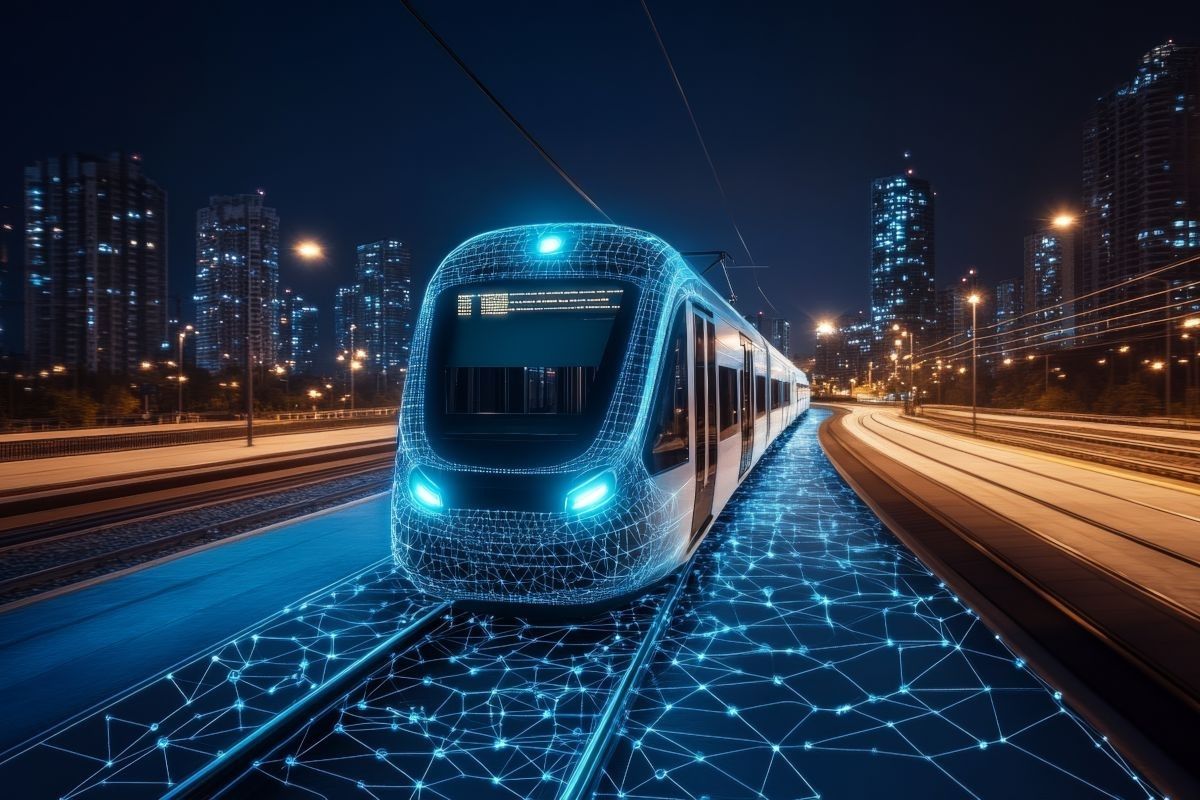
Nokia unveils next-gen digital railway operations solution
The new system features the industry’s first commercial 5G radio for the 1900 MHz band, and a core platform designed to boost automation, safety, and cross border connectivity.


Nokia has launched a 5G-based communication system for the rail sector, positioning it as a foundation for the Future Railway Mobile Communication System (FRMCS).
The technology is designed to support smarter and more efficient networks by enabling real-time, mission-critical connectivity that underpins the next phase of rail digitation.
The solution features the first commercial 5G radio for the 1900 MHz band and Nokia Core Enterprise Solution for Railways. Together, these technologies will allow operators to move beyond the legacy GSM-R network and accelerate digital transformation across their operations.
The system is built for mission-critical communications and supports co-existence with GSM-R, ensuring operators can migrate to 5G without disruption. Its cloud native 5G standalone core provides a full suite of FRMCS functionalities, while a modular design enables both regional and nationwide deployment. The system will also be tested under the EU-funded FP2-MORANE-2 project which, advances FRMCS adoption across Europe.
Read More
According to Nokia, 5G will bring significant benefits to modern rail networks, including:
- Automated train operations – improving safety, efficiency, and reducing emissions
- Passenger information systems – delivering real time updates and an improved travel experience
- Mission critical voice communication – integrating voice, video and data on one platform
- Smart rail maintenance – enabling predictive monitoring to cut downtime and costs.
Tommi Uitto, President of Mobile Networks at Nokia said: “The drive toward digitalisation demands the kind of high-speed connectivity and data capabilities that legacy systems simply can’t provide, creating an urgent need for rail operators worldwide to modernise. Our commercial 5G solution, backed by decades of proven rail industry expertise, reflects our commitment to laying the foundation for the next generation of railway operations. We offer a future-proof, flexible technology platform that supports a smooth transition to FRMCS while improving operational efficiency, safety and the overall passenger experience.”
With GSM-R deployment in more than 20 countries, Nokia has long been a leader in rail communications. It has worked with operators, governments, and standards bodies to shape FRMCS, and says its new solution is backed by a portfolio of IP, optical and data centre networking products.
Why not try these links to see what our SmartCitiesWorld AI can tell you.
(Please note this is an experimental service)
How does Nokia's 5G system improve automated train operations safety?What benefits does 5G bring to passenger information systems in railways?How does the new 5G solution ensure smooth migration from GSM-R networks?In what ways does predictive monitoring reduce rail maintenance downtime?How does Nokia's 5G core platform support cross-border railway connectivity?Latest City Profile
SmartCitiesWorld Newsletters (Daily/Weekly)
You may also like these related articles...
BECOME A MEMBER
© 2026 SmartCitiesWorld
Smart Cities World Ltd, 37 Lombard Street, London, EC3V 9BQ