









BUILD YOUR OWN
RESOURCE LIBRARY



Podcasts
Cities Thriving on Lighting, Episode 2 – Simplicity by design in smart lightingSponsored by Paradox Engineering
Cities Thriving on Lighting, Episode 1 – Lighting as the backbone of the smart citySponsored by Paradox Engineering
Opinions

Transforming indoor public safety with smart sensor networksSponsored by Motorola Solutions
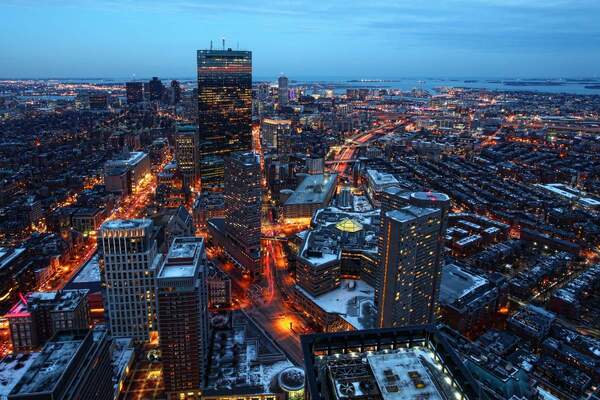
Boston explores clean thermal energy from its waters
The City and the Mass Clean Energy Centre have announced $500,000 in funding to explore the feasibility of using clean thermal energy from Boston-area water.


 At a glance
Who: City of Boston; the Mass Clean Energy Centre; Boston Green Ribbon Commission (GRC).
What: The City and the Mass Clean Energy Centre have announced $500,000 in funding for the GRC to lead a project exploring the feasibility of using clean thermal energy from Boston-area water to deliver large-scale heating and cooling.
Why: To make energy more affordable and reliable for the people and businesses of Massachusetts as well as build resilience.
When: The project will explore how to capture thermal energy from the Charles and Mystic Rivers, Boston Harbour, the Fort Point Channel, and the bedrock beneath the rivers.
City of Boston and the Mass Clean Energy Centre have announced $500,000 in funding for the Boston Green Ribbon Commission (GRC) to lead a project exploring the technical, economic, and regulatory feasibility of using clean thermal energy from Boston-area water to deliver large-scale heating and cooling.
The year-long Boston Thermal Energy Network (BosTEN) project aims to demonstrate that thermal energy networks (TENS) can deliver long-term cost savings, reduce pollution, and mitigate peaks on gas and electric systems as Massachusetts continues to transition to a clean energy economy.
Capturing thermal energy
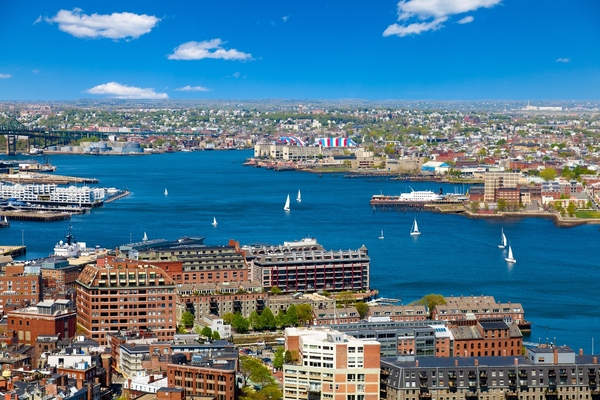
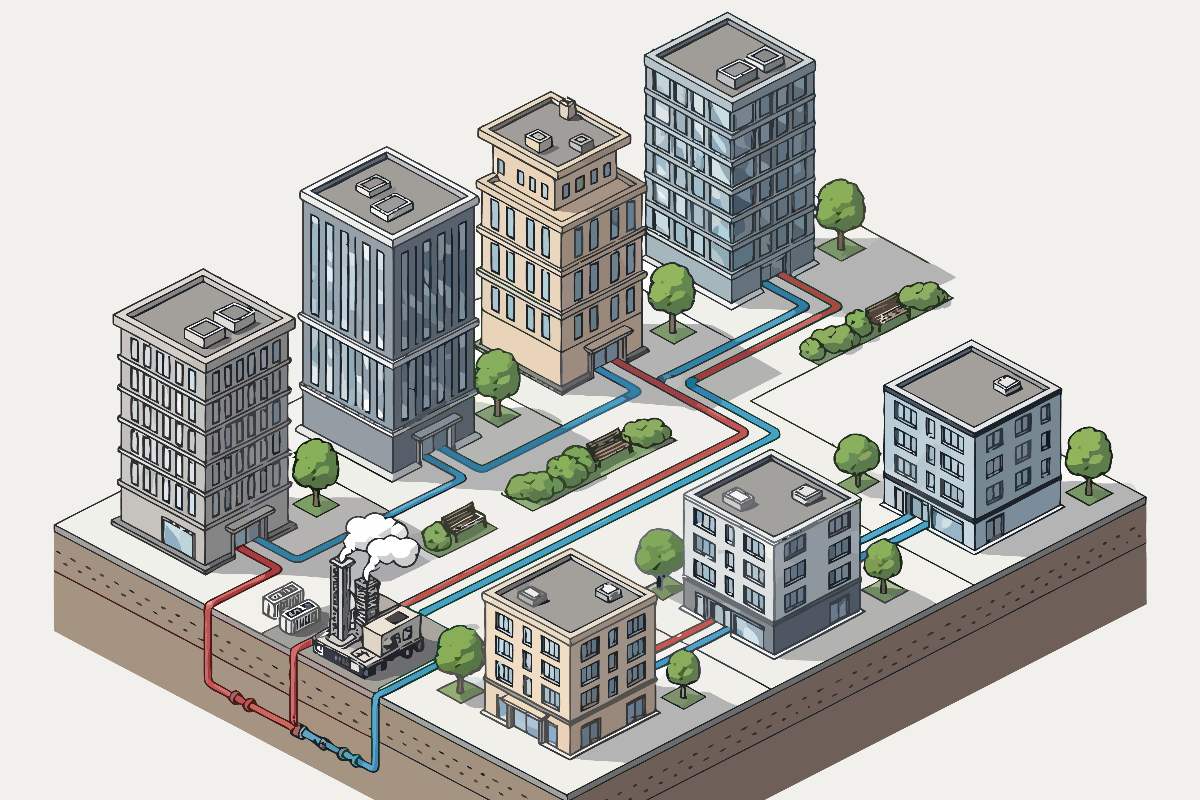
The BosTEN Project will explore how to capture thermal energy from the Charles and Mystic Rivers, Boston Harbour, the Fort Point Channel, and the bedrock beneath the rivers, and deliver it to nearby large buildings for clean heating and cooling.
The closed system of a thermal energy network circulates heat through sealed infrastructure without drawing water from waterways, avoiding impacts to marine life. These networks, which are already in use across Canada and Europe, can help reduce strain on the electric grid as energy demand grows.
“Thermal energy networks offer a smart, scalable way to meet growing demand while cutting pollution and easing pressure on our grid”
“Massachusetts is where we come together to solve big challenges, and this project is a perfect example of that. This is about making energy more affordable and more reliable for the people and businesses of Massachusetts,” said governor Maura Healey.
“Thermal energy networks offer a smart, scalable way to meet growing demand while cutting pollution and easing pressure on our grid. We’re proud to partner with the City of Boston and regional leaders to move this forward.”
“Large buildings account for a significant share of our energy use, and they need heating and cooling solutions that are reliable, scalable, and cost-effective,” said lieutenant governor Kim Driscoll. “This groundbreaking effort positions Boston to lead on innovative infrastructure that can serve major energy users while easing pressure on our broader energy system.”
Boston Mayor Michelle Wu added: “This innovative effort reflects what Boston does best: bringing together some of our region’s most valuable partners to make our city more sustainable and affordable.”
“By exploring thermal energy, we’re opening an opportunity to keep our buildings comfortable year-round while maintaining stable electricity costs and paving the way for other cities across the Commonwealth to do the same.”
The BosTEN project will leverage the Green Ribbon Commission’s diverse membership, which represents many of the area’s largest energy users, including universities, hospitals, commercial real estate, and public agencies, to obtain data on their buildings. This data will help shape The BosTEN Project’s analysis of thermal energy use at scale throughout the region.
“Massachusetts is the world’s climate innovation lab. This project is another example of Boston, our capital city, taking control of its energy future”
The GRC will also work with government entities, regulated utilities, and district energy providers to address underground infrastructure and regulatory barriers. The goal is to create an approach that is practical, equitable, and applicable to many sites statewide.
“Massachusetts is the world’s climate innovation lab. This project is another example of Boston, our capital city, taking control of its energy future. Thermal energy networks are an exciting potential path to reduce energy costs and address growing demand for heating and cooling powered by clean energy,” said Mass Clean Energy Center CEO Ben Downing. “The BosTEN Project will deepen our understanding of how these systems can strengthen our grid, manage peak demand, and make Massachusetts more energy independent.”
At the end of the project, the Green Ribbon Commission will deliver findings on thermal supply, distribution pathways, phased demand among early adopters, investment readiness, and permitting/regulatory requirements, with an emphasis on producing near-term pilot concepts that can be enacted in Boston.
“What makes this ambitious project tangible is the amount of collaboration behind it,” said Dr Lindsey Butler, executive director of the Green Ribbon Commission.
“By bringing together our most influential institutions, largest energy users, public entities, and engineering experts, we will be able to deliver insights that could make thermal energy networks a reality that benefits communities across Massachusetts and serves as a global example of what’s possible.”
The Green Ribbon Commission is seeking a qualified engineering firm or technical consultant to lead this work.
Bostonclimate actionClimate change/ResilienceCommercial buildingsEnergy & EnvironmentMunicipal buildingsnet zeroRenewableswater
Latest City Profile
SmartCitiesWorld Newsletters (Daily/Weekly)
You may also like these related articles...
BECOME A MEMBER
© 2026 SmartCitiesWorld
Smart Cities World Ltd, 37 Lombard Street, London, EC3V 9BQ