







BUILD YOUR OWN
RESOURCE LIBRARY



Podcasts
Cities Thriving on Lighting, Episode 2 – Simplicity by design in smart lightingSponsored by Paradox Engineering
Cities Thriving on Lighting, Episode 1 – Lighting as the backbone of the smart citySponsored by Paradox Engineering
Opinions

Transforming indoor public safety with smart sensor networksSponsored by Motorola Solutions
North American smart city finalists named by IDC Government
The awards were introduced to recognise the progress North American municipalities have made in executing smart cities projects and to share best practices.


IDC Government Insights has named 36 finalists in its annual Smart Cities North America Awards (SCNAA) for success in leveraging emerging technology and innovation to support smart city initiatives.
The awards were introduced to recognise the progress North American municipalities have made in executing smart cities projects, as well as provide a forum for sharing best practices to help accelerate smart city development in the region. Finalists include cities, states, counties, and universities.
Forward-thinking municipalities
Finalists in the SCNAA illustrate best practice examples of how forward-thinking municipalities and regional governments are effectively leveraging technology and innovation to offer new services and economic opportunities and to meet the needs and expectations of residents, visitors, and businesses.
More than 40 municipalities, states, and educational institutions are recognised for “unprecedented progress” in creating and sustaining smart city projects across the following 14 categories:
1. Administration (Back office, digital legislating)
- City and County of Denver – Denver, Colorado
- Multi-sourcing Service Integrator (MSI) based financial management innovations – Virginia Information Technologies Agency (Vita) – State of Virginia
- Smarter Together Initiative – San Antonio, Texas
2. Civic engagement (Open data, city portals, 311 apps)
- Cherokee Nation Tribal Citizen Access Portal – Cherokee Nation
- Rural Texas Transparency and Engagement Through Innovation – Seguin, Texas
- City of Dallas Digital Equity – Dallas, Texas
- Long Beach Collaboratory (CB Co-Lab) – Long Beach, California
3. Data-driven policing
- Addressing Hate Crime Through Data Storytelling: The City of Austin’s Approach – Austin, Texas
- New York City and Dedrone: Protecting the US Open and Beyond – New York
- Smart Parks – Las Vegas, Nevada
4. Digital equity and accessibility (public wifi, accessibility services, ADA compliance)
- Inclusive Design Initiatives at the City of Seattle – Seattle, Washington
- Irving Parks public wifi – Irving, Texas
- Cincinnati/Northern Kentucky International Airport – Erlanger, Kentucky
- Surge Link: Equitable Broadband Access – Syracuse, New York
5. Economic development, tourism, arts, libraries, culture, open spaces (connected museums; event management; digital currencies; augmented reality tourism)
- Cheatham County School District – Economic Solutions through Solar Innovation – Pleasant View, Tennessee
- Cedar Hill Library in a Park – Cedar Hill, Texas
- Fairfax City Smart Restroom pilot programme – Fairfax City, Vancouver
6. Education (smart campus, smart classrooms, virtual offerings, online and remote services)
- MyCPP Student Portal – Cal Poly Pomona, Pomona, California
- JA Discovery Centre at Gwinnett County Public Schools (GCPS) – Suwanee, GA
- UTC’s Quantum Initiative & Research Institute – University of Tennessee at Chattanooga
7. Next-generation emergency services
- City of Glendale Community Alert System – Glendale, Arizona
- City of Allentown Fleet Services – Allentown, PA
- DHS Flood Sensor Program in Virginia, exemplified by Roanoke College – State of Virginia and Roanoke College
8. Public health and social services (addiction monitoring and prevention, predictive disease management, humanitarian services)
- Alerting Elders to Indoor Environmental Risks – Knoxville, Tennessee
- Bloomington Civiform Project and Collaboration with Google.org – Bloomington, IN
- Dallas County Health and Human Services Disease Surveillance and Investigation System – Dallas County, Texas
Read More
9. Smart buildings (capacity planning; return-to-work programmes; sustainability and security systems)
- Wisper Valley – Austin, Texas
- City of San Diego’s Building Housing Stock Analysis – San Diego, California
- Morrisville’s Facility Vision – Morrisville, North Carolina
10. Smart water (water conservation and management, smart metering, waste reduction efforts)
- FloodVision-AI – Virginia Beach, Vancouver
- Republic Services Garden at Margaret T Hance Park – Phoenix, Arizona
- Kando Pulse IoT - Smart AI Sewer Monitoring – Phoenix, Arizona
11. Sustainable infrastructure (smart lighting, waste collection, environmental monitoring, resiliency)
- Connect @Mesa with public wifi – Mesa, Arizona
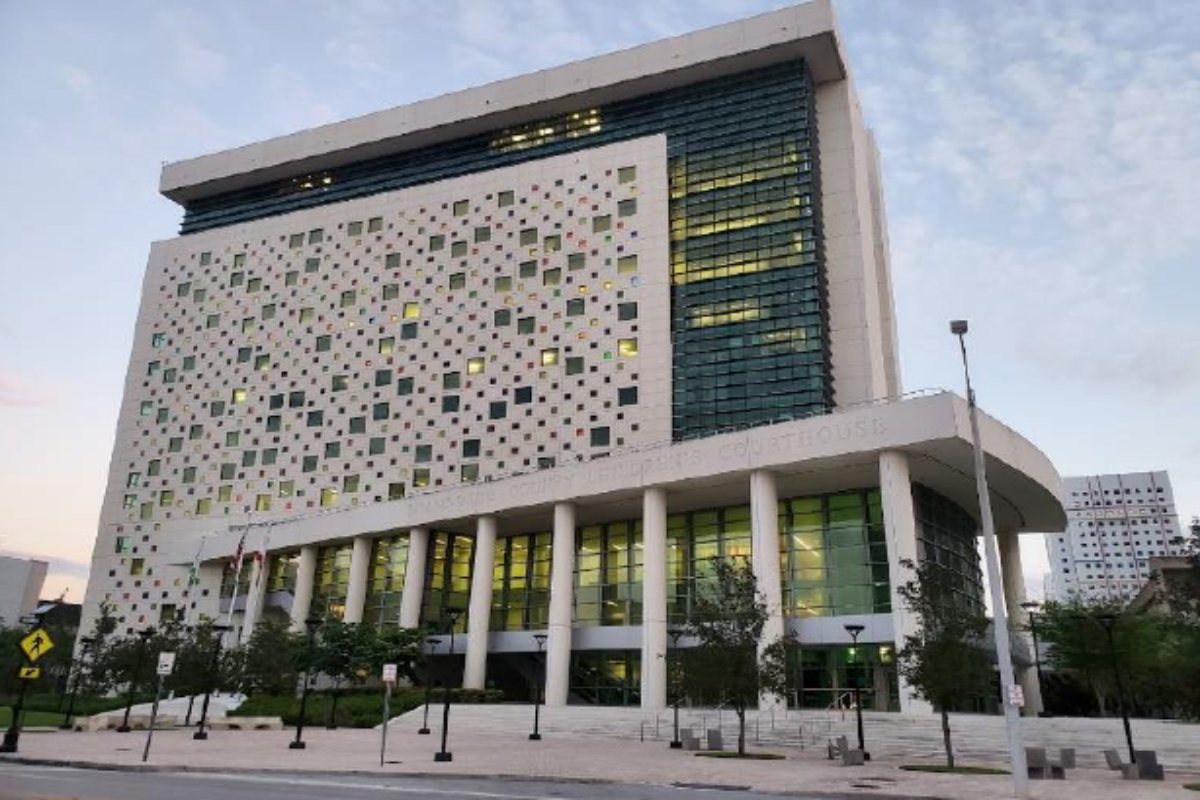
- Coral Gables Custom Smart City AI-Powered Modular Poles – Coral Gables, Florida
- The City of Hamilton Air Quality & Noise Levels IoT Data Collection to Inform Truck Route Planning – Hamilton, Ontario
12. Transportation (connected and autonomous vehicles, public transit, ride-hailing/ride-sharing, electric vehicles, universal mobility)
- Alexandria Smart Intersections – Alexandria, Vancouver
- Commuters Trust – South Bend, Indiana
13. Transportation infrastructure (parking, transit hubs; traffic management and equipment for connected and/or autonomous vehicles. EV charging infrastructure)
- Safe-T (smart aerial fleet for enhanced transportation) initiative – NJ Transit
- Carta – equitably transforming public transportation – Chattanooga, Tennessee
- Cincinnati/Northern Kentucky International Airport (CVG) traffic flow modelling – Erlanger, Kentucky
14. Urban planning and land use (permitting, licensing, inspection and zoning, digital twins, community resiliency)
- Rebuilding Trust Through its Parks Master Plan – Hercules, California
- Using Microclimate Modelling and Digital Twin to Envision Raleigh’s Future – Raleigh, North Carolina
- Glendale GIS Centre of Excellence – Glendale, Arizona
“This year’s Smart Cities North America Award finalists continue to showcase how the public sector is creatively using technology, community engagement, and ecosystem partners to provide secure, effective, efficient, and perhaps most importantly, sustainable and equitable services,” said Ruthbea Yesner, vice president, IDC Government Insights, education and smart cities.
“Awareness and adoption of leading-edge technologies is now top of mind for government leaders as they look to revitalise and modernise the employee and constituent experience.”
As the next step in the nomination process, IDC invites the public to vote on the named finalists at www.surveymonkey.com/r/SCNAA24. Voting will be open through 8 March. Winners will be announced 27 March and honoured at Smart Cities Connect being held 7-10 May in Raleigh, North Carolina.
Why not try these links to see what our SmartCitiesWorld AI can tell you.
(Please note this is an experimental service)
How can smart city data improve public health and social services delivery?What technologies enable effective digital equity and accessibility in cities?How do smart transportation systems enhance urban mobility and reduce congestion?What role do IoT and AI play in sustainable infrastructure management?How can urban planning use digital twins to improve community resiliency?Latest City Profile
SmartCitiesWorld Newsletters (Daily/Weekly)
You may also like these related articles...
BECOME A MEMBER
© 2026 SmartCitiesWorld
Smart Cities World Ltd, 37 Lombard Street, London, EC3V 9BQ