




















BUILD YOUR OWN
RESOURCE LIBRARY



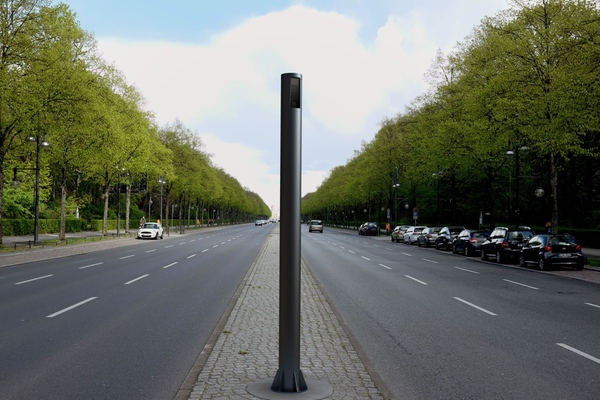
Smart pole installation forecast to reach 11 million by 2030
Analyst finds main driver behind smart pole deployments is the need for cellular network densification in the form of 5G and future 6G small cells and the use of mmWave radio spectrum.


Smart poles are predicted to become a key deployment framework for urban infrastructure with a forecast installed base exceeding 10.8 million globally by 2030, new research suggests.
According to global technology intelligence firm ABI Research, which describes smart poles as “multi-functional aggregation points” for smart urban infrastructure, this will translate into system revenues amounting to amounting to $60bn.
Smart urban infrastructure
“The relevance of smart poles for smart cities is huge. They offer an efficient, scalable, and modular framework for deploying the whole spectrum of smart urban infrastructure, ranging from 5G small cells and wifi hotspots to surveillance and traffic cameras, signage and information displays, air quality and flood monitoring solutions, and charging points for two- and four-wheel vehicles, drones, and handsets including renewable energy generation,” said Dominique Bonte, VP end markets and verticals at ABI Research.
He continued: “However, the main driver behind smart pole deployments is the need for cellular network densification in the form of 5G and future 6G small cells and the use of mmWave radio spectrum. As such, the telco ecosystem is expected to at least partially fund the additional smart cities functionality embedded in smart poles.”
Read More
ABI Research’s report notes typical barriers slowing down smart pole adoption include issues related to co-ownership and management (design, maintenance, backhaul cost sharing), conflicting priorities and agendas, sensor data privacy concerns, and the lack of awareness of city governments about the many benefits offered by smart poles in terms of cost savings, deployment time, scaling opportunities, and future-proof modularity.
Consequently, deployments are only expected to gather momentum towards the end of this decade.
Key vendors in the smart pole ecosystem include Ubicquia, Verizon, Huawei, Signify, Nokia/LuxTurrim5G, and Elko EP, next to a range of smart streetlight suppliers venturing into smart pole technologies.
“The relevance of smart poles for smart cities is huge. They offer an efficient, scalable, and modular framework for deploying the whole spectrum of smart urban infrastructure”
Main initiatives include the EU’s Humble Lamppost Project and deployments by the Seoul Metropolitan Government, Los Angeles, Munich, and Leuven. Additionally, cities in China (Shenzhen, Hangzhou) and India (Bhopal, New Delhi, and Indore) have implemented smart pole projects.
These findings are from ABI Research’s Smart Poles and Street Platforms report. This report is part of the company’s Smart Urban Infrastructure research service, which includes research, data, and analyst insights.
Why not try these links to see what our SmartCitiesWorld AI can tell you.
(Please note this is an experimental service)
How do smart poles enhance 5G and future 6G network densification?What modular features enable smart poles to support diverse urban infrastructure?How can smart poles contribute to improved air quality monitoring in cities?What are the main challenges in managing co-ownership of smart pole systems?Which technologies enable smart poles to support renewable energy generation?5GABI Researchair qualityConnectivity & DataElko EPEnergy & EnvironmentHuaweiLightingLightingLuxTurrim5GNokiaSignifyUbicquiaVerizon
Latest City Profile
SmartCitiesWorld Newsletters (Daily/Weekly)
You may also like these related articles...
BECOME A MEMBER
© 2026 SmartCitiesWorld
Smart Cities World Ltd, 27 Clements Lane, London, EC4N 7AE