













BUILD YOUR OWN
RESOURCE LIBRARY



Podcasts

Cities Thriving on Lighting, Episode 2 – Simplicity by design in smart lightingSponsored by Paradox Engineering

Cities Thriving on Lighting, Episode 1 – Lighting as the backbone of the smart citySponsored by Paradox Engineering
Opinions

Transforming indoor public safety with smart sensor networksSponsored by Motorola Solutions
Vienna remains top city for liveability
Austrian capital retains its position in the Economist Intelligence Unit’s index which assigns cities a rating of relative comfort for over 30 qualitative and quantitative factors.


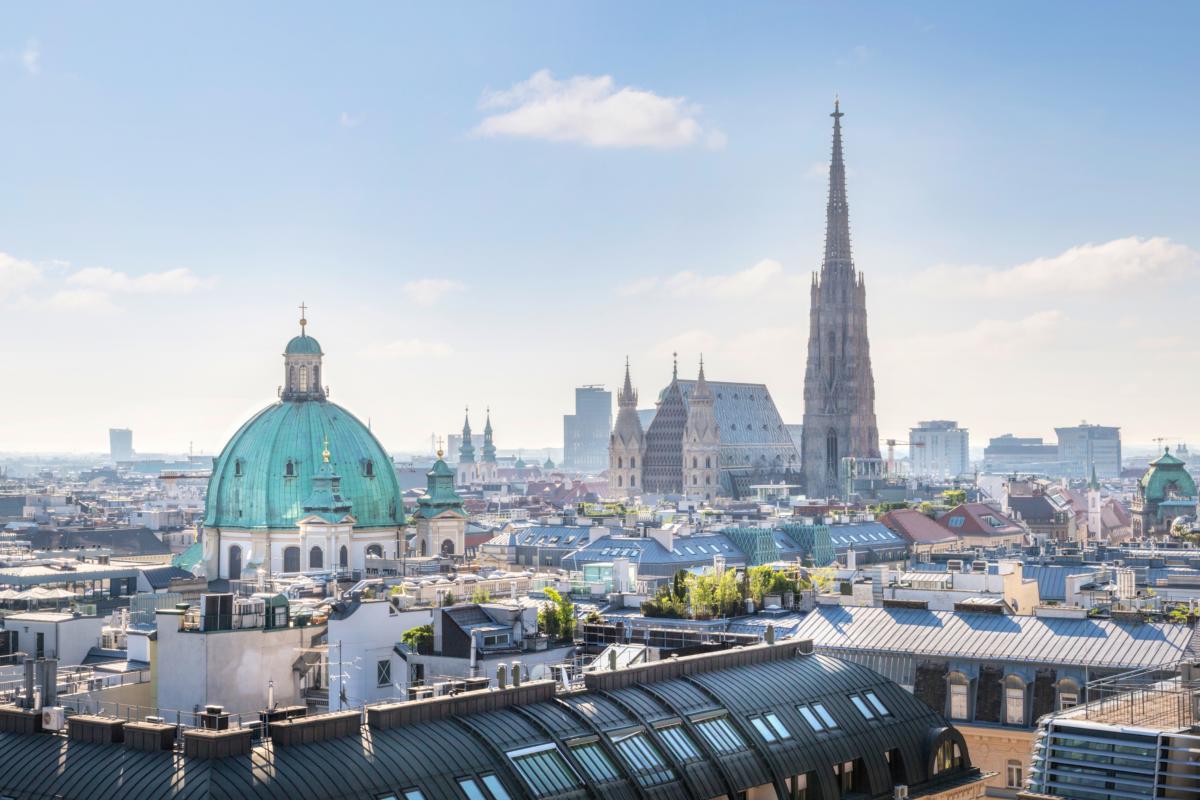
Vienna crowned most liveable city for the second year running
Vienna has been named the most liveable city in the world for the second year running, beating the Australian cities of Melbourne and Sydney into second and third places respectively.
The Economist Intelligence Unit (EIU) surveyed 140 cities for its Global Liveability Index 2019, assessing which locations around the world provide the best or the worst living conditions.
How cities are rated
EIU explains that every city is assigned a rating of relative comfort for over 30 qualitative and quantitative factors across five broad categories: stability, healthcare, culture and environment, education, and infrastructure. Each factor in a city is rated as acceptable, tolerable, uncomfortable, undesirable or intolerable.
For qualitative indicators, a rating is awarded based on the judgment of in-house analysts and in-city contributors. For quantitative indicators, a rating is calculated based on the relative performance of a number of external data points.
“The incidence of extreme weather events, such as flooding and heatwaves, is rising around the world, and cities in emerging markets are often the most directly affected and the least resilient"
As well as Melbourne and Sydney, the Australian city of Adelaide appeared in the top 10 (tenth), while only one other European city, Copenhagen (ninth), scores among the best.
The index shows other top-ranked cities are split between Japan (Osaka in fourth and Tokyo in joint seventh) and Canada (Calgary in fifth, and Vancouver and Toronto in sixth and joint seventh, respectively).
The EIU said that among the 56 cities that have registered improvements to their overall liveability rankings over the past five years, four cities stand out: Abidjan in Côte d’Ivoire, Hanoi in Vietnam, Kiev in Ukraine and Belgrade in Serbia have seen increases of five percentage points or more.
10 most liveable cities
Vienna
Melbourne
Sydney
Osaka
Calgary
Vancouver
Toronto
Tokyo
Copenhagen
Adelaide
10 least liveable cities
Caracas
Algiers
Douala
Harare
Port Moresby
Karachi
Tripoli
Dhaka
Lagos
Damascus
Overall, the index is dominated by medium-sized cities in wealthy countries. EIU highlights that these cities have well-funded public healthcare systems, compulsory and high-quality education, and functional road and rail infrastructure.
Threat of climate change
EIU also notes "the continued gradual improvement" of cities in emerging markets in infrastructure, education and healthcare, as well as, in many cases, stability. However, EIU points out that these gains appear to be coming under threat from the effects of climate change, which in the index is reflected in the culture and environment category.
It says: “The incidence of extreme weather events, such as flooding and heatwaves, is rising around the world, and cities in emerging markets are often the most directly affected and the least resilient.
"That said, we see climate change as a global phenomenon, which threatens the liveability of cities at the very top of the index too. Only a co-ordinated global effort to limit the rising temperature of the planet will succeed in maintaining current levels of liveability across the world."
To find out more about the EIU’s Livability portfolio of resources, go to Global Liveability Index 2019
You might also like:
- London ranked top city for Generation Z
- Tokyo holds position as safest city in the world
- Vienna ranked the most ‘liveable’ city
Why not try these links to see what our SmartCitiesWorld AI can tell you.
(Please note this is an experimental service)
How does Vienna maintain its top liveability ranking consistently?What factors contribute to Australian cities ranking highly in liveability?How does climate change impact liveability scores in emerging cities?Which infrastructure elements most influence a city's liveability rating?How do qualitative and quantitative data combine in the EIU index?AbidjanAdelaideAlgiersBelgradeBuildingsCalgaryCaracasConnectivityCopenhagenDamascusDhakaDoualaEIUEnergyFeaturedGlobal Liveability Index 2019GovernanceHanoiHarareKarachiKievLagosliveabiityMelbourneOsakaPort MoresbySydneyThe Economist Intelligence UnitTokyoTorontoTransportTripoliVancouverVienna
Latest City Profile
SmartCitiesWorld Newsletters (Daily/Weekly)
You may also like these related articles...
BECOME A MEMBER
© 2026 SmartCitiesWorld
Smart Cities World Ltd, 37 Lombard Street, London, EC3V 9BQ