


“Miyawaki method” creates dense, biodiverse forests that improve climate resilience and overall ecological sustainability in the areas where they are planted.
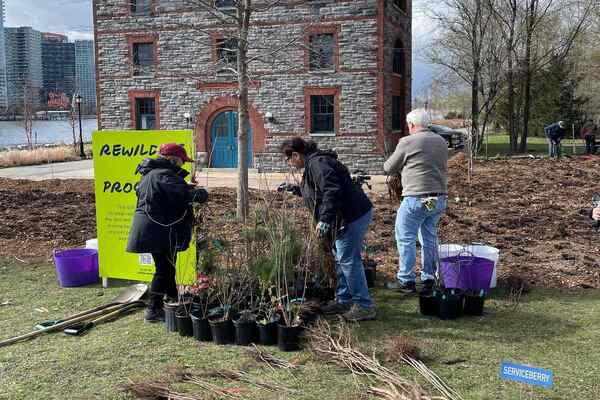
The Roosevelt Island Operating Corporation (RIOC) in collaboration with SUGi, iDig2Learn, and the Lenape Centre, have planted the first “pocket forest” in New York City on Roosevelt Island.
The new “Manhattan Healing Forest”, located in Roosevelt Island’s Southpoint Park, includes more than 1,000 native trees and shrubs planted together in close proximity over 2,700 square feet of space.
The Lenape Centre supports projects to restore and regenerate ecosystems while iDig2Learn aims to connect those living in cities with nature. SUGi has created around 200 pocket forests in cities around the world.
This method of planting, known as the “Miyawaki method”, creates dense, biodiverse forests that improve climate resilience and overall ecological sustainability in the areas where they are planted.
This nature-based solution to ecosystem loss, climate change, and inequitable access to green space depends upon native plant species working in collaboration; in parallel, many local organisations are also joining in to support the project with in-kind donations.
“RIOC hopes this new forest, with its unique method of planting in a relatively small space, can serve as a model for other urban centres that are looking to improve their overall biodiversity and ecological sustainability”
For instance, the project received large donations of nutrient-rich compost from Big Reuse’s community food scrap programme and wood chips from Green-Wood Cemetery grounds.
“RIOC hopes this new forest, with its unique method of planting in a relatively small space, The Lenape Centre supports projects to restore and regenerate ecosystems while iDig2Learn aims to connect those living in cities with nature.ove their overall biodiversity and ecological sustainability,” said Gerrald Ellis, deputy counsel and co-interim leader for the Roosevelt Island Operating Corporation.
“Thank you to Christina (iDig2Learn), Elise (SUGi), our RIOC grounds team, and everyone in the community who came together to bring this wonderful project to life.”
“SUGi has created high-impact urban pocket forests all around the world, but finally ‘making it’ to New York feels like a perfect confirmation of our promise that these native ecosystems can thrive anywhere,” said Elise Van Middelem, founder and CEO, SUGi.
“Community and collaboration – of plants and people – is crucial to resilience, healing, and growth; here, we couldn’t have asked for more.”
SUGi is a specialist in creating green infrastructure, with a view to “reimagining urban life, and restoring the human connection to nature”. Its signature strategy for building biodiversity, climate resilience and wellbeing is based on the proven Miyawaki method of planting ultra-dense, biodiverse forests of native species only.
Since launching in May 2019, it reckons it has created 200 SUGi pocket forests in 42 cities on six continents and reconnected 52,000 youth and community members to nature.
The Roosevelt Island Operating Corporation was created in 1984 by the State of New York as a public benefit corporation with a mission to plan, design, develop, operate, and maintain Roosevelt Island, located in the East River. With a focus on innovative and environmentally friendly solutions, RIOC is committed to providing services that enhance the island’s residential community.
Why not try these links to see what our SmartCitiesWorld AI can tell you.
(Please note this is an experimental service)
How does the Miyawaki method enhance urban biodiversity and climate resilience?What native species are ideal for creating pocket forests in NYC?How can nutrient-rich compost improve the growth of pocket forests?What role do community partnerships play in sustaining urban green spaces?How does Roosevelt Island’s pocket forest model support ecological sustainability?