











 22 - 26 June 2026: Find out more



BUILD YOUR OWN
RESOURCE LIBRARY



Opinions
Smart lighting: enabling smart cities beyond illuminationSponsored by Paradox Engineering

How AI and biometrics are shaping next-generation mobility paymentsSponsored by ST Engineering
Why cities must build “active mobility resilience” into strategies
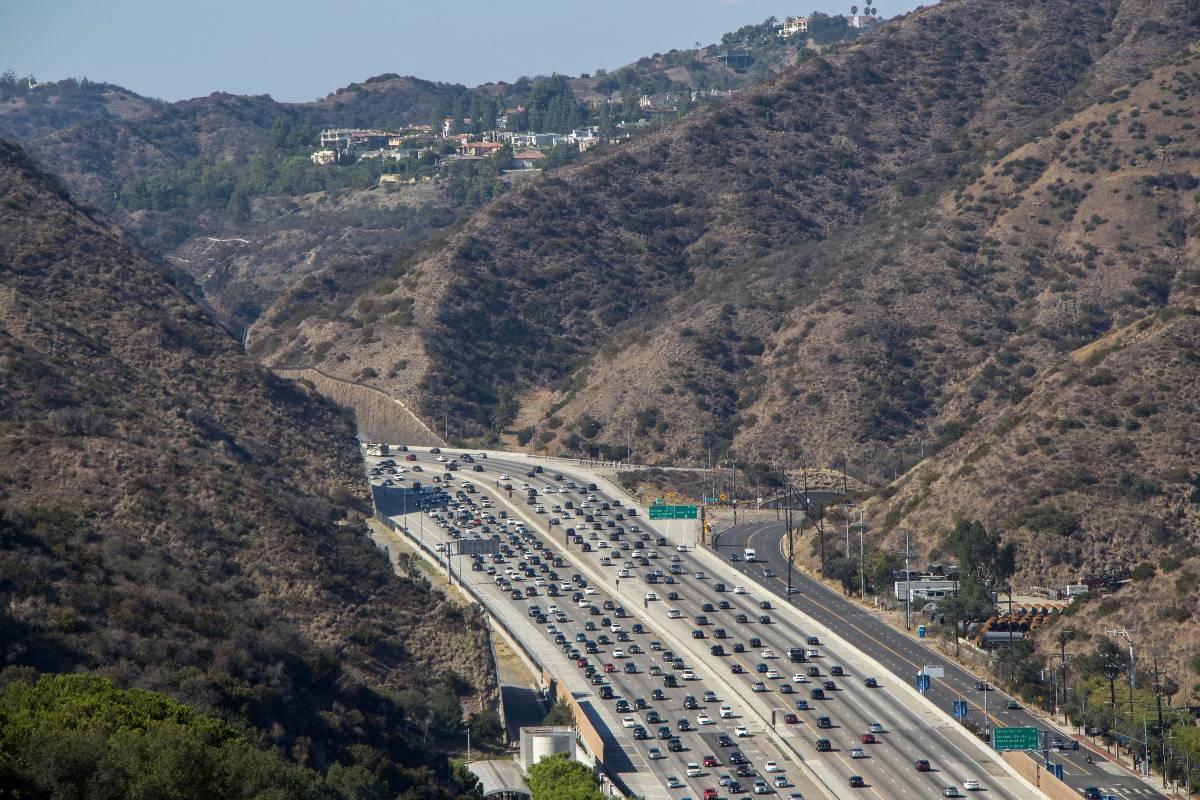
With more than half of all urban land in American cities devoted to car infrastructure, a new report calls for a strategic reorientation of city planning.


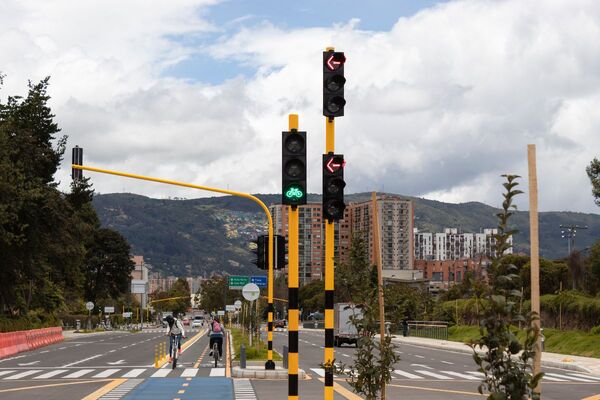
A new report is calling for the strategic reorientation of city planning toward walking, cycling, and public space or “active mobility resilience”.
Living Streets: How Cities Are Trading Car Culture for Climate Resilience, authored by Tharika Lecamwasam and published in partnership with Leading Cities and Afkar Collective, explores how car-centric infrastructure is giving way to people-centered, climate-resilient urban design.
Urban climate challenges
As climate challenges escalate in urban areas – ranging from heatwaves and flooding to deteriorating air quality cities around the world are rethinking how streets function.
The report outlines the environmental, health, and social harms of automobile dominance, which include pollution, urban heat islands, fragmented ecosystems, and increased public health risks.
“Designing streets with climate resilience in mind is not just an environmental necessity – it is also a public health and economic imperative”
It reveals that more than half of all urban land in American cities is now devoted to car infrastructure, a system that often prioritises vehicles over community wellbeing and climate resilience.
Citing global data and studies, the report highlights how pedestrian and cyclist infrastructure reduce emissions, enhance physical and mental health, improve transportation equity, and fosters community interaction.
Read More
“Cities around the world are grappling with the challenges of climate change, pollution, and urban congestion. However, some cities have emerged as leaders in redefining streets as a multifunctional space that prioritises pedestrians, cycling, and green infrastructure,” writes Lecamwasam in the report.
“These cities have demonstrated that human-centered urban design can improve air quality, reduce carbon emissions, enhance public health, and create more liveable communities.”
For example, New York City saw a 57 per cent drop in bike-related injuries after installing protected bike lanes, while Bogotá’s Ciclovía programme has inspired hundreds of cities to reclaim streets for people each week.
Beyond mobility, the report emphasises the role of green infrastructure – such as permeable pavements, rain gardens, and tree canopies – in reducing urban flooding, lowering surface temperatures, and improving air quality. Streets designed with climate in mind can reduce surface temperatures by up to 90°F and stormwater runoff by 88 per cent, proving their importance as both environmental and public health assets.
“Some cities have emerged as leaders in redefining streets as a multifunctional space that prioritises pedestrians, cycling, and green infrastructure”
It also profiles cities pioneering “living streets” models: Paris with its 15-minute city plan, Barcelona’s Superblocks, Rotterdam’s flood-resilient Water Squares, and Melbourne’s Urban Forest Strategy. These examples demonstrate the transformative power of integrating nature, equity, and accessibility into urban design.
“Designing streets with climate resilience in mind is not just an environmental necessity – it is also a public health and economic imperative,” continued Lecamwasam. “Cities that invest in climate adaptive street infrastructure not only reduce disaster risks but also create healthier, more liveable urban environments for their residents. As climate challenges intensify, rethinking street design will be a key strategy in ensuring cities remain sustainable and resilient for future generations.”
Ultimately, the report calls for a paradigm shift – from streets as car corridors to multifunctional spaces that promote resilience, sustainability, and quality of life. By reframing streets as vital infrastructure for climate adaptation, the report argues for long-term investments and policies that prioritise human and environmental health over traffic flow.
The report can be viewed at leadingcities.org/publications.
Why not try these links to see what our SmartCitiesWorld AI can tell you.
(Please note this is an experimental service)
How does active mobility resilience improve urban air quality and health?What urban design features reduce surface temperatures and manage flooding?How do protected bike lanes impact cyclist safety and injury rates?Which policies support shifting urban land use from cars to pedestrians?How do green infrastructures like rain gardens enhance climate resilience?air qualityclimate actionClimate change/ResiliencecongestionEnergy & EnvironmentMicromobilitymobilityPolicy MakingRoadurban space

Latest City Profile
Latest Urban Exchange Podcast
Latest Special Report
SmartCitiesWorld Newsletters (Daily/Weekly)
You may also like these related articles...
BECOME A MEMBER
© 2026 SmartCitiesWorld
Smart Cities World Ltd, 27 Clements Lane, London, EC4N 7AE