













BUILD YOUR OWN
RESOURCE LIBRARY



Beyond video: how cameras as IoT sensors are changing city safety operations
Sponsored by Axis CommunicationsAndrea Sorri and Dean Cunningham of Axis Communications explains how AI can be used to maximise insights from existing infrastructure and enable cities to avoid the costs of deploying new sensors.


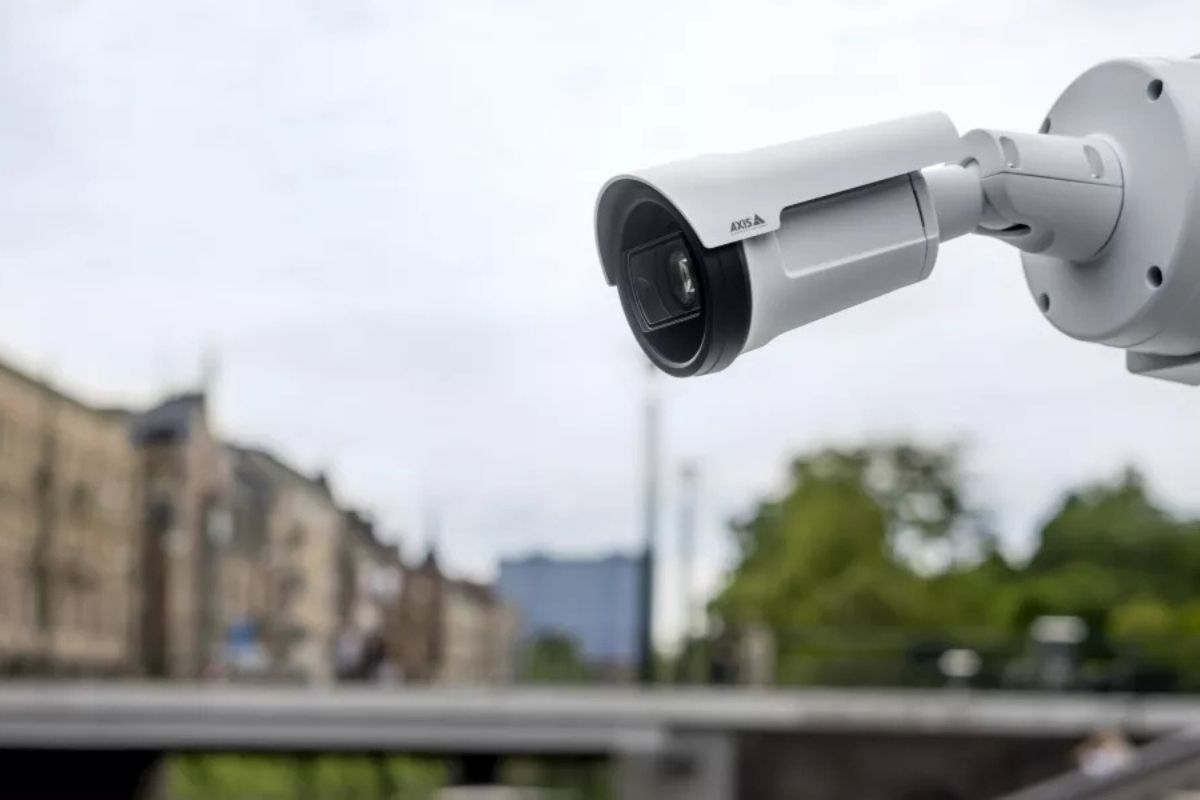
Cameras are evolving into versatile tools, capable of supporting multiple objectives, from traffic monitoring to public safety initiatives
Cities have long relied on cameras, sensors, and control centres to monitor streets and manage services. Traditionally, city cameras have been seen as one-dimensional tools for live streaming video, traffic monitoring, or basic surveillance on the side of buildings.
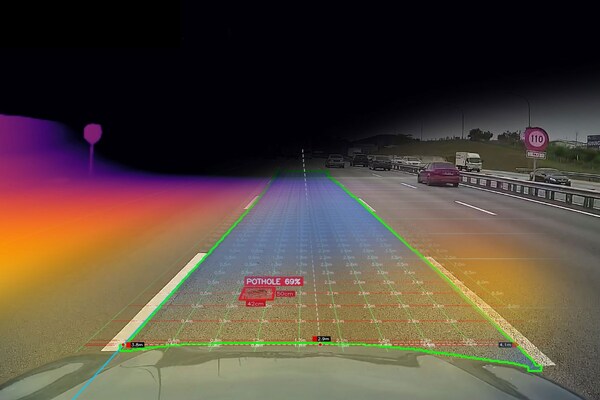
However, there is a clear shift underway. Cameras are increasingly being integrated into broader IoT ecosystems as multifunctional devices that generate rich data streams. Real-time crime and information centres are now aggregating data from cameras, radar, and other sensors to produce actionable insights. These centres treat cameras not just as sources of video, but as computer vision sensors capable of producing metadata that reveals patterns and trends, such as hotspots for vehicle takeovers at intersections or contexts surrounding gunshot incidents.
Cameras are increasingly being integrated into broader IoT ecosystems as multifunctional devices that generate rich data streams
This evolution is about much more than surveillance; it is about understanding what is happening in real time and sharing that knowledge across city departments to make communities safer. By using AI to process the metadata from existing infrastructure, cities are able to maximise insights while avoiding the costs of deploying new sensors.
In this way, cameras become versatile tools, capable of supporting multiple objectives, from traffic monitoring to public safety initiatives. It’s an approach that is being adopted throughout the world, demonstrating the global potential of combining IoT, AI, and computer vision in urban environments.
From reaction to prevention
Data derived from these networks is transforming the way cities manage public safety. For example, rather than merely responding to traffic incidents or congestion, cities can now proactively prevent incidents. Cameras equipped with AI can detect near misses giving planners a far richer understanding of risk than traditional crash reports. This allows cities to make changes such as adjusting traffic light timings, redesigning intersections, or adding safety measures before serious accidents occur.
Radar and other sensing technologies complement this picture. Traditional enforcement relies heavily on complaints from residents, which often results in officers being deployed to locations with little evidence of actual speeding or dangerous behaviour. By leveraging radar and mobility data, cities can identify patterns such as specific lanes where vehicles consistently exceed the speed limit at certain times of day. Resources can then be deployed strategically, focusing enforcement where it is most needed and achieving measurable behavioural changes, whether through warnings or citations.
A notable development is the integration of multiple mobility modalities. Sensors now track cars, bikes, and pedestrians simultaneously, reflecting a shift toward people-centric mobility planning. By considering all road users, cities can protect vulnerable populations, optimise traffic flows, and prevent accidents before they occur. This approach highlights a fundamental change in urban planning: mobility data is no longer solely about vehicles; it is a tool to safeguard the people who inhabit city spaces.
Collaboration as a catalyst
While the technology is evolving rapidly, the greatest barrier to effective use remains organisational. In many cities, police departments are unaware of existing camera systems, which are often owned by traffic departments. In other cases, data ownership silos prevent sharing, with departments reluctant to allow access.
Progress is being made, however, as more cities recognise the advantages of integrating mobility and safety data. This integration allows departments to combine standard traffic monitoring with more advanced insights, such as near-miss analysis, to address safety and congestion holistically.
Adoption rates vary: some cities are early innovators piloting advanced AI and digital twin solutions, others wait to see proven results, and some remain hesitant to depart from established processes. Nonetheless, once early adopters demonstrate measurable improvements in safety and efficiency, momentum spreads quickly, and departmental silos begin to dissolve.
Smarter incident and emergency response
The integration of AI and IoT sensors allows cities to respond more intelligently to incidents. Real-time video feeds provide a granular understanding of events, enabling public safety teams to calibrate their responses appropriately. For instance, an emergency call reporting a fight may be scaled down once the video confirms it involves only a minor altercation, reducing unnecessary deployment of officers and ensuring public safety. This precision also safeguards officers, as interventions can be calibrated to the actual risk on the ground rather than based on incomplete information.

Increasingly, drones are being used to enhance this situational awareness by acting as first responders in complex scenarios. They can provide critical details about suspects, vehicles, or movements, enabling police to focus resources more effectively and reduce unnecessary escalations. Over time, data collected from recurring events can be analysed to build historical patterns, helping cities refine emergency procedures, plan resource allocation, and optimise infrastructure for higher-risk locations. By combining these types of technologies, cities are developing proactive strategies that prevent incidents and reduce harm before they occur.
Resilience through data
One of the most important ways cities can use this data in a public safety context is when it comes to disasters – and at a time where previously once-in-a-generation weather events are becoming more common, data has become crucial to resilience.
Video data, combined with AI, and used in digital twins is proving to be invaluable for emergency response to extreme weather events, particularly in Europe, with growing adoption expected in the United States.
These virtual replicas of cities, fed by live data from cameras and sensors, allow officials to simulate crises and test evacuation plans in real time. For example, during a flood or wildfire, a digital twin can reveal choke points in proposed evacuation routes, helping officials reroute residents to safety.
While human judgment remains critical, digital twins give city managers a dynamic tool for pre-planning and real-time decision-making
Digital twins also provide valuable planning capabilities for large-scale public events. In situations such as festivals, sudden storms require rapid evacuation of thousands of people. The twin can be used to map safe movement, reducing congestion and ensuring orderly dispersal.
While human judgment remains critical, digital twins give city managers a dynamic tool for pre-planning and real-time decision-making. This capacity to simulate scenarios, test infrastructure, and plan resource allocation enables cities to respond with foresight rather than improvisation, ultimately increasing resilience and safety.
The adoption of digital twins is naturally gradual. Cities must first become comfortable with sensors and the metadata they generate, then learn to integrate this data into decision-making processes. Initial use cases may be simple – overlaying live video on a dashboard – but as understanding grows, more sophisticated simulations and predictive models can be applied. This incremental approach ensures that digital twin capabilities are built on a solid foundation, ready to scale as the city’s needs evolve.
AI and digital twins make safety data practical and accessible
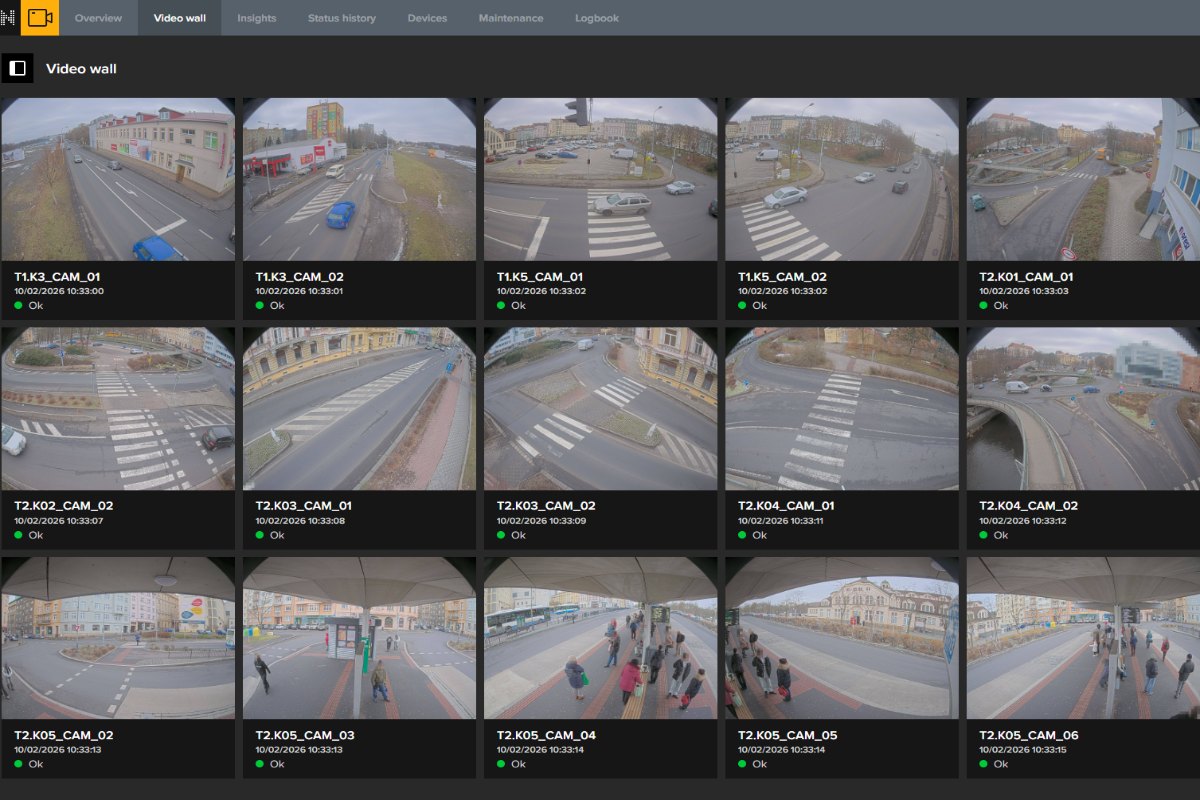
An important consideration for any public safety use case for cities is to ensure that data is both usable and accessible. Not all city departments have dedicated data analysts, and existing staff are often stretched thin. By integrating live video feeds into digital twins, even non-specialists can interpret trends, confirm anomalies, and make decisions without deep technical expertise. This democratisation of data analysis ensures that digital twin insights are available to those on the front lines of public safety.
Cost is another critical factor. Municipal budgets are limited, and government procurement cycles can slow innovation. Technology providers like Axis are focusing on open standards and cost-effective integration, enabling cities to leverage camera data and other sensors without extraordinary investment. Whether a major metropolis with a strong IT team or a smaller city working with university partners or system integrators, these approaches make digital twins and integrated AI solutions feasible and scalable.
Importantly, these technologies are now providing a convergence point for urban mobility and public safety initiatives. Mobility data informs safety interventions, and insights from public safety feed back into urban planning, influencing traffic management, congestion mitigation, and infrastructure development. Collaboration across departments, supported by accessible technology, maximises safety, efficiency, and liveability.
At the heart of this shift is a fundamental principle: technology should empower cities without creating unnecessary cost or complexity
Altogether, the integration of IoT cameras, video data, AI, and digital twins can represent a shift in how cities operate and manage public safety. Cameras and sensors now generate metadata that informs proactive safety strategies, as mobility analytics allow cities to predict and prevent accidents, manage congestion, and protect vulnerable road users. Digital twins provide a dynamic, data-driven lens for planning and responding to emergencies, from everyday incidents to extreme weather events.
Nevertheless, it is a gradual transformation that requires education, collaboration, and trust. Communities and city departments must understand the sensors around them, interpret the data intelligently, and integrate insights into operational strategies. The rewards are tangible: safer streets, more efficient use of resources, and resilient urban systems capable of adapting to both routine and extraordinary challenges.
At the heart of this shift is a fundamental principle: technology should empower cities without creating unnecessary cost or complexity. By harnessing existing infrastructure, applying AI to extract insights, and building accessible digital twins, cities can act with foresight and precision. The result is a more responsive, proactive, and resilient urban environment – one in which public safety, mobility, and planning work in harmony to create smarter, safer cities for all.
To find out more about the work Axis Communications is doing to support cities in becoming safer and more resilient, visit them during Smart City Expo World Congress in Barcelona (4-6 November) – find out more here.
Why not try these links to see what our SmartCitiesWorld AI can tell you.
(Please note this is an experimental service)
How does AI enhance metadata extraction from existing city camera infrastructure?In what ways do digital twins improve emergency response and urban planning?How can integrated IoT sensors support proactive traffic and public safety measures?What strategies enable effective data sharing across city departments for safety?How do AI and computer vision help protect vulnerable road users in cities?Latest City Profile
SmartCitiesWorld Newsletters (Daily/Weekly)
You may also like these related articles...
BECOME A MEMBER
© 2026 SmartCitiesWorld
Smart Cities World Ltd, 27 Clements Lane, London, EC4N 7AE