
















BUILD YOUR OWN
RESOURCE LIBRARY



Opinions

How AI will define cities and mobility in 2026Sponsored by ST Engineering

Why water must lead the smart city conversationSponsored by Bentley Systems
2026 must be the year that the UK ends the micromobility limbo
Jim Hubbard, Voi UK’s head of public policy, says now is the time to speak up on micromobility if you want to see greener, better-connected cities and towns that drive economic growth.


Micromobility in the UK is at risk of getting stuck in a limbo state: it’s widely used, on the verge of being mainstream, but lacking the necessary legislation. If this year becomes another of delay, Britain could gain a reputation for trialling micromobility endlessly, while the rest of Europe gets on with governing it.
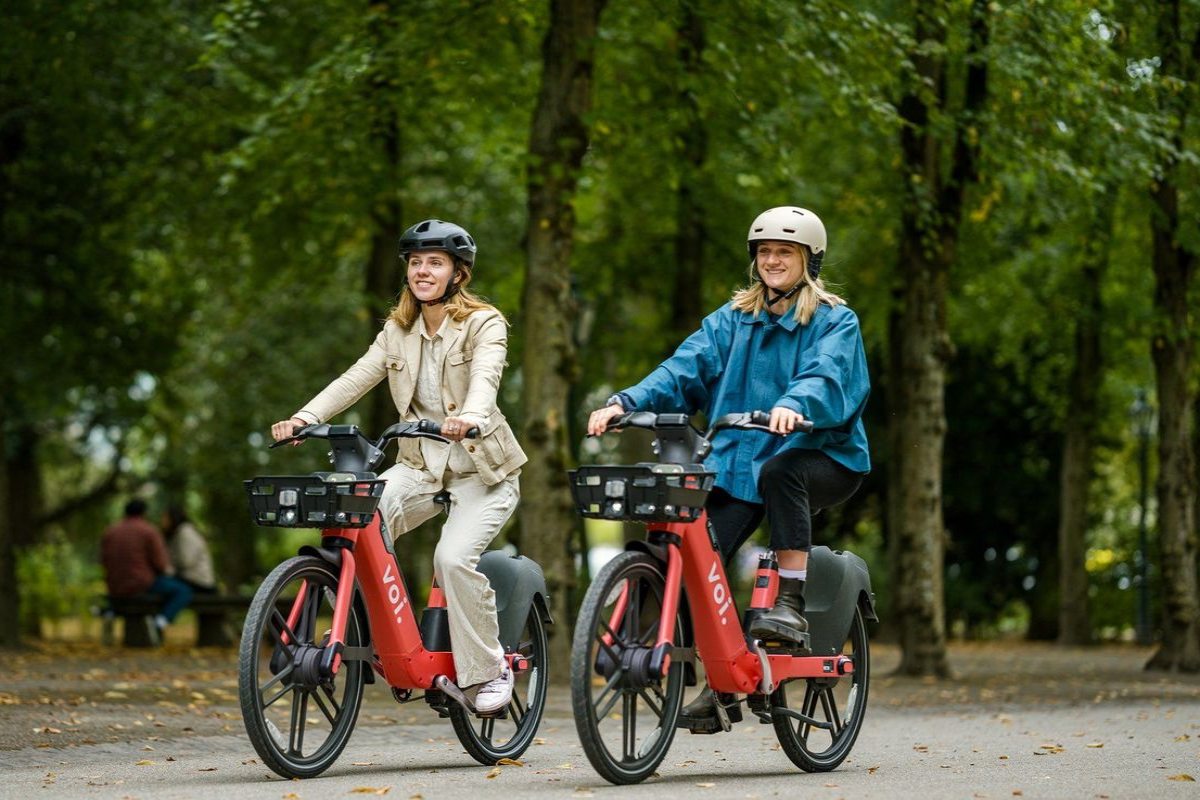
We know that e-bikes and e-scooters are no longer a novelty. They are part of everyday commuting life: affordable, convenient and genuinely door-to-door. In the more than 20 towns and cities that we serve across the UK, people are using shared micromobility to travel to work, appointments and social commitments, clocking up more than 50 million rides.
Rising average age of micromobility riders
The days of micromobility being seen as only for twenty-somethings are over. The share of Voi’s riders aged 45 and over has jumped from one in ten to one in four over the last six years. Four in 10 riders say they drive less because of shared micromobility, with this rising to one in two among the over 45s.
This matters for local authorities who are under pressure to reduce congestion and emissions without readily available access to funding. Shared e-bikes and e-scooters are doing something active travel policy has struggled to achieve for years: persuading people who can drive, not to.
You can see the impact on the ground. In Cambridge, our shared e-bikes and e-scooters connect the historic city centre to key commuter hotspots such as Addenbrooke’s Hospital and the Biomedical Campus. Six million rides over the last five years have replaced an estimated 1.15 million private car journeys, saving approximately 520 tonnes of carbon pollution. Further south, in the Solent region, where Voi sees an average of 140,000 rides a month, we’ve extended our successful e-bike and e-scooter service in Southampton to operate 24 hours a day, offering an easier way for local residents to get to work whenever their shift starts.
Micromobility injury rates are now broadly comparable to bicycles, and it’s our priority to achieve Vision Zero by 2030
Even with the growing number of positive use cases, we still lack e-scooter legislation. The UK’s e-scooter trials, first launched in 2020, were extended again last summer. They will now run until 2028. We’ve been clear that another extension cannot happen again. It would be impossible to justify. The trials have proved what needed to be proven: e-scooters are a safe, sustainable and affordable transport option.
Like all new modes, there were early challenges. But sustained investment in vehicle design, safety initiatives and rider education is making a difference. Micromobility injury rates are now broadly comparable to bicycles, and it’s our priority to achieve Vision Zero by 2030.
Lack of integration
E-scooters being stuck in trial mode is actively holding Britain back. Cities have been reluctant to integrate micromobility properly into public transport networks. Had the trials been made permanent, and new cities been encouraged to introduce trials of their own sooner, Voi’s investment in the UK could have easily tripled. The government has recognised that the current lack of regulation is inhibiting further growth and confirmed that ministers are working to create a clear path to market.
This reiterates the government’s commitment to act, when parliamentary time allows, as set out in the Advanced Manufacturing Sector Plan released last summer.
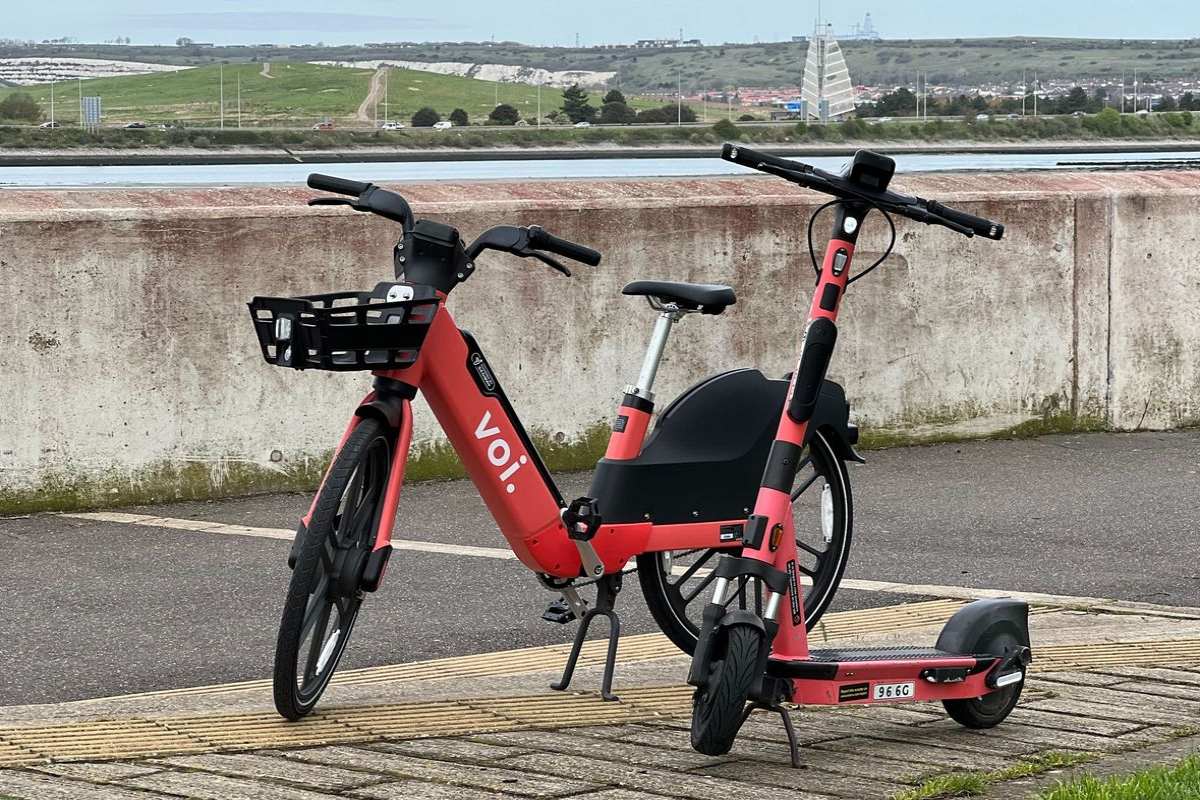
In the Solent region, Voi sees an average of 140,000 rides a month
What we need now is a clear timeframe. Riders, operators and councils alike need to see the government using the trial extension period to bring forward legislation that unlocks shared micromobility for any council that wants it, and better regulates private e-scooters. Introducing legislation would do two things. First, make shared e-scooter schemes permanent. Second, clarify the law on private e-scooters, ensuring they adhere to the same strict standards on speed, weight, power and battery safety as shared vehicles.
While the UK faces delays, other countries are getting on with it. In cities like Oslo, known for its order, cleanliness and careful planning, clear legislation has unlocked for integrated micromobility. We’ve facilitated over 32 million e-scooter and e-bike rides, and the live availability of our vehicles is signposted at bus and train stations to encourage multimodal, sustainable journeys.
Borough-by-borough rules have created a patchwork system where riders are welcomed on one street and forced to dismount their bikes on the next
We have a key opportunity now, as we look ahead to the King’s Speech, which is likely to closely follow the local elections in May. If we don’t use this, we’re left with the worst of all worlds: uncertainty for operators wanting to invest in communities, confusion for users, a proliferation of illegally used private vehicles that don’t adhere to standards, and an enforcement problem for police and councils.
Looking specifically at London, we know that the capital has enormous potential for shared micromobility, and it needs the legislative powers to unlock it. Yet at the moment we’re stuck with what the mayor of London himself has called a “Wild West” of unregulated e-bikes.
Borough-by-borough rules have created a patchwork system where riders are welcomed on one street and forced to dismount their bikes on the next, uncertain whether they can find a decent parking space. This isn’t good enough for Londoners who want convenience and reliability.
Since we piloted our e-bikes last May, having now extended our rollout to almost a quarter of London boroughs, we have put into place a more responsible approach, making and sticking to agreements council-by-council.
Real-time data-sharing
Unlike other operators, we are sharing data with local authorities in real time. This means they can monitor our performance and hold us to account. We’re also working closely with community stakeholders to identify and help fund the right parking spaces, and growing our fleets gradually and responsibly. By keeping our e-bike hire at the same cost as a bus fare, we’re also helping more people to choose cycling as the most direct and affordable way to get around.
With the English Devolution and Community Empowerment Bill now in the Lords, we have the opportunity for Transport for London (TfL) to gain the powers it needs to make a joined-up approach to rental e-bikes and e-scooters a reality. However, for London to capitalise on this moment, we need to see faster progress from both the government and TfL. We need a pan-London tender that encourages healthy competition, affordable prices, and leading innovations, by requiring three operators, and has a guaranteed e-scooter component to maximise accessibility.
Now is the time to speak up on micromobility if you want to see greener, better-connected cities and towns that drive economic growth
Taking this action will deliver a seamless cross-borough travel experience for riders, keep footways clear, and put the authorities back in the driving seat. Again, looking to other European cities like Stockholm, Cologne and Helsinki, which have already stitched together city-wide schemes, we’re lagging behind.
If 2026 isn’t the year that UK micromobility finally leaves this limbo behind, we risk continuing to see other countries ride ahead. At Voi, we’re ready to work closely with ministers to ensure legislation is properly scheduled and gets the details right. The government has recognised both the importance of this issue and the economic opportunity it brings. Extended trials give us a clear deadline to work towards, and a cross-party group of MPs and peers, through the APPG for Micromobility, is calling for parliamentary time for regulation. This call is shared by industry voices, local authorities and road safety campaigners, including PACTS, the AA, and the UK walking charity Living Streets.
Now is the time to speak up on micromobility if you want to see greener, better-connected cities and towns that drive economic growth. We are building a broad coalition of voices from transport, business, and community groups and we invite others to join us. If you would like to be part of this conversation, and help shape the path to regulation, please get in touch.
Why not try these links to see what our SmartCitiesWorld AI can tell you.
(Please note this is an experimental service)
How should national legislation standardise private e-scooter safety and performance?What timetable would effectively transition trials into permanent shared micromobility schemes?How can TfL implement a pan-London tender with three operators?Which data-sharing protocols ensure real-time monitoring and privacy protection?How can micromobility reduce car trips and meet Vision Zero targets?Latest City Profile
SmartCitiesWorld Newsletters (Daily/Weekly)
You may also like these related articles...
BECOME A MEMBER
© 2026 SmartCitiesWorld
Smart Cities World Ltd, 27 Clements Lane, London, EC4N 7AE