
























































Discover how AI-powered digital twins are transforming urban infrastructure and how these innovations can improve efficiency, resilience, and sustainability.
Explore how data and AI is being used in urban transport networks to support planning, day-to-day operations, and improve outcomes for communities and passengers.
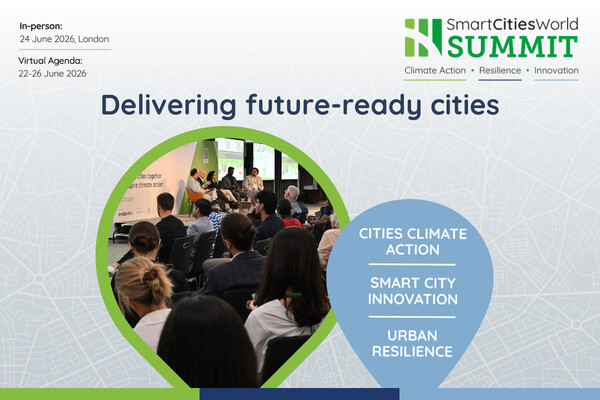
As cities confront the combined pressures of climate change, infrastructure resilience and digital transformation, the SmartCitiesWorld Summit 2026 will bring together urban leaders and partners during London Climate Action Week to explore how these agendas intersect – and how cities can translate strategy into practical action.
Find out how Sunderland is repositioning itself as a leading smart city – using digital infrastructure and low-carbon innovation to build a resilient, future-focused economy in the latest SmartCitiesWorld City Profile.
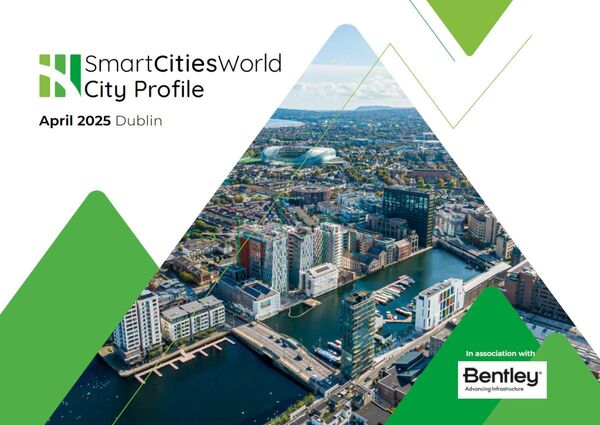
Find out how Dublin is innovating to improve experiences and services for its communities in the latest SmartCitiesWorld City Profile, including digital twin projects, traffic reduction, and economic growth.
Tune into the SmartCitiesWorld podcast to understand the world of sovereign AI for cities, featuring PNY Technologies’ Youssef Nadiri as our expert guest.
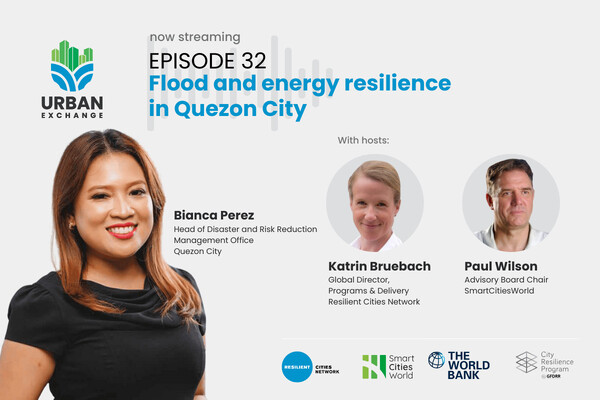
Tune in for the latest Urban Exchange where we get a first-hand account of city resilience measures from Quezon City following unexpected extreme rainfall.
How smart sensor networks can help improve indoor safety by detecting risks early, improving situational awareness and supporting healthier, more secure and sustainable buildings.
Gareth Tang, President of Urban Solutions at ST Engineering, explains how urban AI applications are set to evolve, detailing projects where AI is already making significant impact.
The Baltic Sea digital twin is expected to provide a simulated environment where it will be possible to model the effects that human activity has on the sea.
Open Energy’s goal is to make energy data sharing radically easier, giving users access to energy data held by thousands of organisations and institutions across the UK.
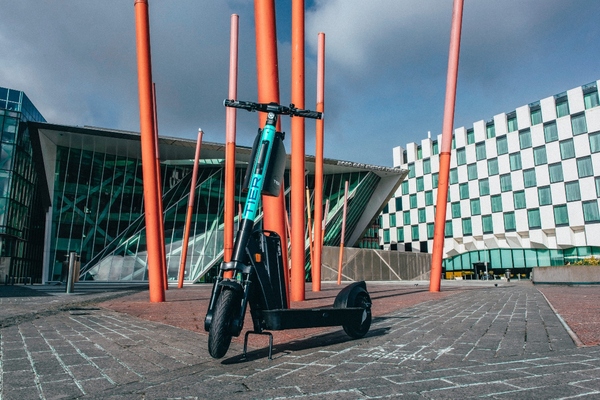
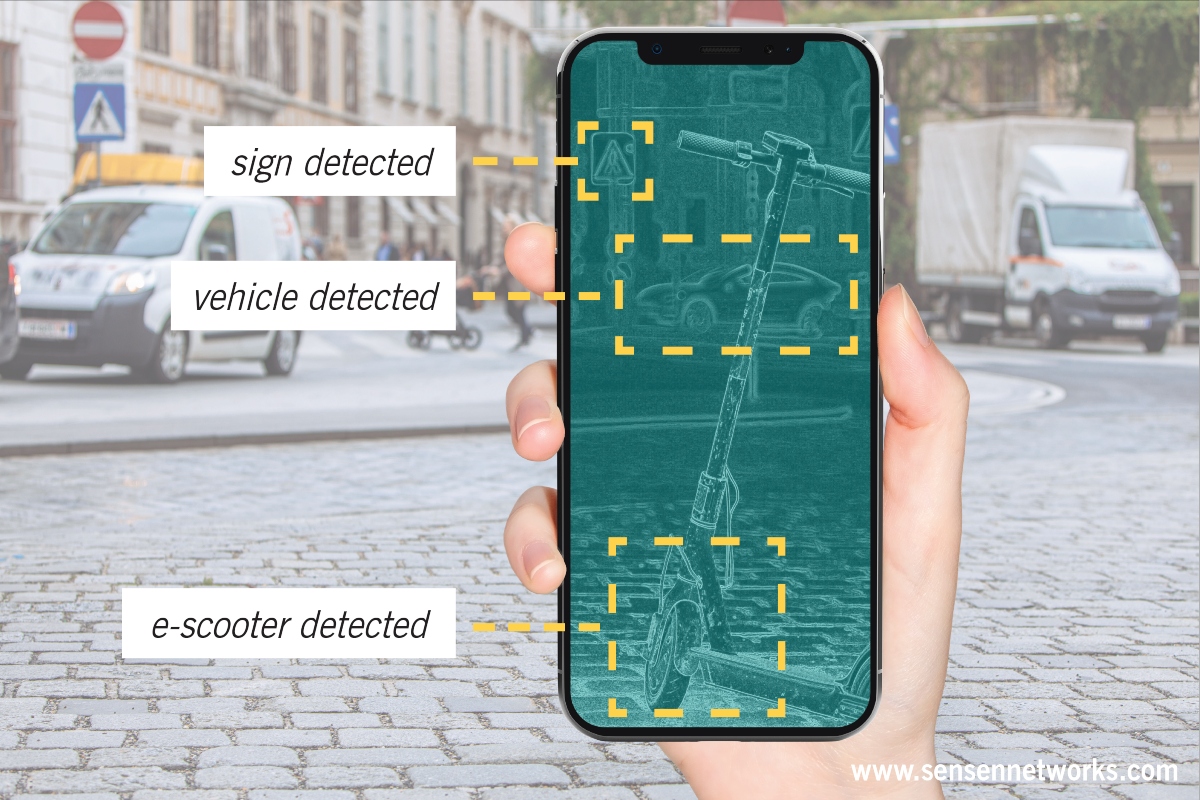
It will operate on Dublin City University campuses and aims to improve e-scooter safety and explore smart city use cases for computer vision-equipped micro-mobility vehicles.
The Collaborative Cities guide is part of Bloomberg Philanthropies’ efforts to support global municipal leaders who can adapt these lessons to their own challenges and circumstances.
Saint Paul and Minneapolis in the US state of Minnesota have joined forces to develop the mobility network comprising charging hubs on public roadways and a fleet of car-share vehicles.
The IoT-based solution treats wastewater on-site, negating the need to transport waste and recycled water and uses a series of water tanks that imitate aquatic habitats found in nature.
Increasing numbers of people are making the choice to strike out on their own. With the right mindset and expectations, it can prove a win-win for the individuals choosing this new career path and the organisations that hire them.
SenSen Networks’ AI-based technology will initially be used to automate the enforcement of hundreds of bylaws associated with regulating traffic and parking on city streets.
A new report acknowledges the potential benefits of the digital infrastructure proposals for Waterfront Toronto but questions whether they create sufficient public benefits.
Many cities around the world are looking for ways to benefit from dockless scooters and bikes while ensuring safety and reducing disruption. For them and mobility companies, this case is one to watch.
Sidewalk Labs claims 35 storeys would be the highest mass timber building so far. The team modelled how it would perform compared to a traditional concrete building of the same size.
A simple way to control personal data could foster greater trust around smart city initiatives and open up a discussion around what citizens really find valuable – an extension of participatory budgeting, giving people a say in how they ‘spend’ their data.
The deadline to decide whether to move ahead with Sidewalk Labs’ smart city development proposal has been put back to May to allow more time for public consultation.
Barcelona’s mayor is calling for a “paradigm shift” towards “a truly green economy", while Boston says the climate crisis represents a public health emergency.
Martyn’s Law, if adopted by the UK government, would compel local authorities and venues to have a clear plan for terrorism threats. Manchester will roll out a voluntary scheme early.
High rate of start-ups and businesses, including 11,000 digital and tech firms, and its population diversity are among the factors boosting the Berkshire town’s entrepreneurial credentials.
Cities have often benefited from innovation but have not typically led the charge, says Betsy Plattenburg, executive director of Curiosity Lab at Peachtree Corners. But times are changing.
The European declaration will help to define the ethical, financial, legal and technical framework for digitalisation in cities and communities across Europe.
According to Freedom of Information data obtained by Tech London Advocates, 31 out of 33 London boroughs have no specific strategy for enabling the rollout of 5G networks.
New mobility options can improve the livability of cities but without the right strategy could have the polar opposite effect, say authors Giel Mertens and Rolf Bastiaanssen of Bax & Company, and Nico Larco of the University of Oregon.
While technology can help improve life in cities for people with disabilities, there’s a risk that without adequate oversight and appropriate input, it could widen inequality. Three city leaders share their ideas!
Report found that cities’ ability to drive innovation depends most on bold leadership, dedicated staff with the right skills, and a strong focus on data to set targets and measure outcomes.
The project will integrate efficient infrastructure with transparent and effective governance, supported by the “intelligent application” of smart technology.
Scott Shepard, Chief Commercial Officer, Free2Move, highlights lessons learned in Europe and North America about how to succeed with shared mobility so that cities can leverage the best from mobility innovations and investments.
The City has stated its aim to be the most inclusive and accessible city in the US but the lawsuit notes that only 11 of Chicago’s 2,762 signalised intersections are accessible to pedestrians who are blind or have low vision.
The High Court ruled in favour of South Wales Police in the UK to allow the continued use of automated facial recognition but the technology remains controversial.
The Coalition for Green Capital has published a white paper illustrating how, with just $35bn capitalisation, the bank could raise the funds from public and private investment.
Dubai Future Council for Blockchain event brought together various government departments and private companies with a vested interest in smart city technologies.
The Information Commissioner’s investigation follows concerns reported in the media regarding the use of the technology in the King’s Cross area of London.