








































Join Barcelona and Kyiv for this webinar as we look at how edge AI applications are coming to cities and supporting positive outcomes across mobility, lighting, and safety.
Andrea Sorri of Axis Communications explains how AI can be used to maximise insights from existing infrastructure and enable cities to avoid the costs of deploying new sensors.
Latest research from Berg Insight finds cities want digital solutions that deliver tangible outcomes, marking a shift away from tech-led experimentation.
Iveda’s new capabilities aim to transform existing intersection cameras into real-time traffic intelligence, enabling cities to enhance existing infrastructure.
The Virginian county is strengthening public safety with a faster, more connected approach to emergency response using Hexagon’s public safety platform.
Transparent Cities programme evaluated 11 cities to discover how user-friendly and mature the digital service infrastructure is for citizens and businesses.
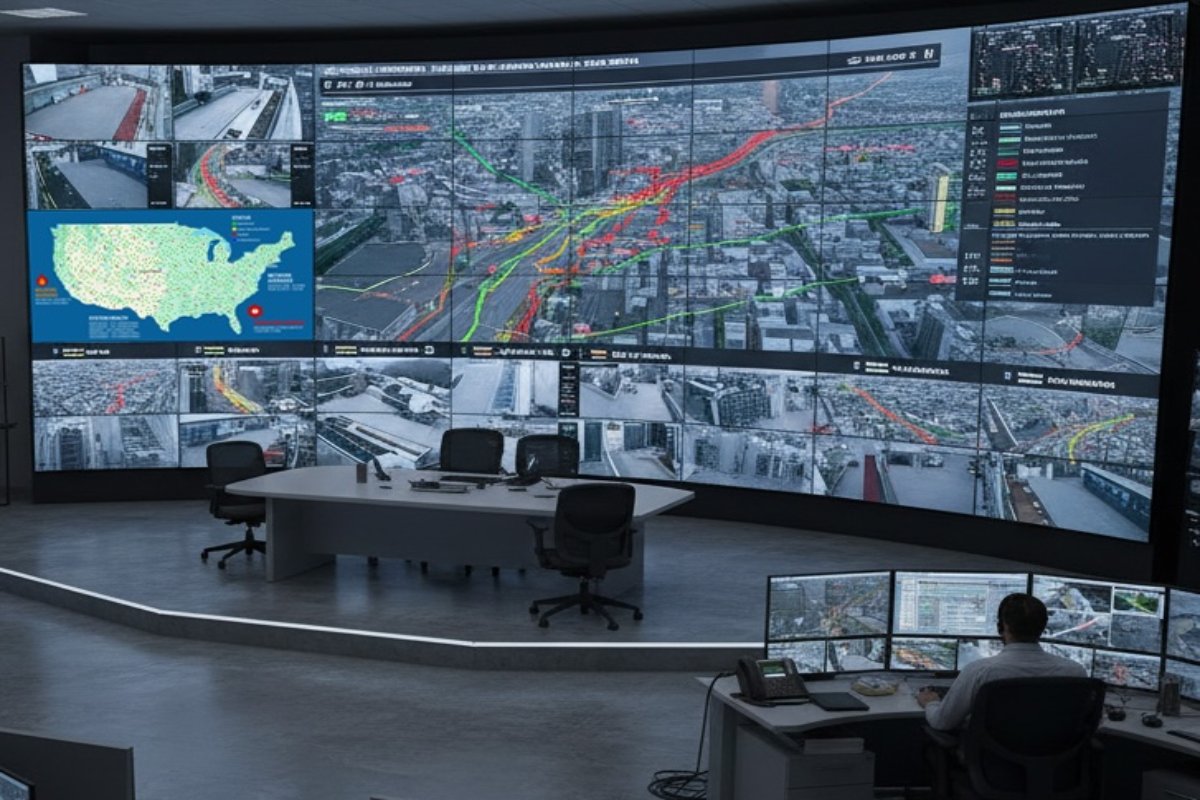
Terbine’s Mission Control system is designed to manage the complexity of autonomous systems at scale and ensure humans are kept in the loop in smart cities.
The plan, shaped by input from nearly 3,000 residents, introduces new safety measures, updated crash data and coordinated actions across city departments.
The Human Rights Campaign Foundation has released the 2025 Municipal Equality Index, revealing a record number of cities achieving top marks for inclusion.
By using renewable infrastructure to support AI workloads, the town illustrates how municipalities can deploy AI responsibly without compromising climate goals.
Andrea Sorri of Axis Communications explains how AI can be used to maximise insights from existing infrastructure and enable cities to avoid the costs of deploying new sensors.
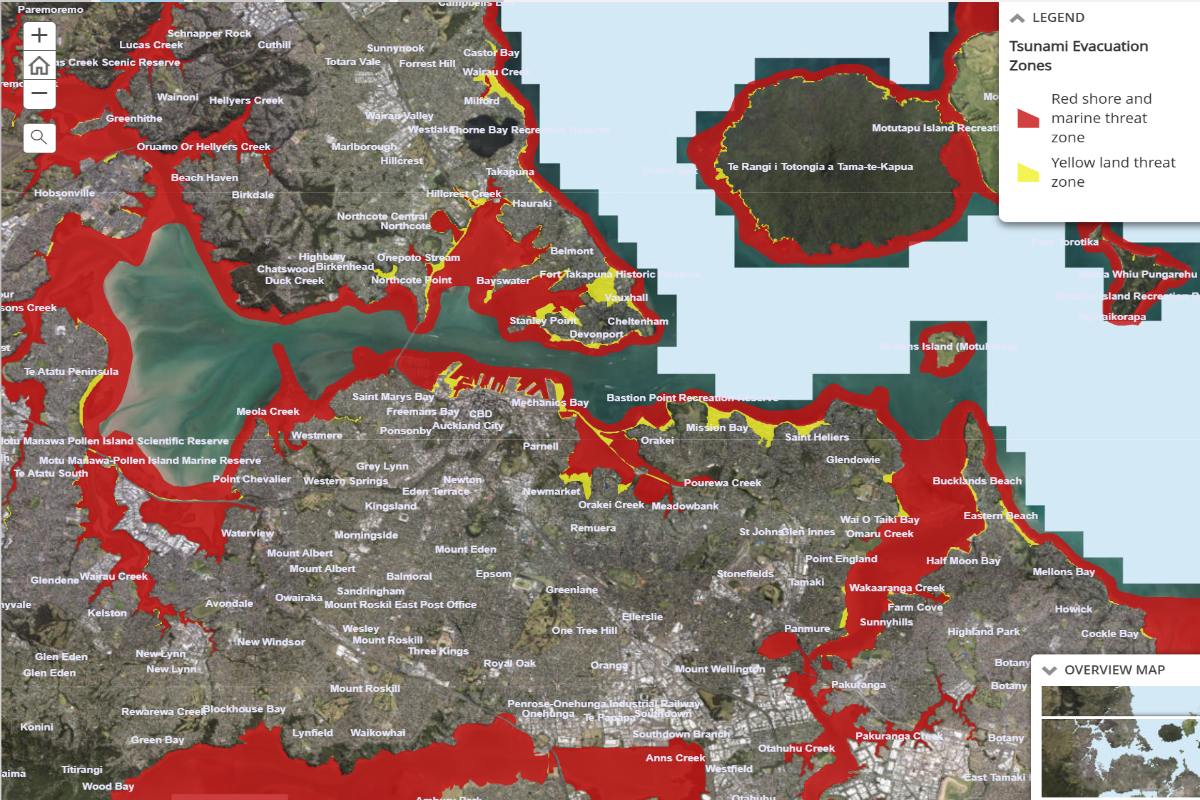
Action plan sets out a roadmap to strengthen tsunami resilience and give communities and individuals tools to protect themselves during a tsunami emergency.
System sends real-time digital alerts when a vehicle with activated emergency lights approaches, or is near drivers utilising systems like Waze and Apple Maps.
Eight cities were recognised in the speed challenge initiative for advancing road safety through policy and implementation of speed management measures.
North Texas Innovation Alliance’s 2025 pitching challenge aims to underline the importance of supporting international innovation and economic development.
Justin Anderson, Managing Director for Data and Digital at Connected Places Catapult, explains how a new role for him coincides with national and local innovation priorities, and how to make good on the potential of devolution.
When community members call the non-emergency Police Department line, they will be greeted by a conversational AI system capable of speaking 36 languages.
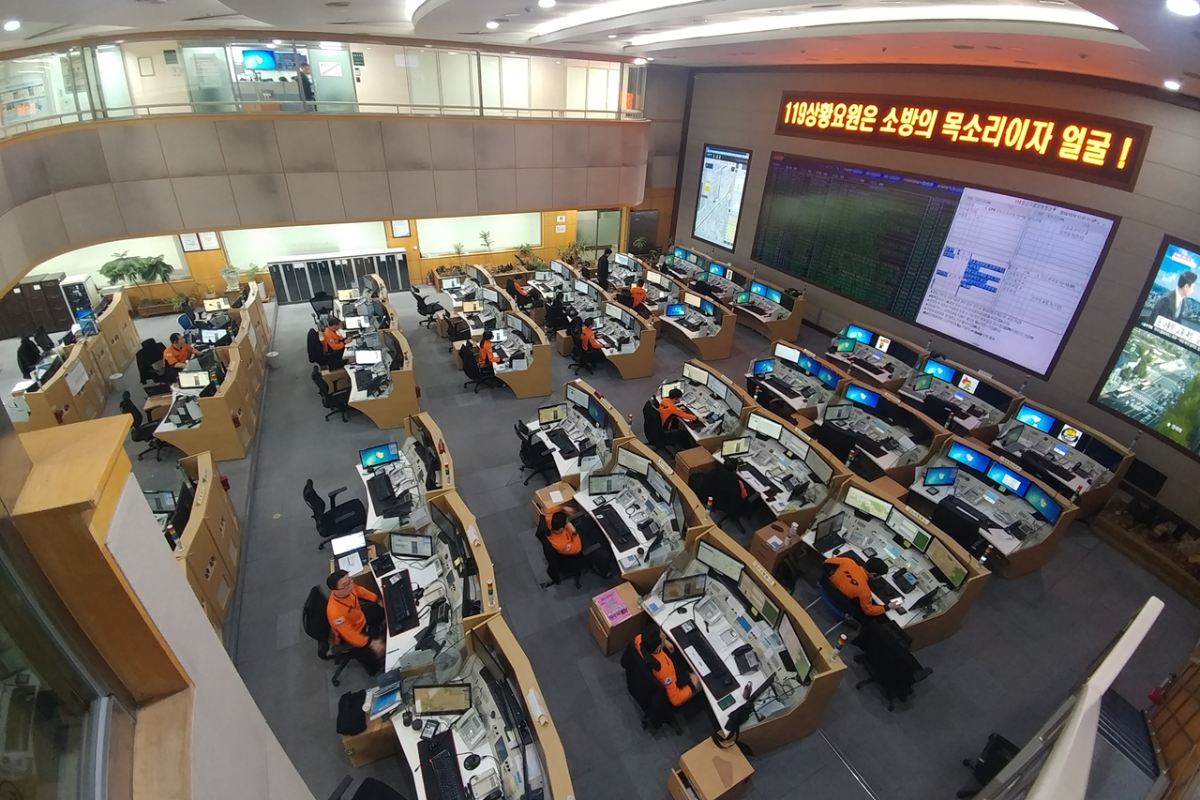
Pilot artificial intelligence callbot service takes emergency calls, prioritises urgent incidents and analyses overlapping calls to detect major disasters early.
Raffaele Gareri, founder and partner Urban Innovators Global and former CDO of Rome, explains why innovation in cities must begin with people, and how to deliver the best outcomes to communities through innovation projects.
Mayor David Holt of Oklahoma City explains how political agreement and tolerance has helped create a city and community that ensures investment in its future is paramount.
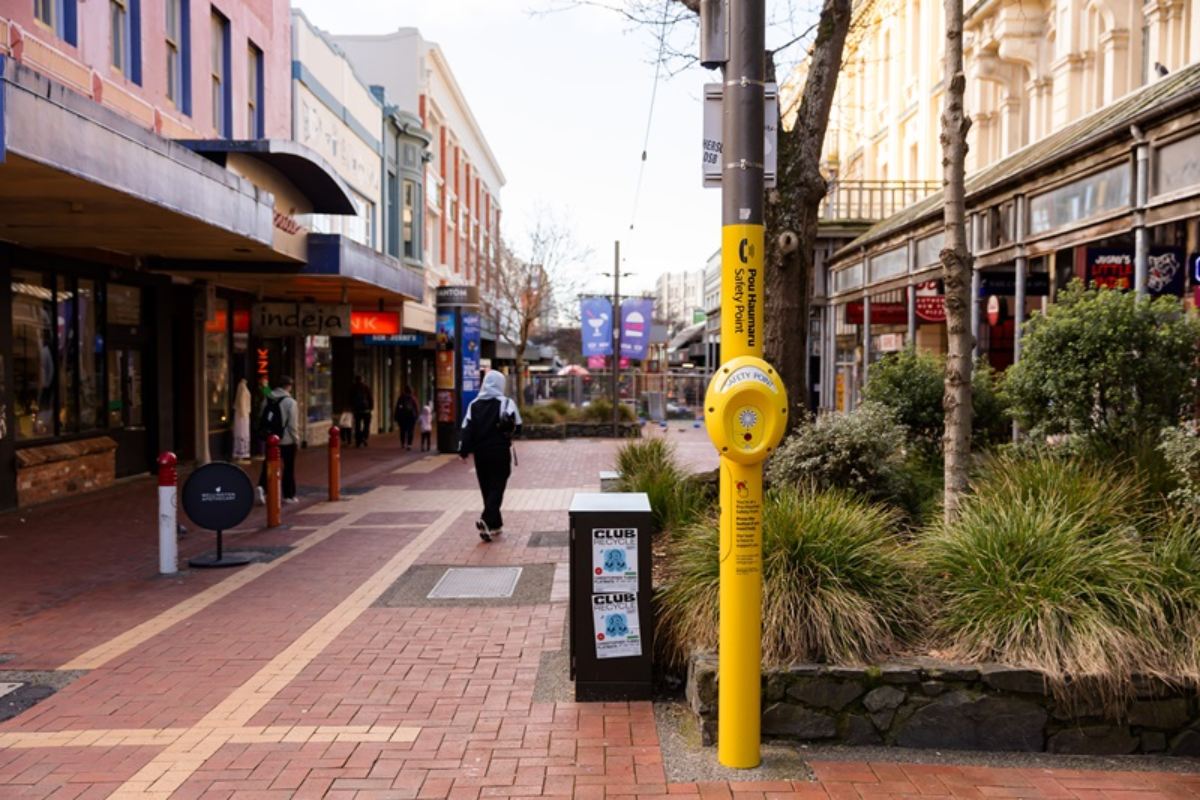
Safety Points intercoms have been installed at three locations and connect people to help immediately, if they’re feeling unsafe or need support in the city.
The new city-run account on the free Citizen app, NYC Public Safety, provides users with real-time notifications about nearby emergencies and ongoing incidents.
Discover how AI, edge computing, and IoT are revolutionising urban management and how to leverage these cutting-edge technologies to build smarter, safer, and more connected urban spaces.
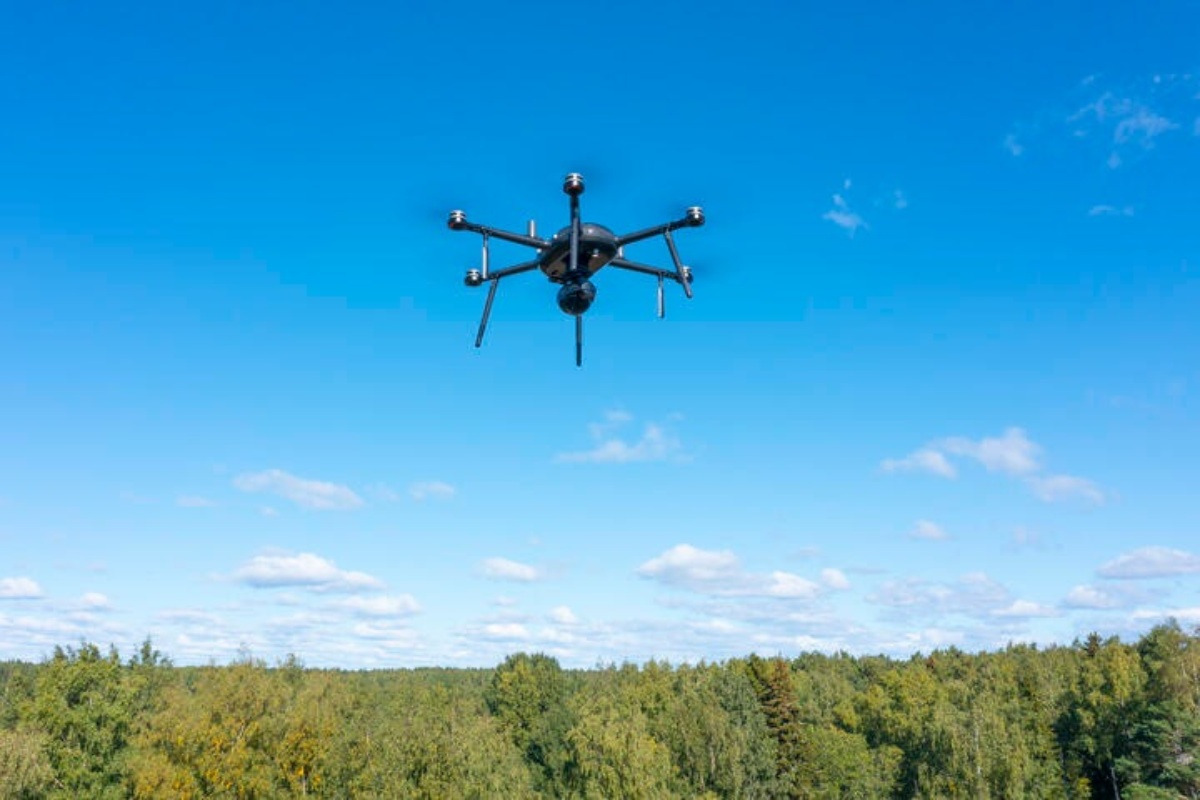
Vision 4rescue is a system of interconnected tech, including drones, urban furniture and EVs, that aims to increase efficiency of rescue and emergency services.
It will support the south of France city’s long-term objectives, including AI integration and smart city expansion, while contributing to sustainability goals.
Join Barcelona and Kyiv for this webinar as we look at how edge AI applications are coming to cities and supporting positive outcomes across mobility, lighting, and safety.
Initial order worth $180,000 is expected to pave the way for wider rollout as Iveda Philippines targets $3m in smart city initiatives across the region.
Sherelle Fairweather, digital strategy lead for Manchester City Council, talks through how the city’s digital strategy has progressed in the last few years, covering its four key priorities.
Ten startups will access the lab’s physical coworking and prototyping space, which features a private 5G network for the research and development of IoT tech.
Fabiano Lucas, Mayor of São Gonçalo do Abaeté in the state of Minas Gerais, Brazil, explains how the city is creating public policy to specifically improve community happiness.
Blaize and Broadsat aim to transform telecom and broadcast towers into intelligent AI-powered edge compute nodes for real-time video and global data delivery.
IvedaAI’s automated scene analysis and camera configuration allows organisations and governments to scale a few cameras to massive networks in record time.
Thames Valley CCTV Partnership collaboration transfers CCTV monitoring to dedicated Thames Valley Police control rooms from participating local authorities.
The dashboard was created to be dynamic and evolving to reflect changes in operations and priorities over time across the city, as well as community input.
Marble Visions initiates development of a 3D earth observation satellite system in joint venture with NTT Data, Pasco Corporation and Canon Electronics.
Jeanine Jerkovic of the City of Surprise explains how the Greater Phoenix region city is deploying smart technologies to mitigate the unique challenges of rapid urban expansion.
Ameresco will install and manage 56 existing city streetlight fixtures with LED equivalents to increase energy efficiency as well as improve public safety.
The Scottish capital is using Genetec software to transform safety, city services and urban planning by managing all smart city tech via a single interface.
Solution will safeguard access from remote sites and airport assets, enabling smooth passenger flows while avoiding downtimes and reducing turnaround times.
By demonstrating the power of AI and IoT to transform urban spaces, Santa Marta aims to serve as a model for future smart city projects across the region.
Linker Vision revealed its GenAI Observ platform and vision language model in Las Vegas, which enables advanced image analysis in smart city applications.
The proposed collaboration will focus on the implementation of digital technologies in the Kingdom to optimise traffic flow and enhance the end-user experience.
Solution integrates Nokia Drone Networks with Motorola Solutions’ Cape drone software to transform public safety and mission-critical industrial operations.
Actelis’ hybrid-fibre networking technology will power essential traffic management applications, including signals, cameras, and congestion monitoring systems.
It follows £30m investment in full fibre coverage as part of the Connected London programme, which also included installation of air quality and traffic sensors.
The project will map over 1000 stops and make use of the Crowdsorsa mobile game app, which has been employed in Helsinki to map crosswalks and traffic lights.
Sound detections trigger immediate alerts, enabling faster response times and helping emergency services and government agencies safeguard public spaces.
Tune in for the next instalment of the ‘AI in Cities’ interview series with Dell Technologies and NVIDIA, where we’re looking at improving city public safety.
Wayne Arvidson, global CTO of verticals, computer vision and AI at Dell Technologies, and Charbel Aoun, smart cities and spaces director EMEA at NVIDIA, dissect the possibilities that AI brings to cities for improving safety and security across public spaces and facilities.
A five-year contract with the National Treasury is facilitiating the delivery of a range of smart city services spanning utilities management to healthcare.
Juniper Research warns that video analytics vendors must build VSaaS models to include high levels of end-to-end encryption for storage and data transmission.
The phased programme will be completed in 2024 and is expected to save the council over five million kWh in energy usage, and £2m in energy costs per year.
Once a fire is identified, the system automatically alerts Austin Energy and local fire departments, providing precise location data and real-time imagery.
It enables people to pick known safe routes and share their location, as well as send an automatic alert out if a person fails to reach their destination.
As part of a contract worth £1.2m, North is deploying 100 cameras across the city to support the council’s campaign against anti-social behaviour and crime.
Wayne Arvidson, global CTO of verticals, computer vision and AI at Dell Technologies, and Charbel Aoun, smart cities and spaces director EMEA at NVIDIA, discuss how AI can be used in cities to improve personal experiences for residents and staff alike, and explain the cascading benefits of adopting the technology early.
I-Street is designed to help firms prepare to scale their offerings with the support of experienced research staff, industry experts, and prospective investors.
Featuring a range of surveillance solutions as well as demo spaces, Axis reckons the facility will allow it to build stronger bonds with partners and customers.
Svetlana Tesic co-founder, vice president international public affairs and partnerships, Mayors of Europe, discusses mayoral priorities and sheds light on those cities with the most contented citizens.
Watch our webinar, where the Captain of the San Diego police explores how smart lighting and ALPR technologies are driving a revolution in public safety in the city.