Discover how Sunderland is turning a strong, city‑wide data foundation into real‑world impact by using secure, scalable AI to transform planning, services, and community outcomes.
Discover how this year’s Cities Climate Action Summit puts the spotlight on the switch to clean and renewable energy, and the importance of energy-efficiency.
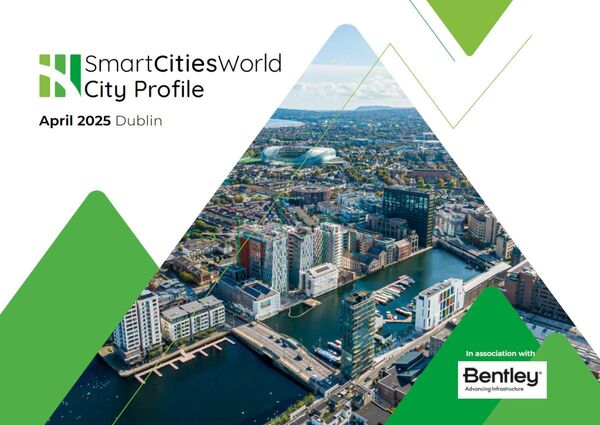
Find out how Dublin is innovating to improve experiences and services for its communities in the latest SmartCitiesWorld City Profile, including digital twin projects, traffic reduction, and economic growth.
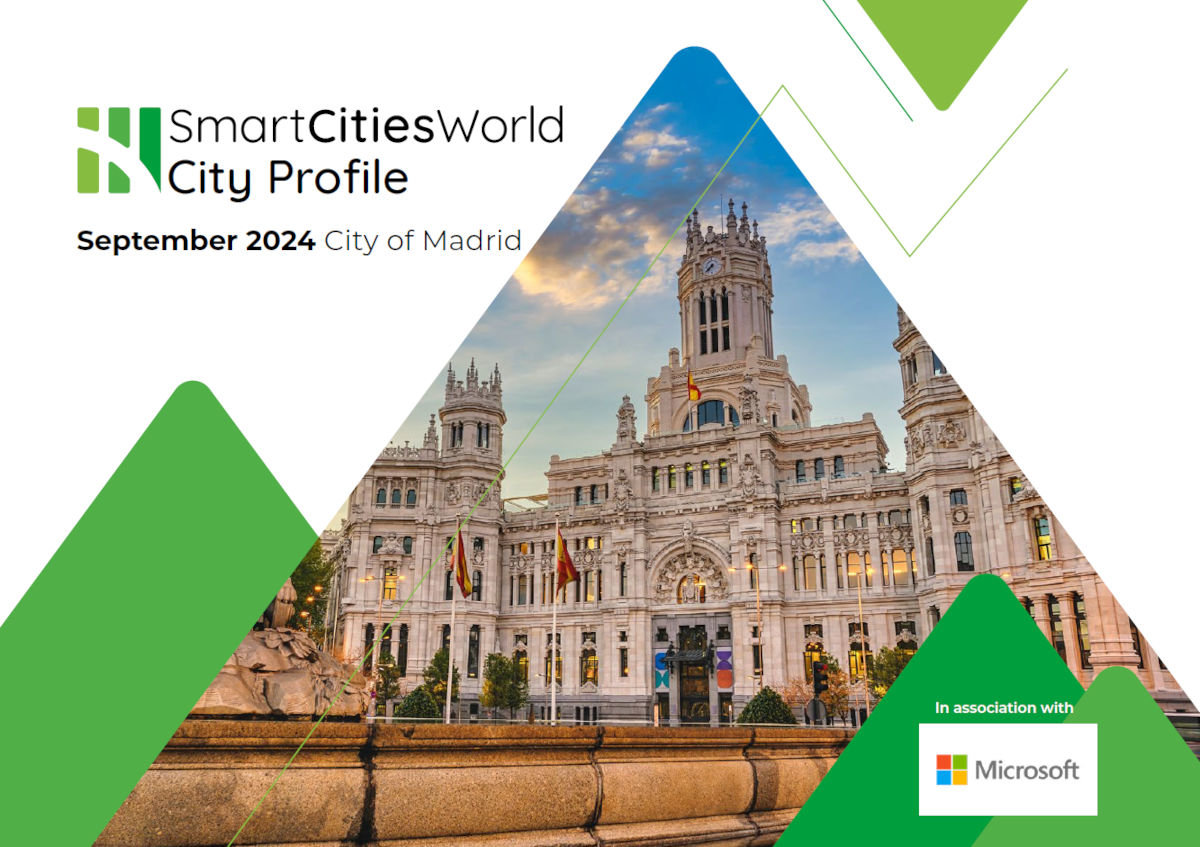
Discover how the city of Madrid is innovating to become a smarter, more sustainable city that’s able to deliver improved services to residents and visitors alike.
Tune into the SmartCitiesWorld podcast to understand the world of sovereign AI for cities, featuring PNY Technologies’ Youssef Nadiri as our expert guest.
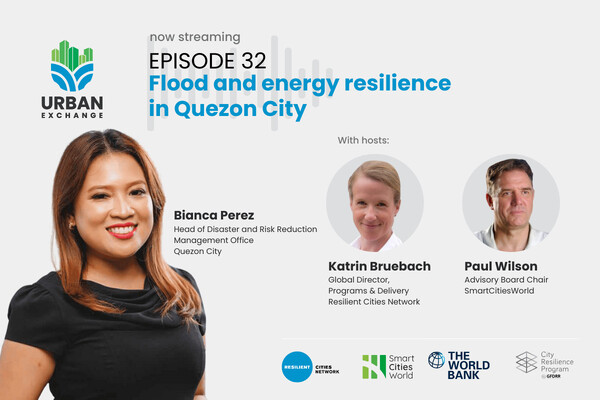
Tune in for the latest Urban Exchange where we get a first-hand account of city resilience measures from Quezon City following unexpected extreme rainfall.
Gareth Tang, President of Urban Solutions at ST Engineering, explains how urban AI applications are set to evolve, detailing projects where AI is already making significant impact.
SmartCitiesWorld’s senior editor Luke Antoniou on the launch of the new AI CityXchange, at a time where dialogue and knowledge sharing is critical between cities and their partners to use AI technology for public good.
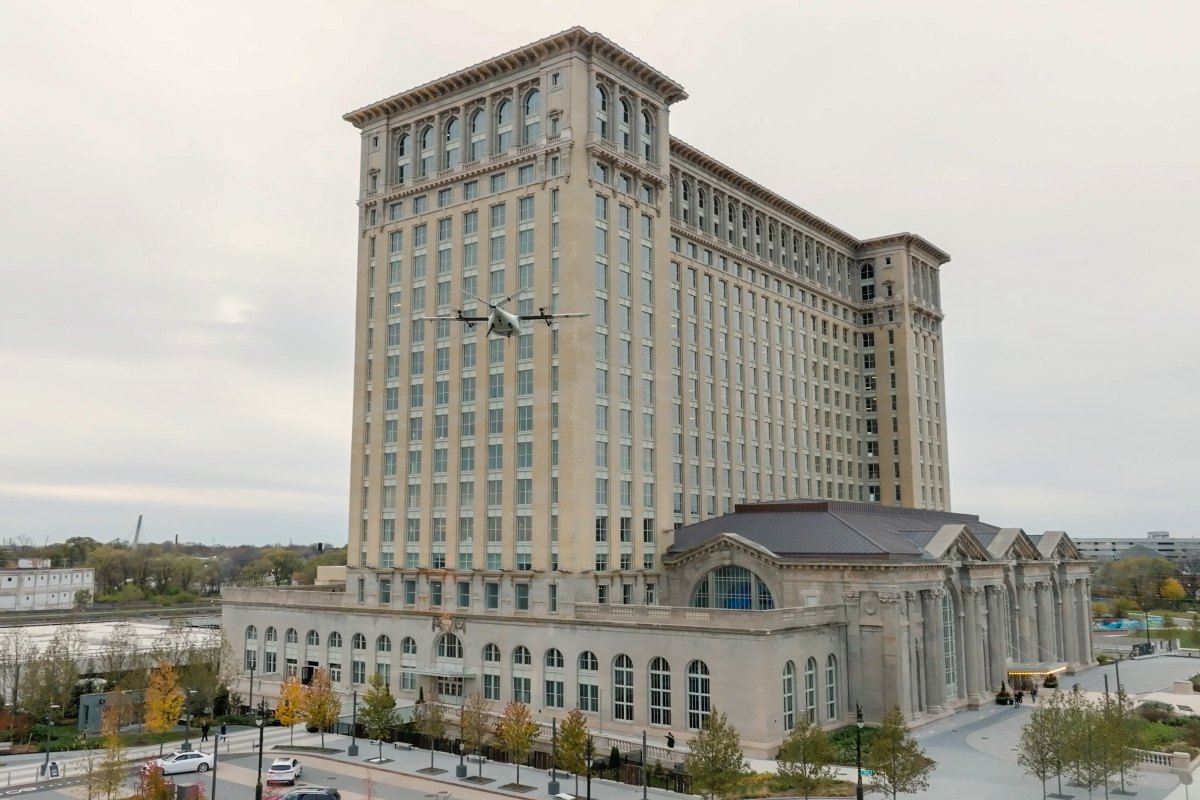
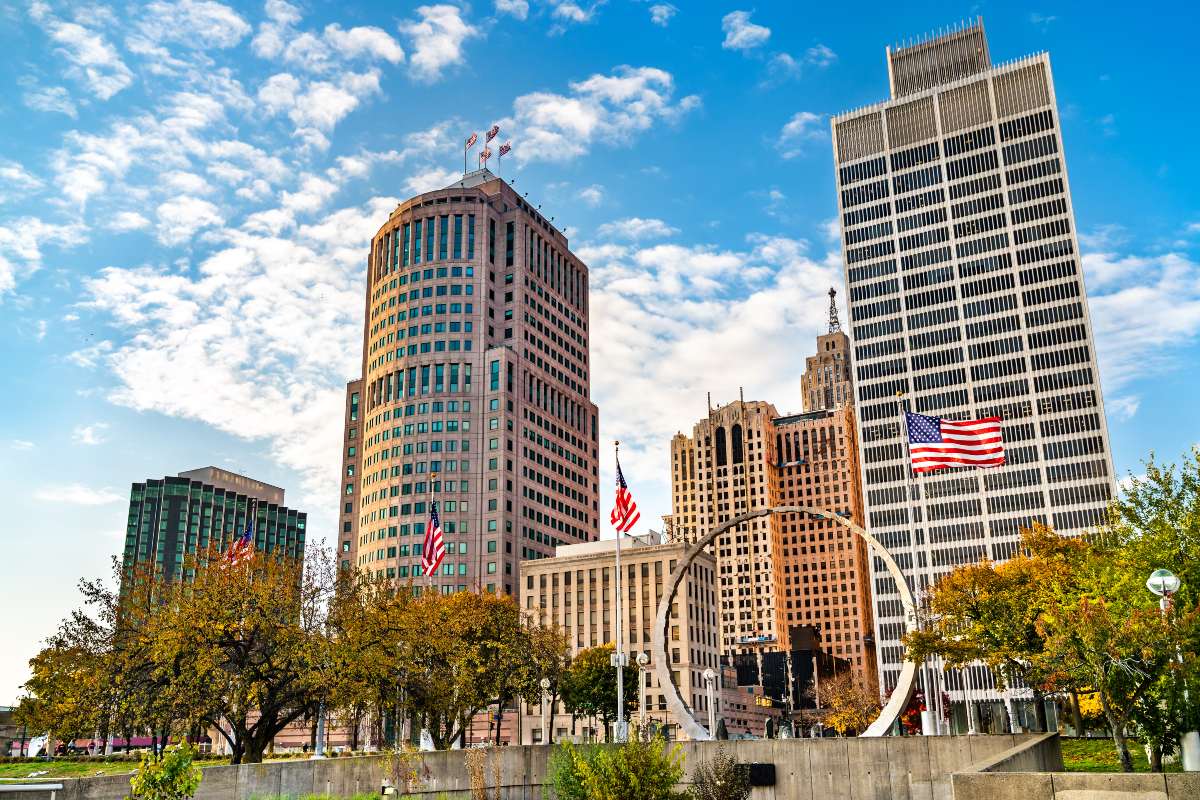
Detroit urban drone logistics pilot will demonstrate the commercial and logistical potential of middle-mile drone operations in a real-world urban setting.
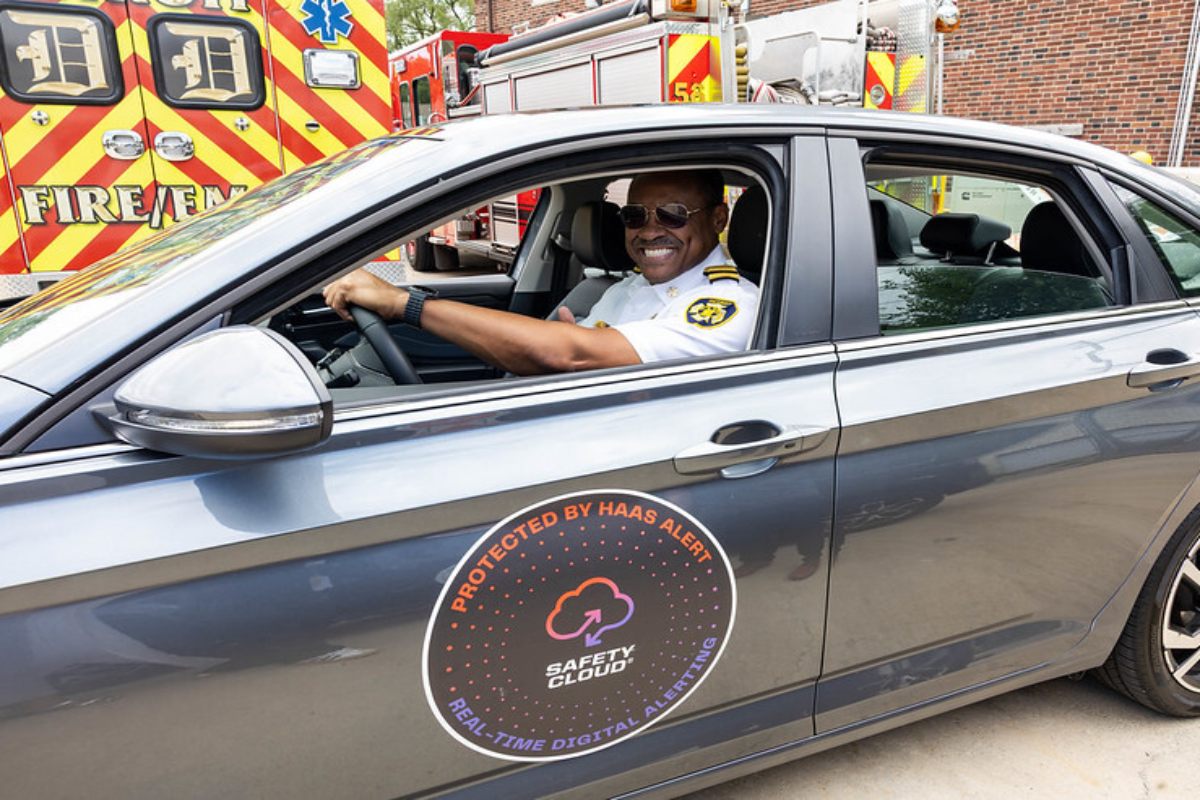
System sends real-time digital alerts when a vehicle with activated emergency lights approaches, or is near drivers utilising systems like Waze and Apple Maps.
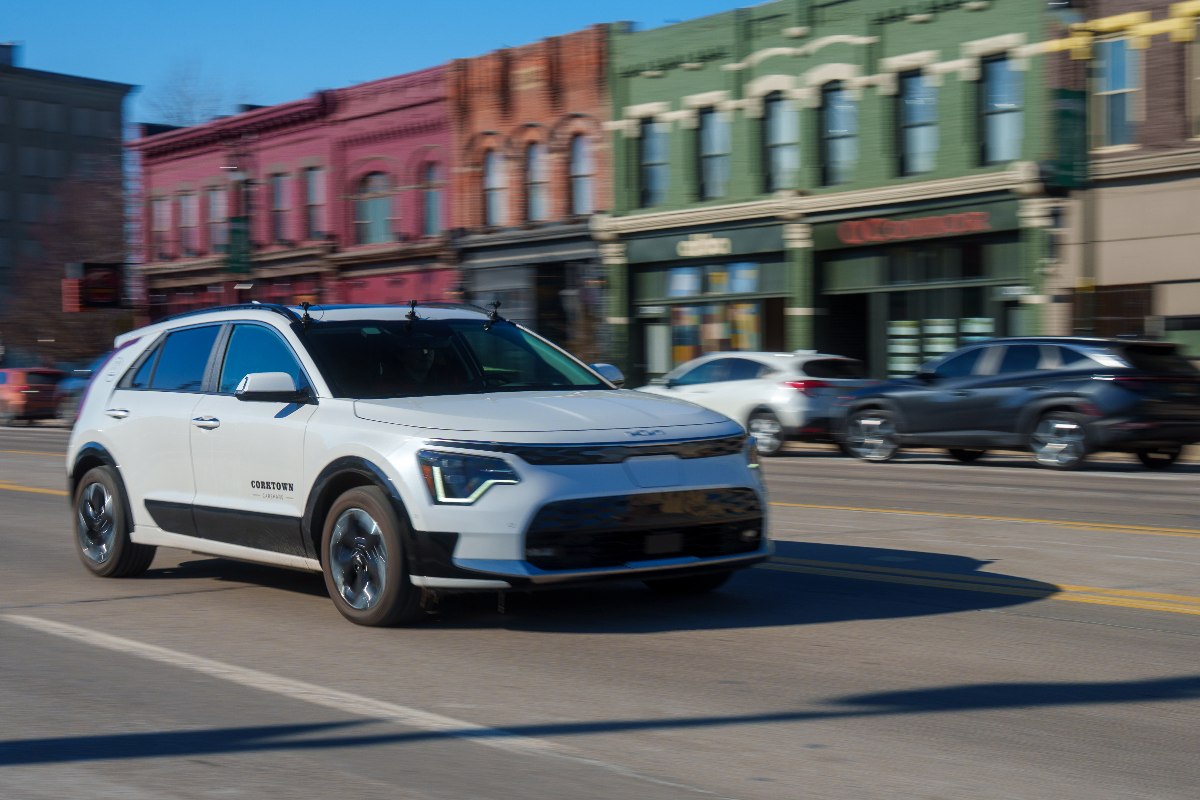
Partnership provides a pilot programme in Detroit’s Corktown neighbourhood utilising remote drivers to deploy electric vehicles autonomously – reducing car ownership.
Residents will be able to bring in broken laptops, phones and smart devices to be fixed, free-of-charge, as well as benefit from digital literacy courses.
The City is integrating an artificial intelligence invitation statement into all request for proposals issued by the Office of Contracting and Procurement.
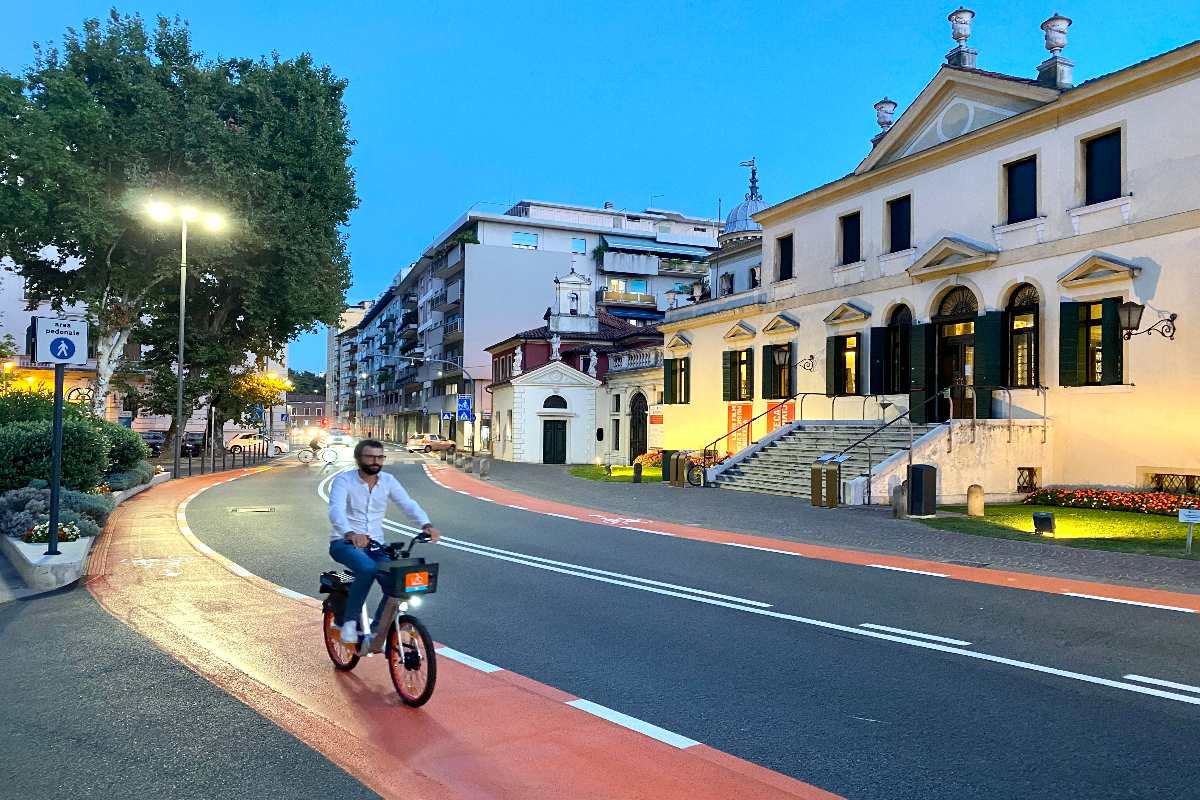
Toyota Mobility Foundation announces 10 innovators chosen for $3m Venice challenge to increase use of existing low/zero carbon transport modes in the city.
Due to launch late summer, Connect is a collaboration between the City, Bedrock, Michigan Central, and the State Office of Future Mobility and Electrification.
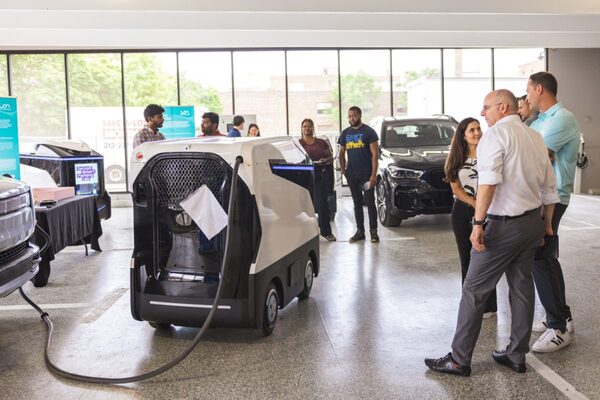
The lab’s previous 20 portfolio companies have deployed and advanced technologies focused on autonomous parking, EV charging and mobility infrastructure.
Goal of the $9m Toyota Mobility Foundation initiative is to help cities accelerate towards sustainable mobility, fostering healthier and safer urban environments.
The Alliance for Urban Innovation aims to connect urban innovators and entrepreneurs to new markets while helping to build more resilient local economies.
The city council has approved the Office of Mobility Innovation’s $2.4m contract with May Mobility to provide the service, planned for launch by autumn 2024.
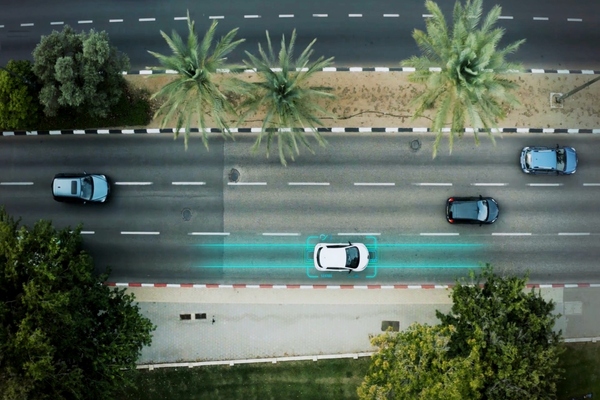
Project aims to validate dynamic wireless charging technology solutions for several upcoming pilot projects that include the Utah Inland Port Authority and the Central Florida Expressway.
As part of the project, NTT Smart Solutions will be deployed to monitor occupancy level at the venue by applying predictive and correlative analytics to the data collected from optical sensors and ticket scans.
The project will explore whether small drones can be flown beyond the line of sight of a pilot and be used in operations like just-in-time delivery, medical transport, or other small-scale deployment of unmanned aerial systems.
The new centre has selected three diverse metropolitan areas in the US to participate in a series of City Strategy Dialogues designed to help jumpstart new public-private collaboration.
The centre aims to increase public-private collaboration in cities and advance a more inclusive and sustainable model for urban development, drawing on the forum’s network.
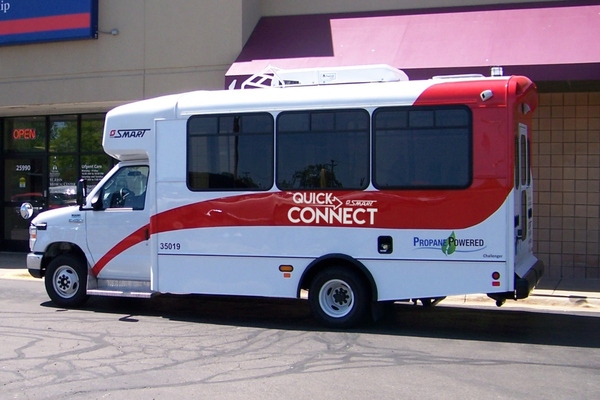
Those living in the Farmington and Farmington Hills area can plan their journeys and book their trip on the Smart Quick Connect On-Demand service, a dynamically-routed transit system.
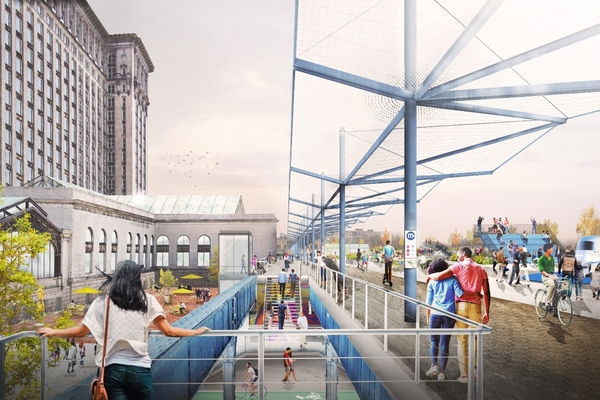
Along with a first-of-its-kind mobility testing platform and new open spaces, the site plan prioritises the needs of the community with sustainable amenities and recommends abundant green space and biking trails.
The cities of Boise, Dallas, Detroit and Tucson are among those committing to help combat extreme heat and wildfires, as well as other adverse effects of climate change, by protecting and planting more trees.
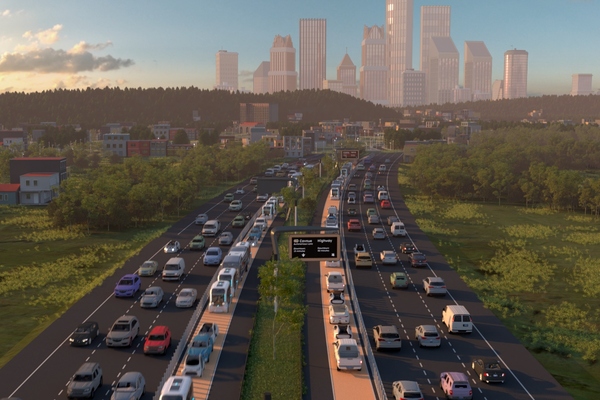
The initial phase of the project will test technology and explore the viability of a more than 40-mile driverless vehicle corridor between Downtown Detroit and Ann Arbor.
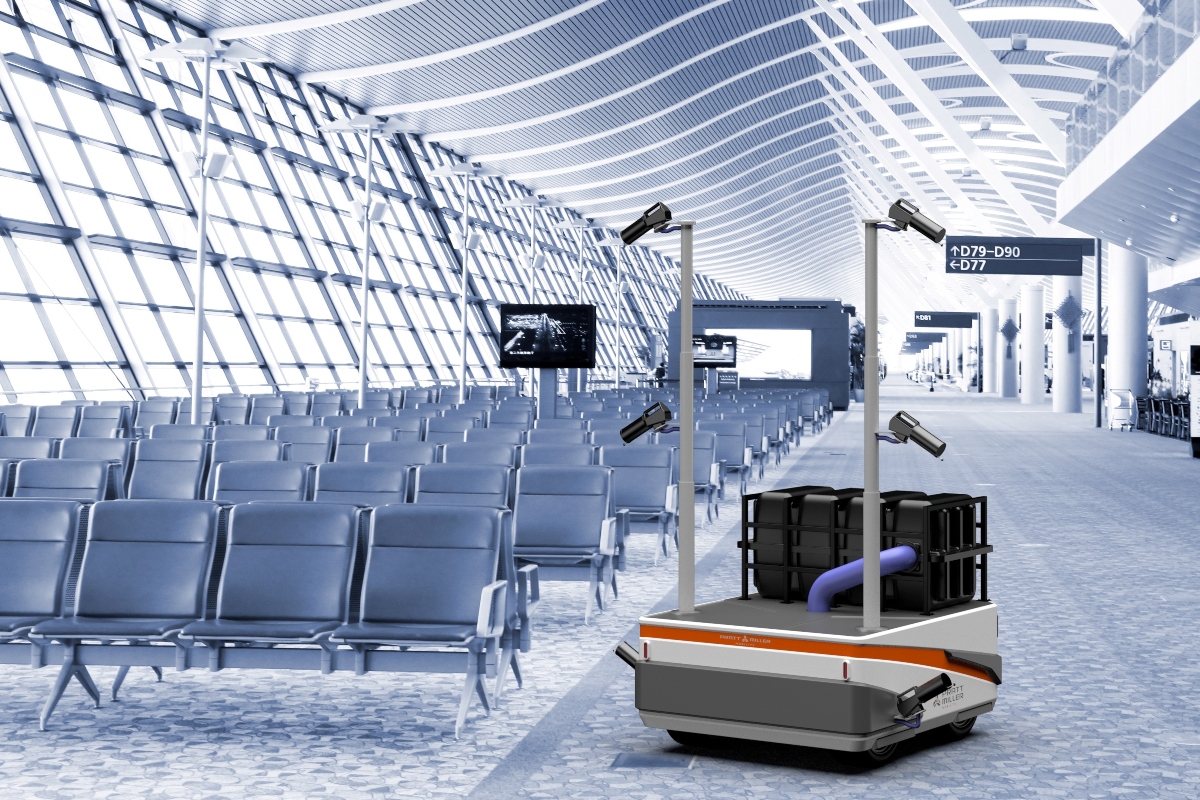
A disinfecting robot, contactless autonomous delivery system and vehicle safety partitions are among the solutions to have received funding by PlanetM’s challenge.
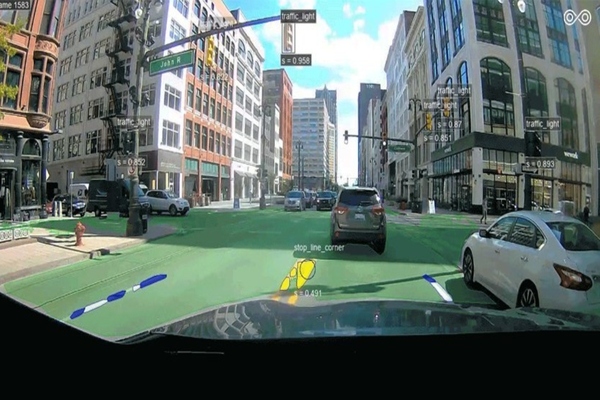
Toyota Research Institute-Advanced Development and road intelligence company Carmera have produced comprehensive, accurate mapping data for roadway features in central Detroit and Ann Arbor.
Detroiters will be able to see the technology first-hand in public demonstrations next year and book rides using a mobility-as-a-service app developed by Moovit.
Genetec’s Jean-Philippe Deby highlights critical factors that make a smart city a safe city too – these include communication and collaboration as well as technology.
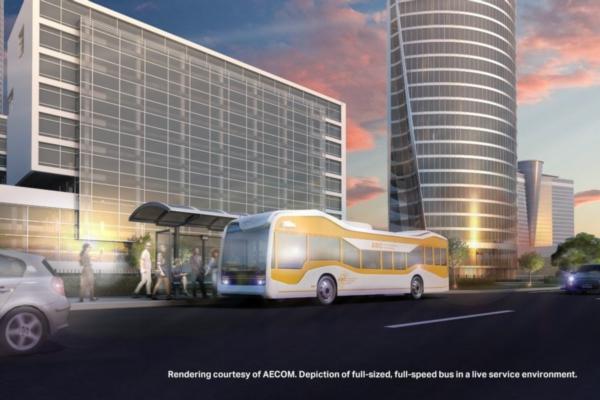
It will investigate the feasibility of implementing pilot automated bus projects across the US as well as collaborate on decision-making and combine purchasing power.
Based on insights from 50 city leaders in the US, a new handbook aims to offer guidance on how technology and innovation can be deployed to benefit entire communities.