Discover how Sunderland is turning a strong, city‑wide data foundation into real‑world impact by using secure, scalable AI to transform planning, services, and community outcomes.
Discover how this year’s Cities Climate Action Summit puts the spotlight on the switch to clean and renewable energy, and the importance of energy-efficiency.
Find out how Dublin is innovating to improve experiences and services for its communities in the latest SmartCitiesWorld City Profile, including digital twin projects, traffic reduction, and economic growth.
Discover how the city of Madrid is innovating to become a smarter, more sustainable city that’s able to deliver improved services to residents and visitors alike.
Tune into the SmartCitiesWorld podcast to understand the world of sovereign AI for cities, featuring PNY Technologies’ Youssef Nadiri as our expert guest.
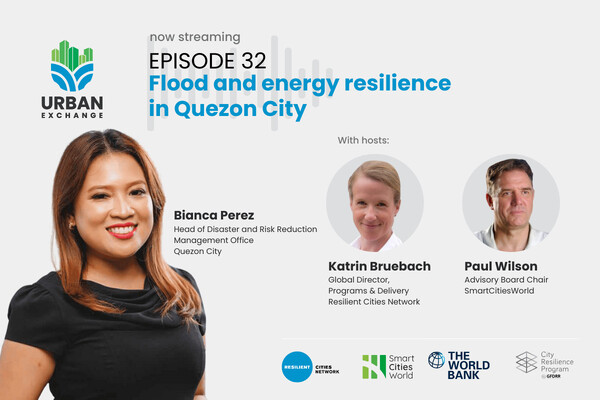
Tune in for the latest Urban Exchange where we get a first-hand account of city resilience measures from Quezon City following unexpected extreme rainfall.
Gareth Tang, President of Urban Solutions at ST Engineering, explains how urban AI applications are set to evolve, detailing projects where AI is already making significant impact.
SmartCitiesWorld’s senior editor Luke Antoniou on the launch of the new AI CityXchange, at a time where dialogue and knowledge sharing is critical between cities and their partners to use AI technology for public good.
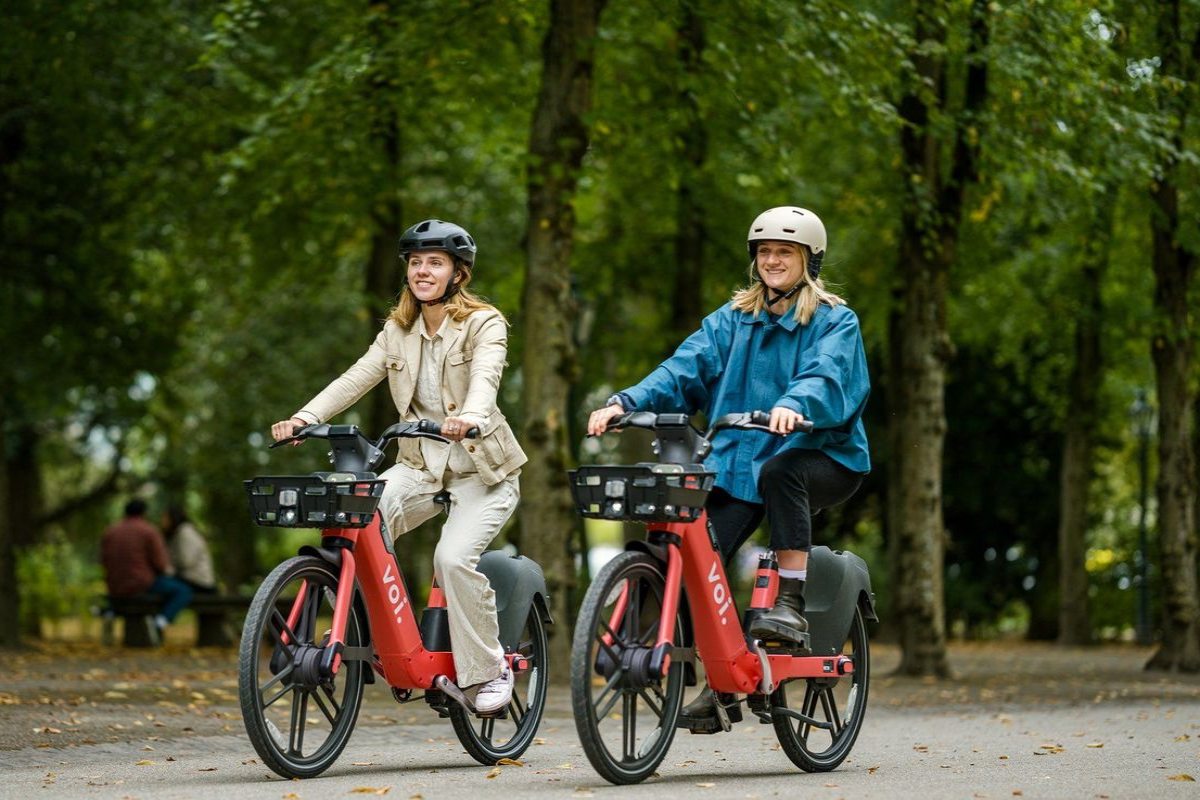
Jim Hubbard, Voi UK’s head of public policy, says now is the time to speak up on micromobility if you want to see greener, better-connected cities and towns that drive economic growth.
Research report by the C40 Cities network – spanning seven global cities – presents a compelling economic case for shifting to clean construction practices.
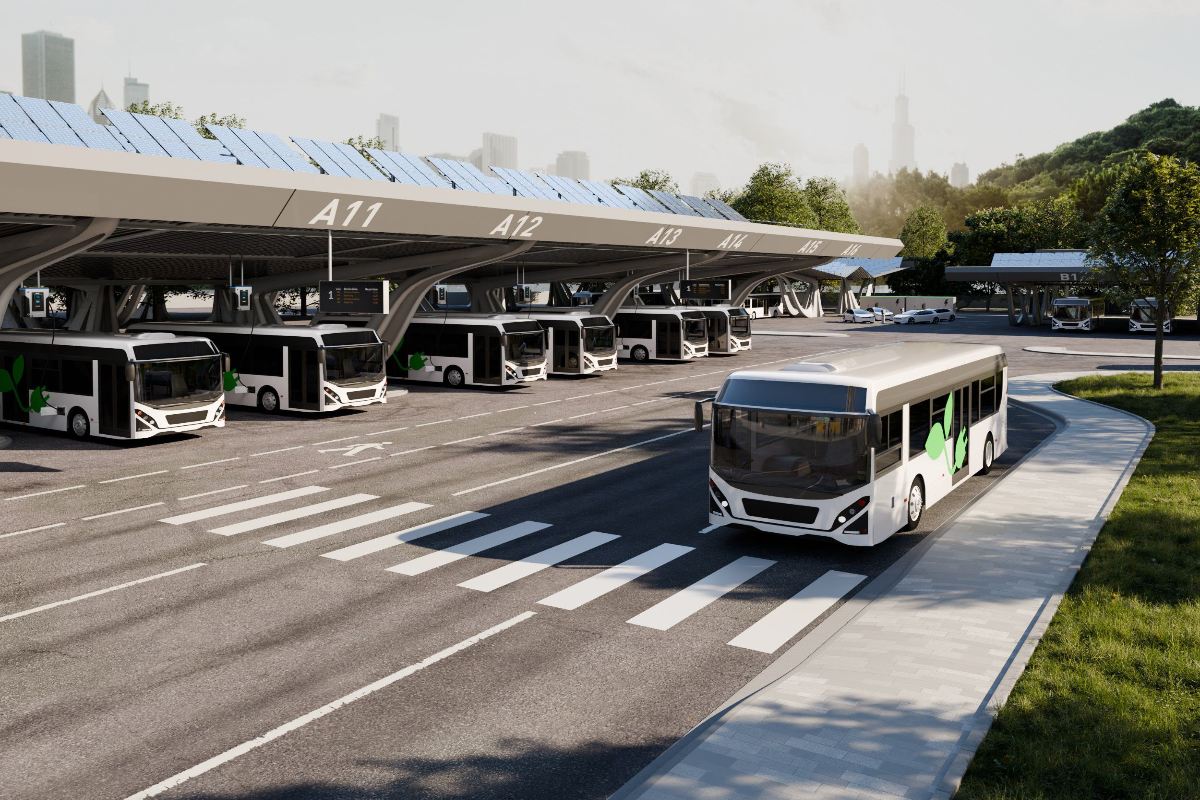
Unibuss will use Depot360 from Siemens to enable data-driven decisions to lower energy costs, reduce cost-per-mile, and increase route completion rates.
The Norwegian capital is part of the Big Buyers Working Together project, which brings public buyers together to gain more power to influence the market.
Produced by the Smart City Observatory, the index seeks to find out how technology is enabling cities to achieve a higher quality of life for their inhabitants.
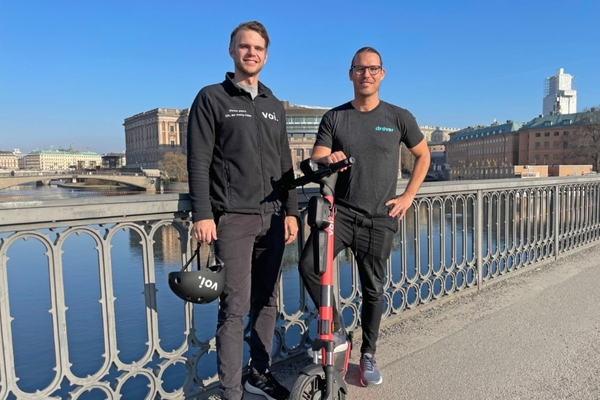
Voi vehicles in the Norwegian capital will be installed with Drover’s PathPilot AI technology to tackle pavement riding and help the operator and local authority control how and where scooters are ridden and parked.
A study by the European Environment Agency (EEA) found that cities in the north and west of Europe tend to have more green space than cities in southern and eastern Europe.
Optimisation and renewal of the complete 94km network will increase the availability, safety, and capacity of the Oslo Metro, while also equipping it to meet the future demands for mobility.
Stockholm is ranked number one in mobile sustainability thanks to continued investment in electrification and micromobility infrastructure, as well as corresponding increases in walking and cycling.
A session on zero emissions transition on Transport Day of the climate change conference highlighted the importance of international-, national- and city-level collaboration.
The 2021 survey noted that that city dwellers’ perceptions of how technology is helping to address urban challenges has been highly affected by the pandemic and its acceleration of digital transformation.
The Cities of the Future Index by EasyPark uses publicly available data to find out which cities are best adopting new technological solutions to improve sustainability and liveability.
It forms part of its Smart Bikeshare programme, which aims to meet the multimodal mobility needs of cities without monopolising transportation options or competing with local businesses.
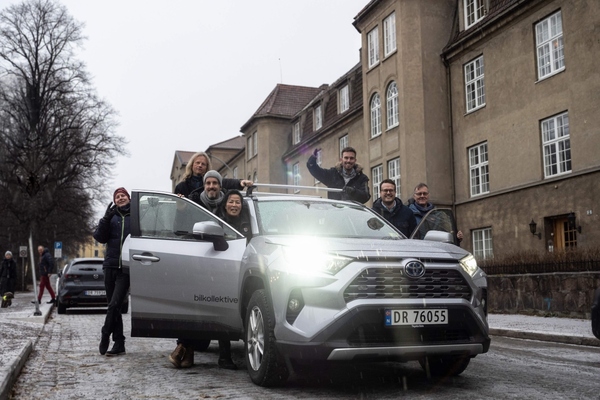
Bilkollektivet will collaborate with the shared mobility specialist, Digital Mobility Solutions, to provide a “total package” for Norwegian municipalities less equipped for car-sharing.
Oslo, Los Angeles, Mexico City and Budapest have committed to clean construction to build a sustainable future for the industry and cut emissions from projects in their cities in half by 2030.
The cities and regions are committed to act as ambassadors and champion a circular economy that leads to a resource-efficient, low-carbon and socially responsible society.
The 2020 Smart City Index measures citizens’ perceptions of the impact that technology has on their lives, surveying them on areas such as governance, health and safety, mobility and opportunities.
The study by British Business Energy examines cities across the globe to determine which offer the best and worst options for the eco-conscious worker.
The purpose of the self-driving vehicle trials is to explore ways to integrate autonomous vehicles into Ruter’s public transport service and provide new mobility services.
Oslo’s governing mayor tells SmartCitiesWorld how the city is making its streets safer, and that autonomous vehicles could help with retaining and improving the results.
Austin, Athens, Lisbon and Venice are the latest major cities to have ‘peaked’ their greenhouse gas emissions, meaning they won’t rise any further and are now falling.
Transit solution will allow residents of the Helsinki suburb of Espoo to book on-demand rides and connect to train and Metro stations in the operating zone.
A study has compared data on livability, work intensity, institutional support and legislation to rank cities based on their success in promoting work-life balance to citizens.
Projects from Chicago, Madrid, Milan, Oslo, Paris and Reykjavik have been chosen in the first round of the organisation’s Reinventing Cities competition.