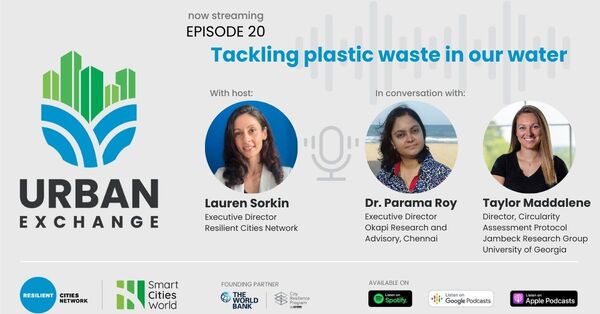
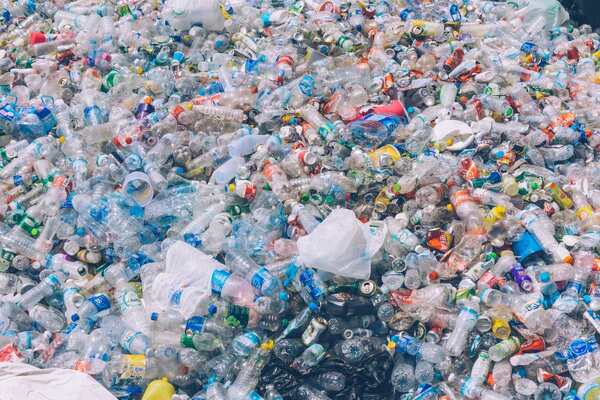
This episode of Urban Exchange brings experts together from India and the US to talk about the Urban Ocean programme, and how to tackle the scourge of plastic waste in urban waterways.
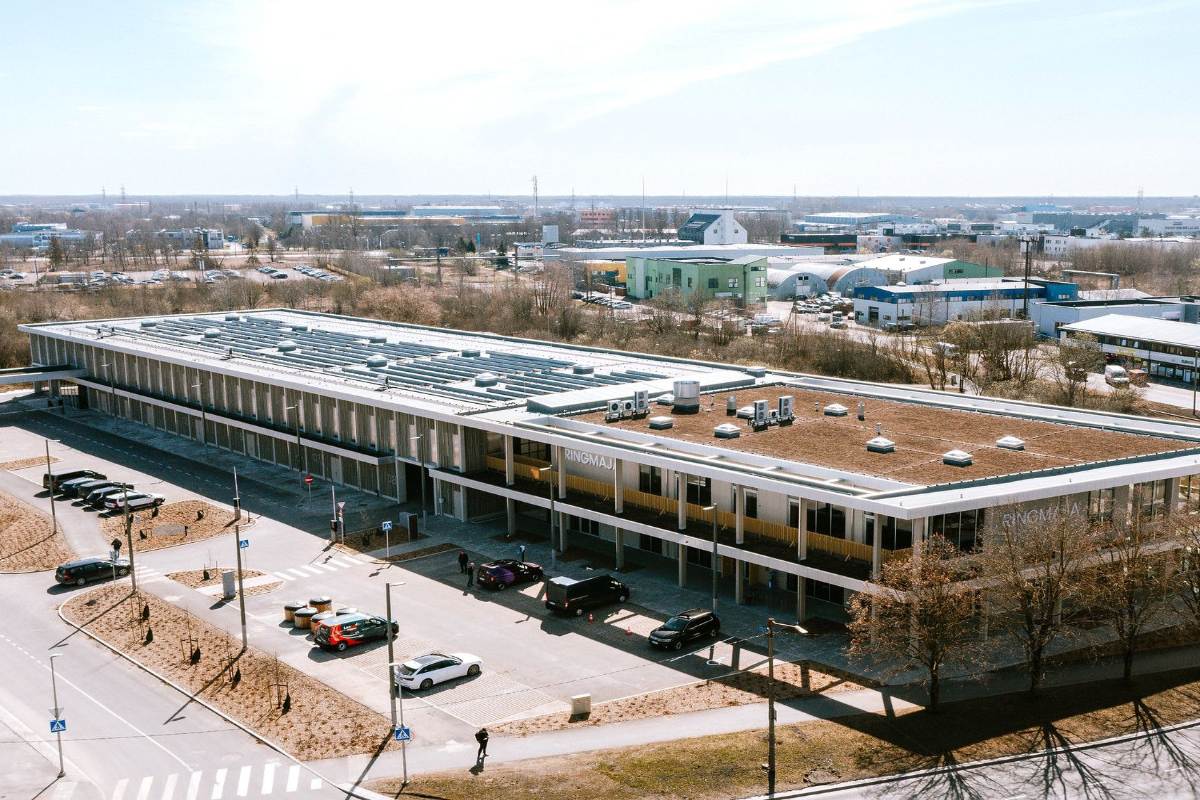
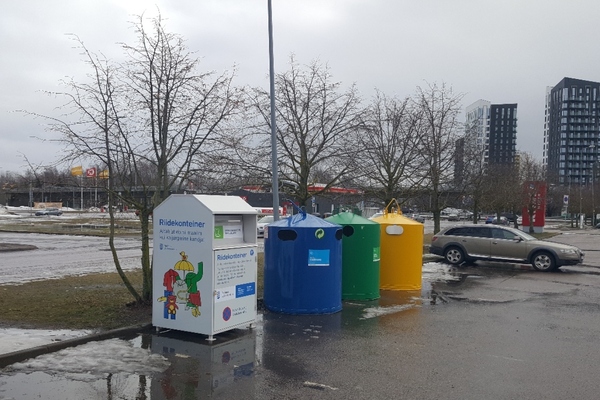
The Lasnamäe Circular Economy Centre aims to bring environmentally friendly solutions closer to residents and help embed the use of them in everyday life.
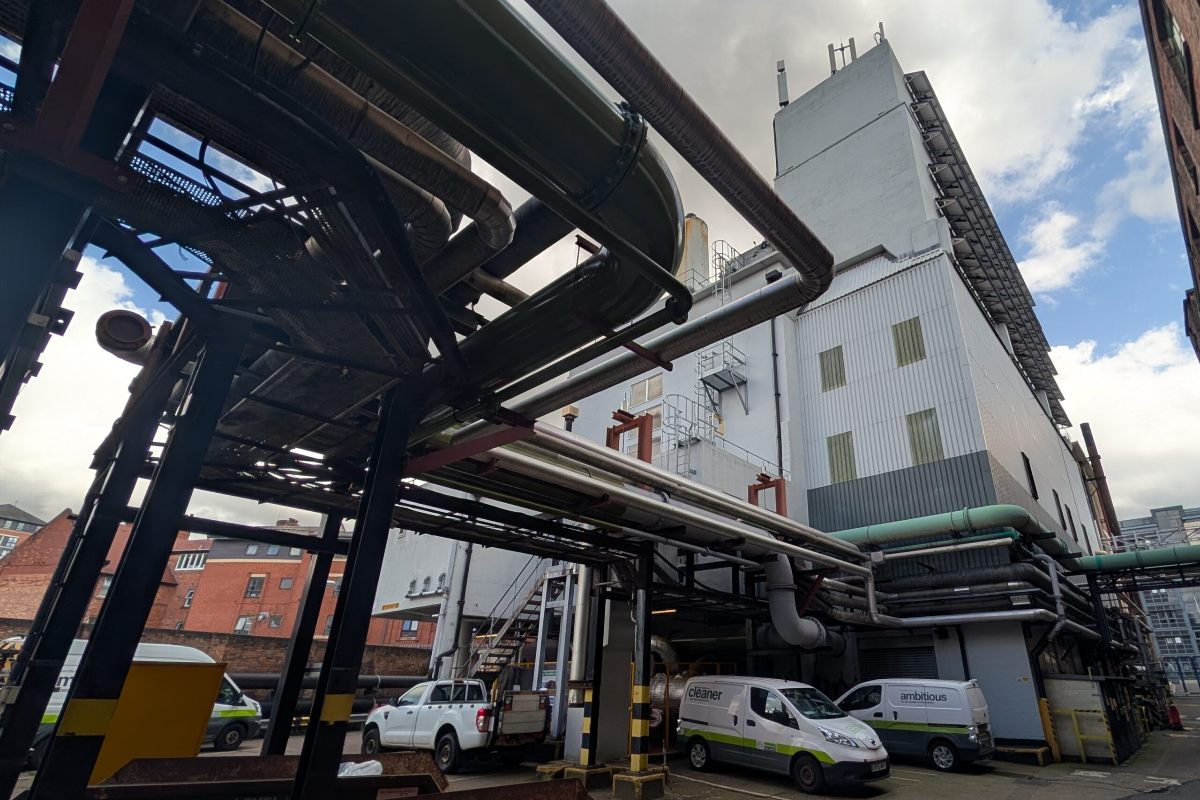
The network was ahead of its time when first launched in the 1970s, providing affordable, reliable, low-carbon heat and hot water to homes and businesses.
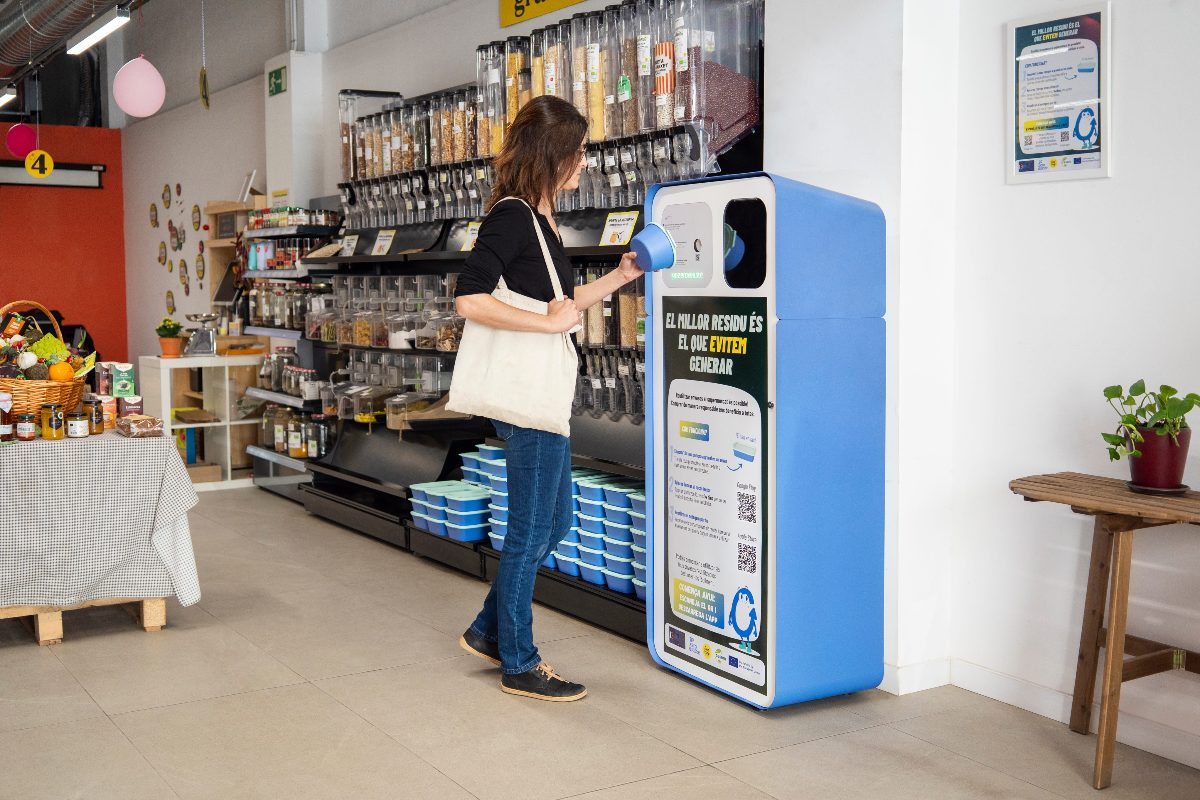
The solution enables efficient management of the entire lifecycle of reusable containers, cups, and bags, from dispensing to return, washing and reintroduction.
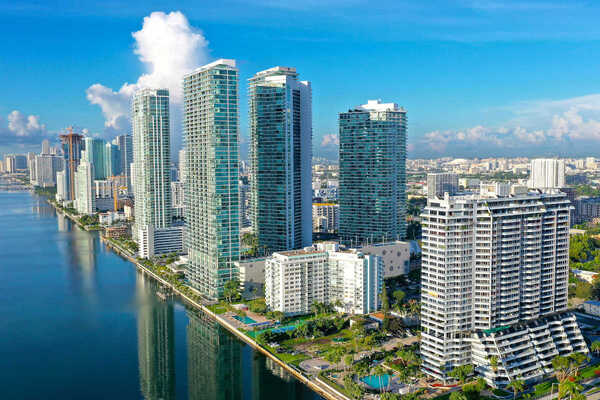
New procurement policy targets plastic reduction across city-run concessions and vendors, marking a significant step in Miami’s environmental and resilience strategy.
Projects include repairing infrastructure to unlock housing, building early warning systems to mitigate weather emergencies, and turning waste into school meals.
Latest research from Berg Insight finds cities want digital solutions that deliver tangible outcomes, marking a shift away from tech-led experimentation.
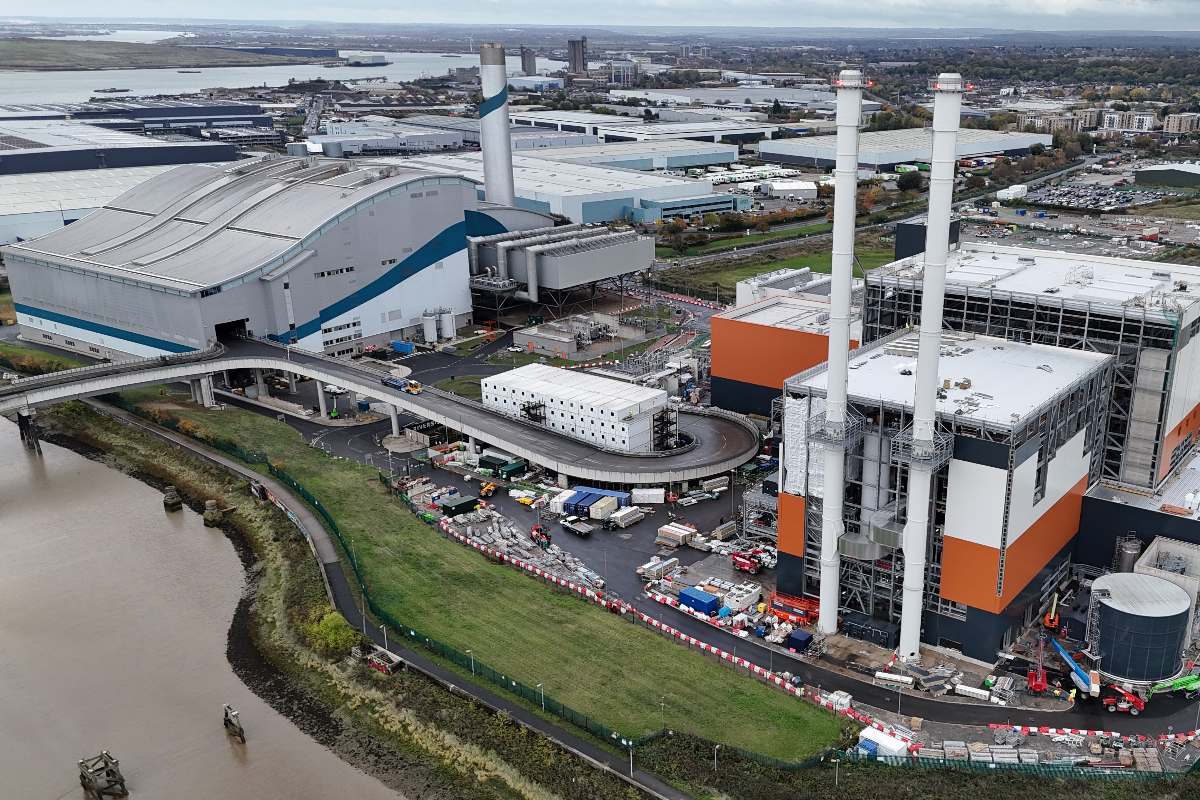
According to UKPN, Riverside 2 is projected to turn 650,000 tonnes of non-recyclable waste into energy that could produce enough power for 176,000 homes.
Thirteen engineering innovators receive £3m each to develop solutions that tackle multiple causes of the climate crisis, and mitigate and adapt to its impacts.
The tech sector could unlock $800bn in value by 2030 if tech companies reduce their negative impacts on natural systems and dependencies on natural resources.
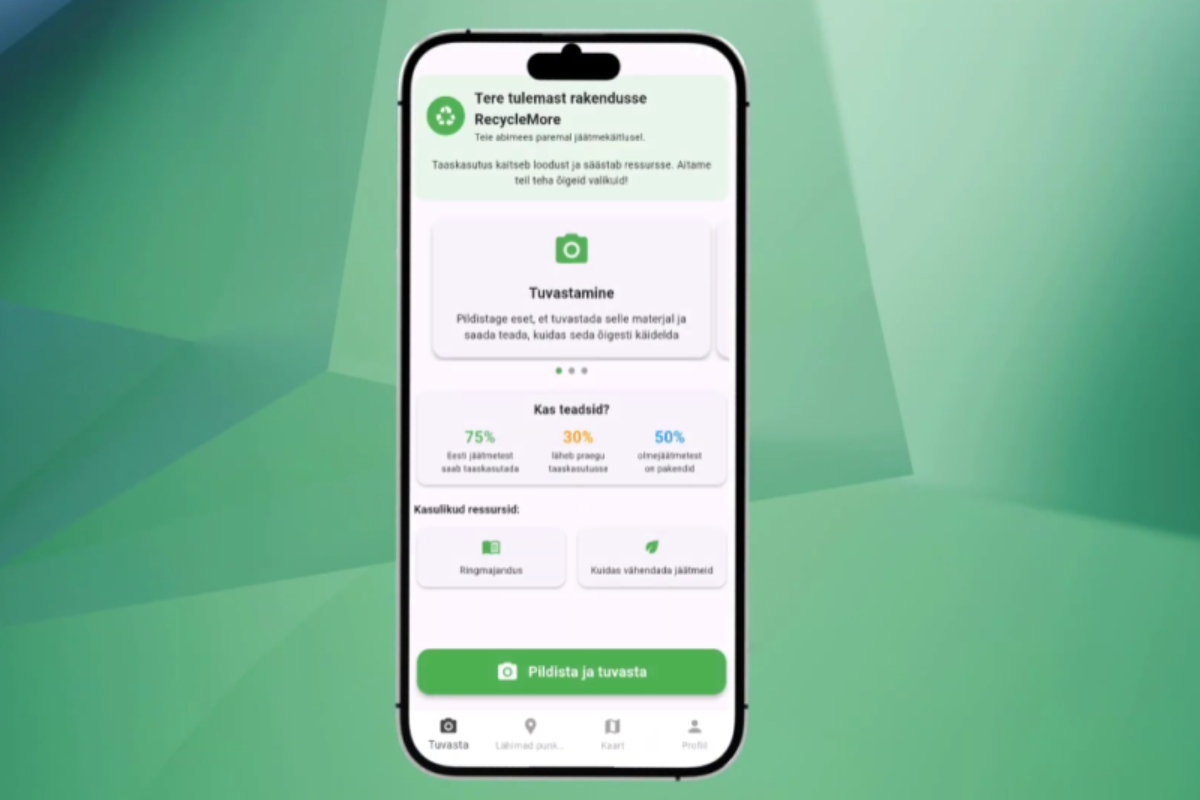
The AI-based RecycleMore mobile app allows the user to take a photo of an item, identify the material, and receive instructions on how to properly sort waste.
First city-scale heat network in Wales is delivering heat to Cardiff and Vale College with other major buildings in Cardiff Bay to follow, including the Senedd.
Data from C40 Cities reveals that 21 million good green jobs exist in the 81 cities assessed, confirming city-led climate action contributes to economic opportunities.
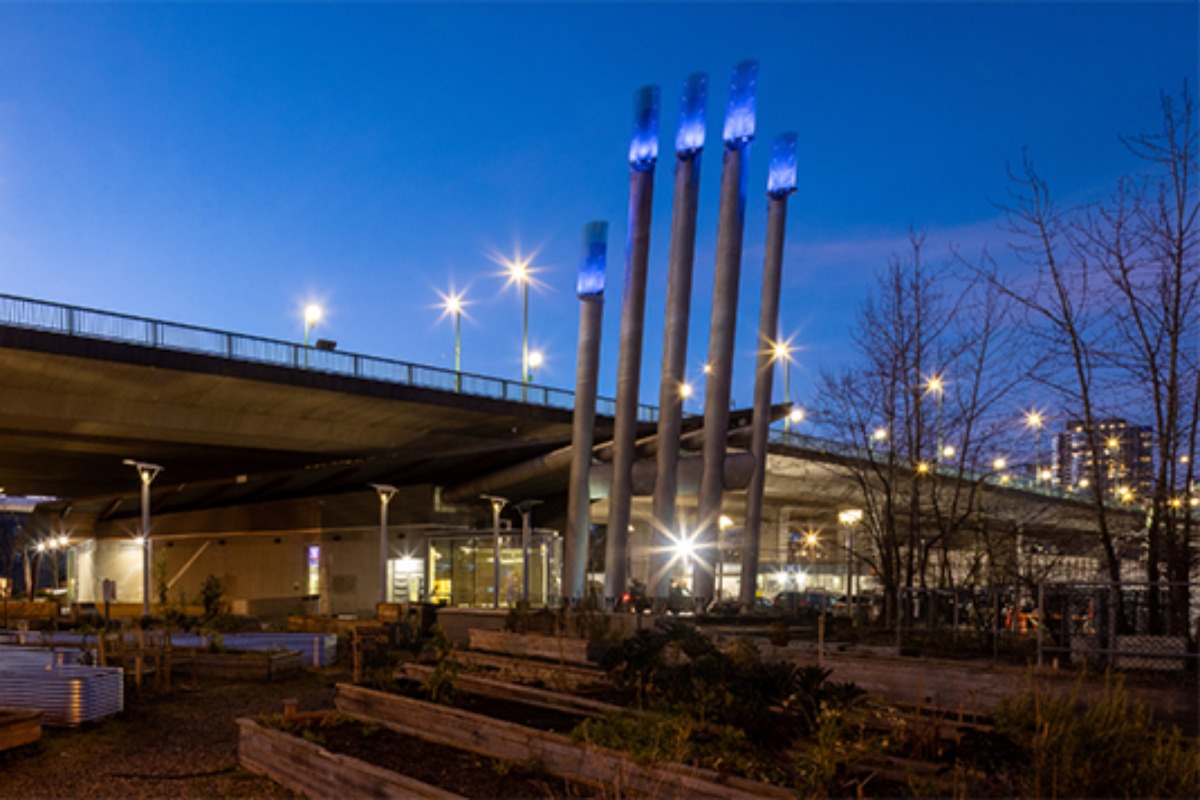
Sewage-to-water heat pumps at False Creek Neighbourhood Energy Utility supply heating to 47 buildings – and over 10,000 residents – plus other locations.
A total of 20 cities from 11 European countries competed for the awards, judged by an international panel of seven independent urban sustainability experts.
Projects selected span drone pilot training and AI-based mapping of outdoor advertising to biometric identification of pets and smart education analytics.
Analysis in a new report from the nonprofit Leading Cities and the Afkar Collective consultancy argue how we handle waste is “first-order resilience issue”.
Bentley Systems and Enactus iTwin4Good Challenge brings together international students to harness digital tech to address critical sustainability challenges.
To be held in São Paulo ahead of Cop30 in Belém, the forum aims to mobilise capital from public and private sectors in support of the Cop30 Presidency goals.
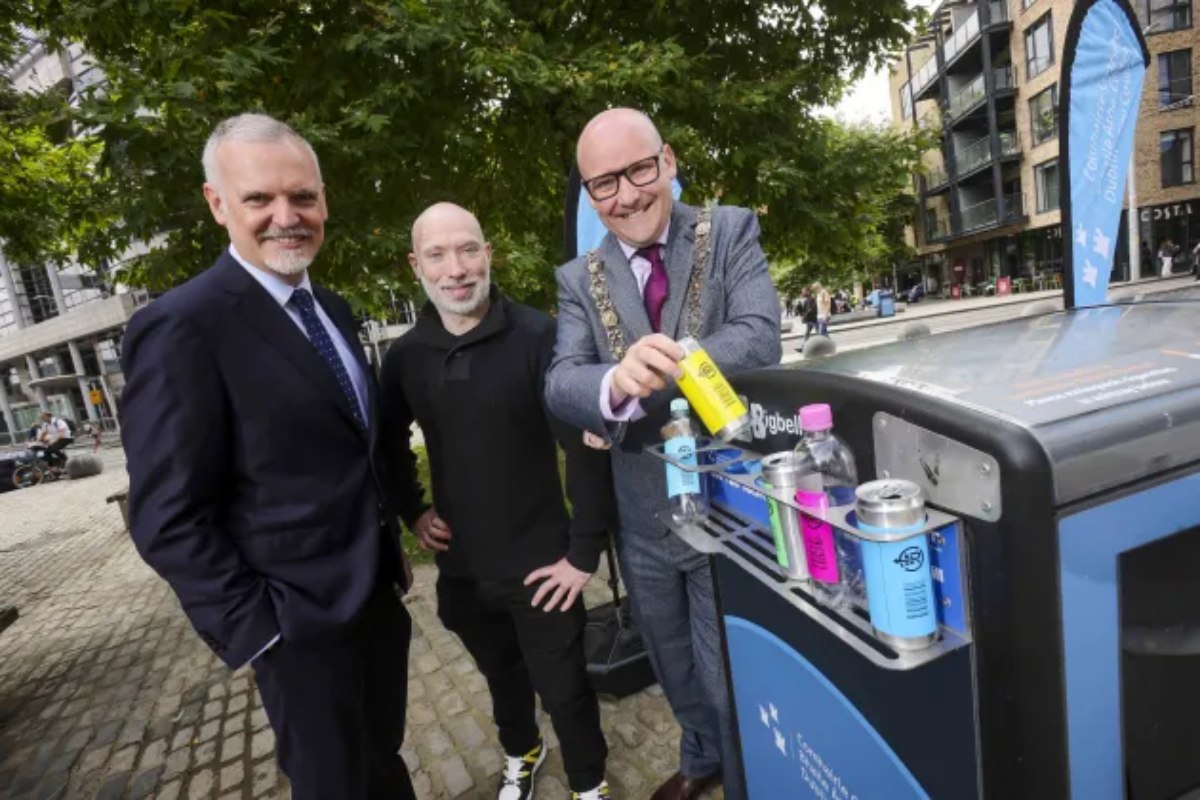
Its bin surrounds and deposit return programme allows consumers to leave their plastic bottles and cans for others to take and return to claim a deposit.
SEAP+ builds on the 2018 plan and outlines bold goals to reduce greenhouse gas emissions, transition to clean energy and create a more resilient community.
The fifth edition of State of Zero Waste Municipalities Report highlights how many cities are prioritising prevention, reuse and repair over recycling.
Run by The Republic of Park Royal, the hub on Minerva Road will be used by local enterprises, including Re-collective, Absolute Beginners, and Rescued Clay.
Company will work with Redwood Materials as its recycling partner for the cities in which it is operational across the US, Germany and the Netherlands.
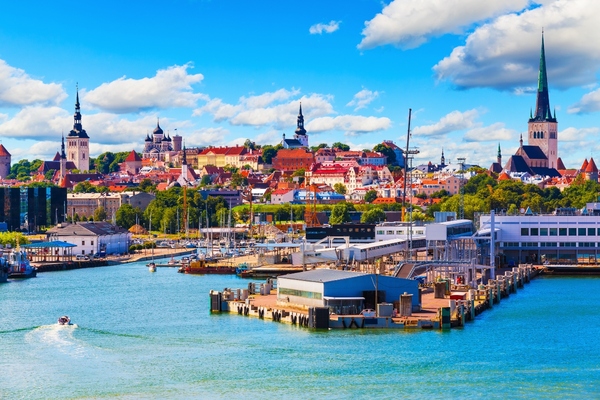
The Estonian capital has officially submitted its application to become a Zero Waste Candidate City with the Mission Zero Academy Certification programme.
Centre supports the city’s goal of creating a more environmentally conscious living environment and gives residents convenient options to change daily habits.
Initiative to award at least $300,000 to early-to-growth stage companies focused on enhancing waste diversion and driving resident education and engagement.
Octopus Energy and gs8 have announced the UK’s largest Zero Bills housing development, a scheme of 113 new homes in Essex, for which construction is underway.
Report reveals the untapped potential of circular retrofitting to decarbonise the built environment and deliver significant economic and environmental benefits.
The app aims to decrease contamination at material recovery facilities, increase the diversion of materials from landfills, and reduce greenhouse gas emissions.
Arizona-based architectural firm Krause has designed the fully carbon-positive Resource Innovation Campus to the most rigorous sustainability certification.
Dublin District Heating Project will deliver a sustainable heating network to residents and businesses, helping reach Ireland’s long-term climate targets.
The Royal Academy of Engineering launches a £150m fellowship to fund 50 innovative projects tackling climate change, offering financial and non-financial support.
It will see Routeware offering purpose-built platforms for both municipalities and waste haulers and continues its drive to transform waste and recycling.
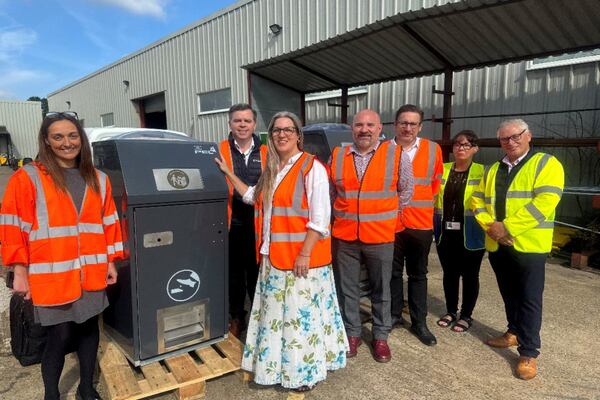
When close to being full, a compactor is triggered to crush down litter allowing the bin to take up to 100 per cent more than standard bins before emptying.
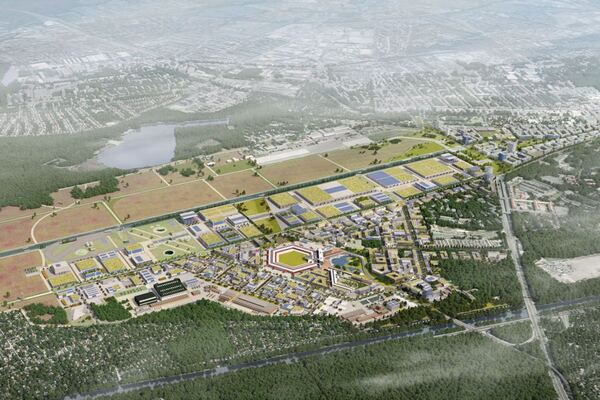
Berlin TXL project was launched in 2021 to create a smart city on the five-square-kilometre site of the former Berlin Tegel Airport, which closed in 2020.
Berg Insight’s report finds smart city technologies continue to shape the cities of tomorrow with demand for remotely managed infrastructure growing daily.
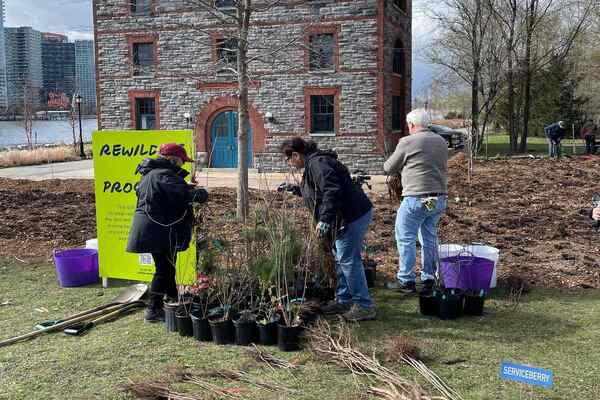
“Miyawaki method” creates dense, biodiverse forests that improve climate resilience and overall ecological sustainability in the areas where they are planted.
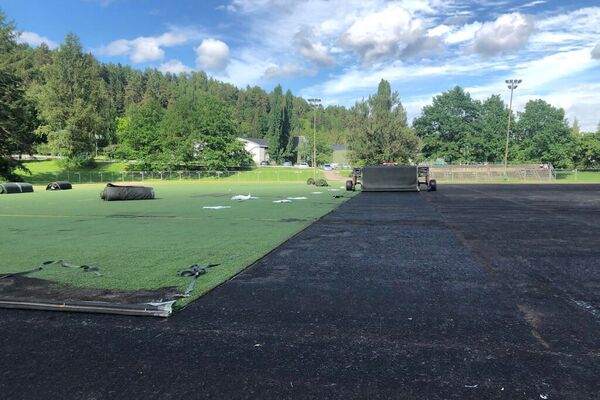
Helsinki and five other cities will gather experiences on the reuse of artificial grass and survey recycling solutions available in Finland and Europe.
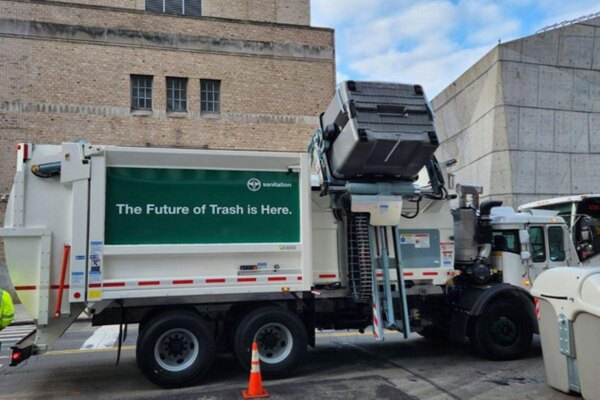
An automated, side-loading garbage truck and a new data-driven containerisation strategy mark the latest phase of New York City mayor Eric Adams’ war on trash.
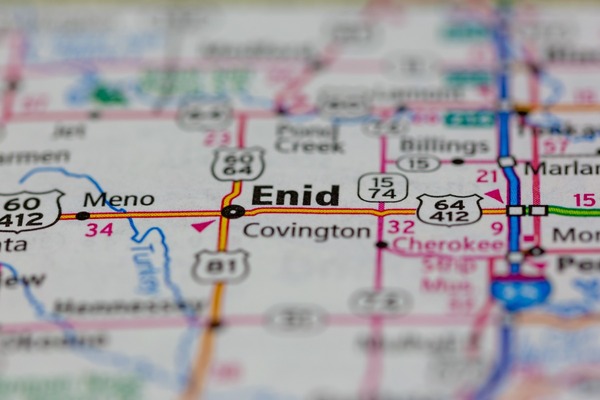
The City of Enid public-private collaboration is the first municipally owned landfill in Oklahoma state to produce pipeline-quality renewable natural gas.
Green Heat Network funding has been awarded to UK projects harnessing waste heat energy from industry and sewerage and low-carbon heat pump implementations.
Leading Cities is inviting municipalities and private companies to apply for the pilot offerings designed to tackle distinct urban development challenges.
Winning teams from Hexaware Technologies, Persistent, and the University of Sydney develop AI-powered solutions to help overcome sustainability challenges.
The city will pilot 3D print technology from Automedi, the 2022 QBE AcceliCITY Resilience Challenge winner, to help reduce and transform plastic waste.
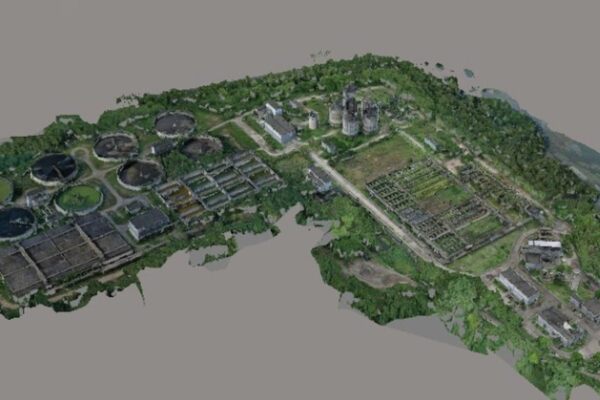
Aegea, which controls water and sewage utilities in 489 municipalities, worked with Bentley Systems to create the map as part of an intelligent infrastructure programme.
Edinburgh’s smart city projects have already tackled issues such as digital inclusion and air quality and helped the council deliver services more effectively.
Deal will put Rubicon’s smart city software at the heart of Phoenix’s Public Works Department, providing waste and recycling collection to some 418,000 locations.
Carbon IQ provides detailed measurement and insights on the carbon impact of connected devices, including refurbished devices, throughout their lifecycle.
This pioneering collaborative project sees the waste plastics enter the circular economy rather than being sent to the energy-from-waste plant in the UK city.
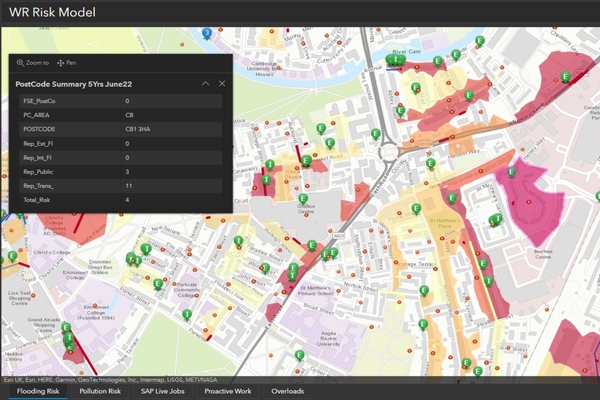
The geospatial system reveals hotspots to prioritise where work is needed across the network to improve network performance and protect the environment.
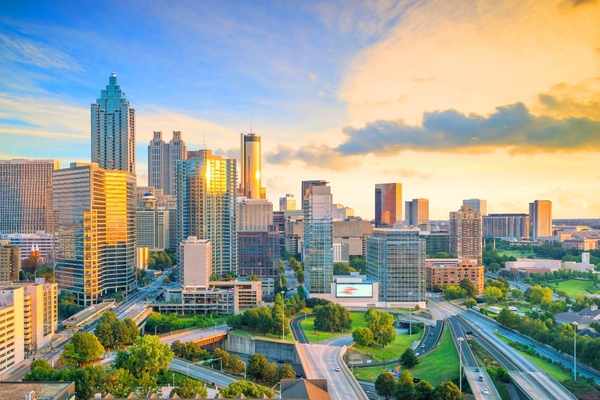
The agreement will put Rubicon’s smart city software at the heart of Atlanta’s Department of Public Works and will help its operations become fully digital.
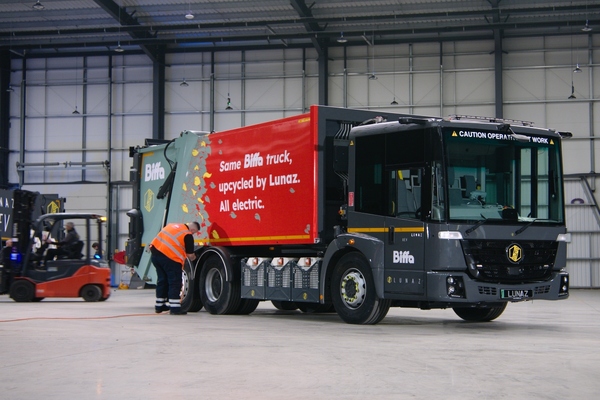
Biffa will work with Lunaz to transition its existing diesel refuse trucks to clean-air electric powertrains through upcycling and electrification technology.
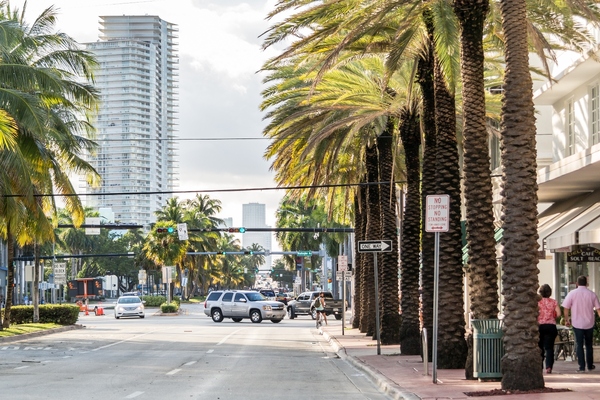
Rubicon’s smart city product is being used by Miami’s entire solid waste and recycling fleet of 95 vehicles, digitising operations and increasing efficiency.
The city is awarding more than $1m in additional grant funding to projects that support the San Francisco Climate Action Plan and zero waste and GHG goals.
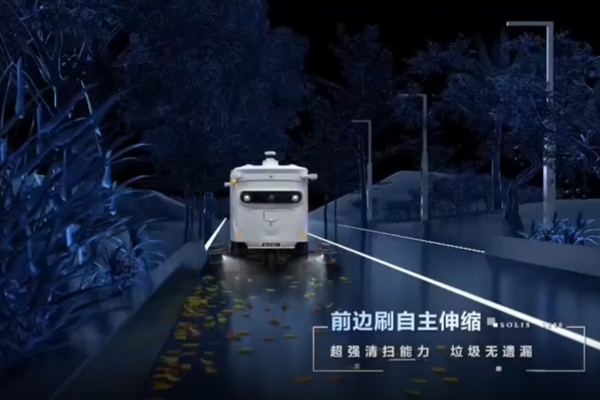
The city will work with the smart tech provider on a range of environmental governance projects in areas such as wastewater treatment and garbage removal.
Solutions developed by startups focus on areas such as greenhoguse gas emissions visualisation, forest fire detection and community feedback in urban planning.
The app, developed by three students from the University of Sharjah, will be trialled in a waste collection system by public-private partnership company Bee’ah.