











 22 - 26 June 2026: Find out more





BUILD YOUR OWN
RESOURCE LIBRARY



Podcasts

Cities Thriving on Lighting, Episode 2 – Simplicity by design in smart lightingSponsored by Paradox Engineering
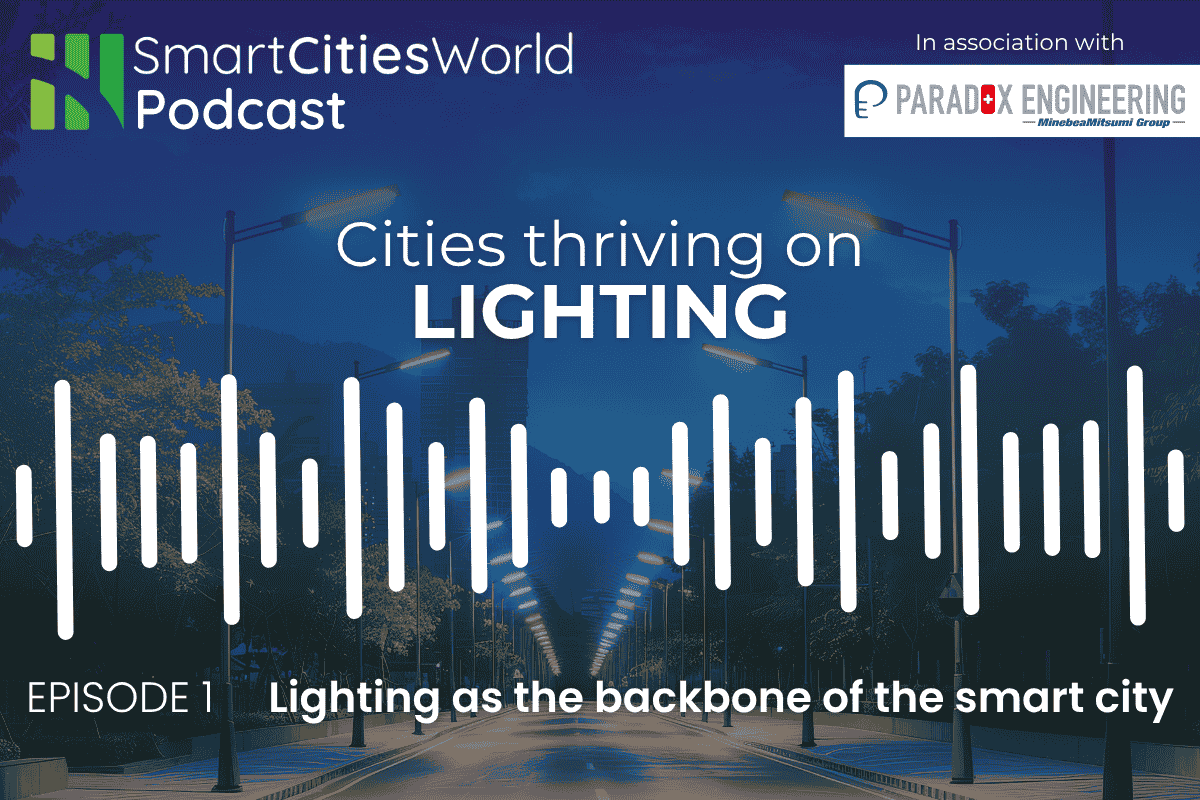
Cities Thriving on Lighting, Episode 1 – Lighting as the backbone of the smart citySponsored by Paradox Engineering
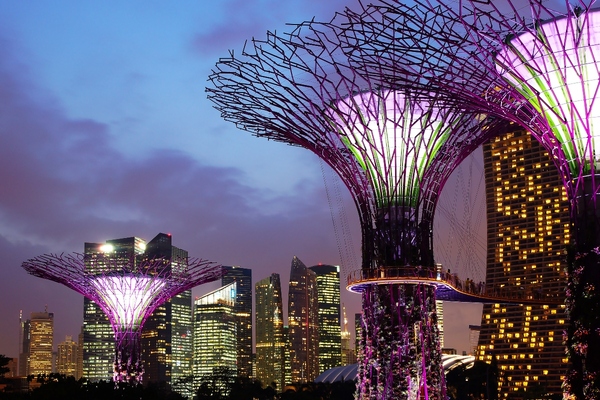
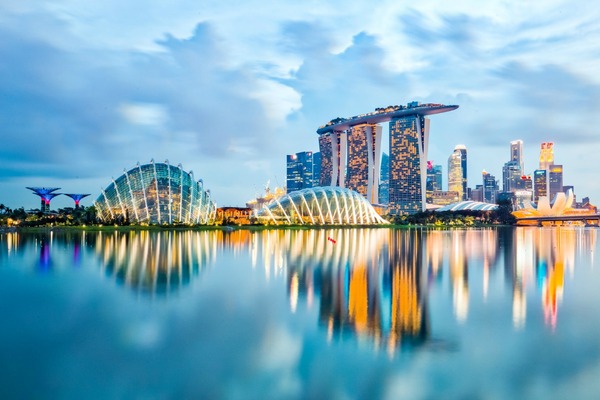
Singapore achieves global destination sustainability award
Efforts align with the Singapore Green Plan 2030 that charts city-state targets over the next 10 years and positions it to achieve net zero emissions by 2050.


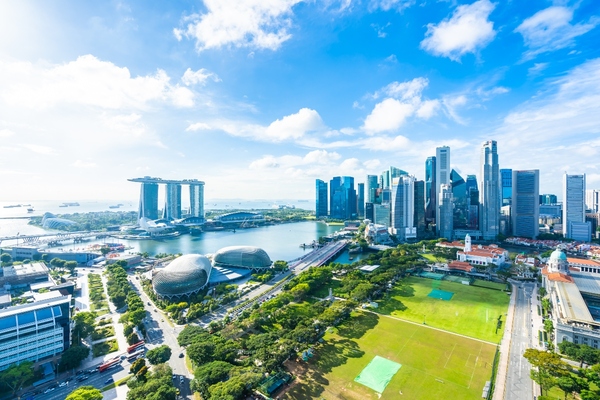
Singapore has been certified as a sustainable destination based on the Global Sustainable Tourism Council (GSTC)’s Destination Criteria.
The GSTC criteria are the global standards for sustainable travel and tourism, and Singapore was certified based on its sustainable management, socio-economic, cultural and environmental sustainability pillars.
Sustainable urban destination
According to the city-state, it was the first to apply for the certification process at country level and reflects its efforts and commitment in becoming a sustainable urban destination.
Singapore’s achievement reflects its responsibility towards the Singapore Green Plan 2030, and is also in line with the Singapore Tourism Board’s (STB) Tourism Sustainability Strategy.
The strategy was launched in 2022 and sets out actionable strategies for the tourism industry so that Singapore can become a sustainable urban destination.
“Our vision is to become one of the world’s most sustainable urban destinations and we now know we are on the right track”
“We are proud to receive this certification, which reflects Singapore’s commitment to the Singapore Green Plan 2030 and becoming a City in Nature, where large experiences come with a small footprint. Being certified is just the beginning of our journey,” said Keith Tan, chief executive, Singapore Tourism Board.
“Tourism businesses must do more to internalise sustainability as part of their offerings, so that they can contribute to making Singapore greener and more liveable. Our vision is to become one of the world’s most sustainable urban destinations and we now know we are on the right track.”
Singapore’s certification follows similar achievements by key tourism partners such as Sentosa Development Corporation, Resorts World Sentosa and Marina Bay Sands Singapore, which had also achieved certification based on the relevant GSTC criteria.
Read More
STB said it will continue to engage its partners, build on the destination’s existing strengths and ramp up efforts in areas of improvement. The following are highlights of Singapore’s sustainability performance across the four pillars:
Sustainable management: Singapore is implementing multi-year strategies and action plans on sustainable management, such as the Singapore Green Plan 2030. Announced in 2021, the Green Plan charts Singapore’s ambitions and targets over the next 10 years, strengthens its commitments under the UN’s 2030 Sustainable Development Agenda and Paris Agreement, and positions the country to achieve net zero emissions by 2050.
Socio-economic sustainability: Singapore also demonstrated efforts to maximise the social and economic benefits of tourism for locals. These include supporting and spotlighting local entrepreneurs, providing a safe and secure working environment, a user-friendly built environment, as well as supporting career opportunities and training in tourism.
Cultural sustainability: Singapore has various initiatives to conserve and enhance its tangible and intangible heritage. For example, there are legislation and conservation guidelines to protect more than 7,200 conserved buildings, entire historical districts, and national monuments. The Singapore Botanic Gardens was named a Unesco World Heritage Site in 2015, making it the first and only tropical botanic gardens in Asia on Unesco’s World Heritage List.
Environmental sustainability: Singapore has implemented a range of measures to enhance greenery, strengthen ecological connectivity between green spaces, and conserve its biodiversity. For example, the OneMillionTrees movement, launched in 2020, aims to plant one million additional trees across Singapore by 2030 with the help of the community, and the target is on its way to being met. The country is also charting concrete targets and demonstrating real-world sustainability applications to manage its scarce resources.
“The commitment from Singapore’s tourism sector to support their national Singapore Green Plan 2030 is based on their holistic approach to sustainable tourism,” added Randy Durband, chief executive officer, GSTC.
“We see first-hand some of their efforts to engage key subsectors of tourism in meaningful ways. Gaining destination certification requires that level of commitment and holistic approach. We commend them and are pleased to support their efforts for continuous improvement.”
Why not try these links to see what our SmartCitiesWorld AI can tell you.
(Please note this is an experimental service)
How does Singapore's Green Plan 2030 support net zero emissions by 2050?What sustainable management strategies contributed to Singapore's GSTC certification?How does Singapore promote socio-economic benefits for locals through tourism?What initiatives protect Singapore's cultural heritage and historical sites?How is Singapore enhancing biodiversity through environmental sustainability efforts?climate actionClimate change/ResilienceEnergy & EnvironmentGovernance and CitizenSDGsSingaporeSustainable Development Goals

Latest City Profile
Latest Trend Report
Latest Urban Exchange Podcast
Latest Special Report
SmartCitiesWorld Newsletters (Daily/Weekly)
You may also like these related articles...
BECOME A MEMBER
© 2026 SmartCitiesWorld
Smart Cities World Ltd, 37 Lombard Street, London, EC3V 9BQ