





Priority actions include a review of air quality monitoring with a focus around schools, hospitals and care homes and expansion of the active travel network.
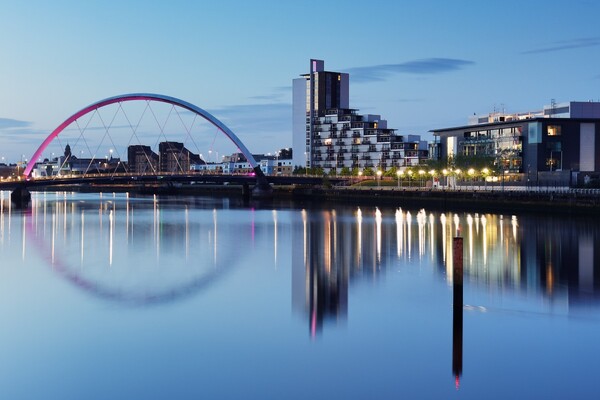
Glasgow has set out revised plans to reduce levels of air pollution across the Scottish city.
The Air Quality Action Plan updates the actions the council will take over the next five years to minimise emissions from road traffic which are the main source of the harmful pollutant, nitrogen dioxide.
While Glasgow’s air quality has much improved in recent years, there remains an ongoing commitment to achieving the best air quality possible to benefit the health of city residents and visitors.
The updated plan takes a citywide approach but there will remain a level of focus on the city centre due to its pollution levels remaining of concern – details of which were outlined in last year’s Air Quality Annual Progress Report.
The plan’s priority actions include:
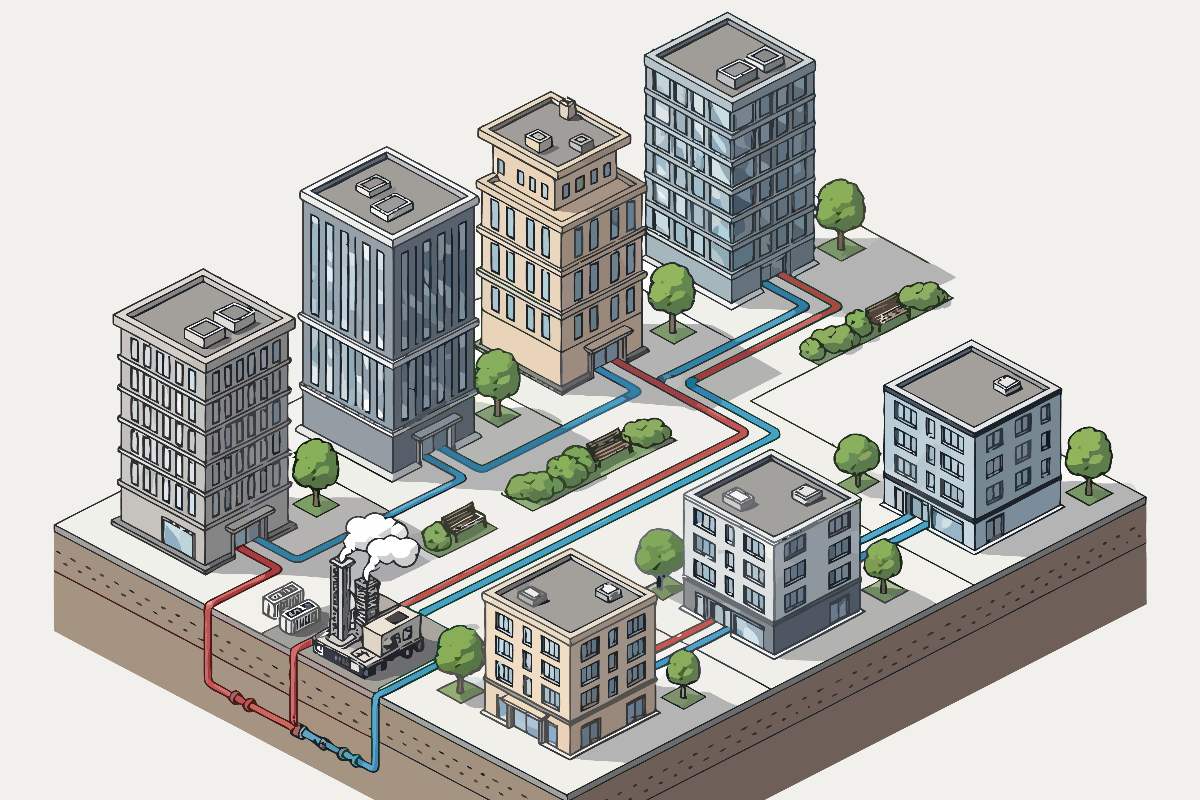
The plan also supports the acceleration of heat networks to reduce pollution from fossil fuel.
Following public consultation, the final version of the Air Quality Action Plan, incorporates several additional, wider actions. These include commitments to assess future developments in the city that could impact on air quality and to liaise with the Scottish Government as it continues its review of the statutory air quality objectives.
“Our refreshed Air Quality Action Plan focuses on minimising emissions from road traffic as well as reducing air pollution from fossil fuelled heating systems”
“Whilst Glasgow’s air quality has undoubtedly improved in recent times, we remain determined to deliver more breathable air to benefit the health and wellbeing of our residents and visitors,” said councillor Angus Millar, city convener for climate and transport.
“Our refreshed Air Quality Action Plan focuses on minimising emissions from road traffic as well as reducing air pollution from fossil fuelled heating systems.
“Key priorities include a review of air quality monitoring around schools, hospitals and care homes, and we’ve also committed to exploring options that can improve the effectiveness of vehicle idling enforcement.
“We’ve also broadened the range of wider, air quality actions in the final version of the Plan following public consultation earlier this year.”
Glasgow’s Air Quality Action Plan 2024, which was approved by the City Administration Committee, will now be submitted to the Scottish Government.
Why not try these links to see what our SmartCitiesWorld AI can tell you.
(Please note this is an experimental service)
How will expanded air quality monitoring improve health near schools and hospitals?What methods will enhance enforcement of vehicle idling restrictions effectively?How can active travel network expansion reduce urban nitrogen dioxide levels?In what ways will accelerating heat networks decrease fossil fuel pollution?How will collaboration with Scottish Government influence future air quality standards?