



Monitoring stations at 69 locations show a 30 per cent reduction in NO2 levels between 2019 and 2024, with no locations exceeding the annual limit value.
At a glance
Who: Southampton City Council.
What: The council has announced a 30 per cent reduction in nitrogen dioxide (NO2) levels, following several years of sustained improvement in air quality across the UK city.
Why: The reduction helps the city council meet its City Plan goals of making Southampton a healthier and greener city for local people.
When: NO2 levels reached a critical point in 2017. Since then, £6m has been invested in measures that have transformed travel around the city and will ensure cleaner air going into the future.
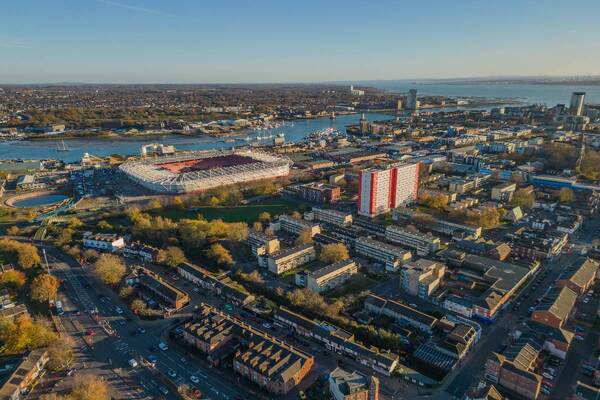
Southampton City Council has announced a 30 per cent reduction in nitrogen dioxide (NO2) levels, following several years of sustained improvement in air quality across the UK city.
Since 2017, when nitrogen dioxide NO2 levels reached a critical point, the council and its partners have been working to reduce air pollution and meet the City Plan goals of making Southampton a healthier and greener city for local people.
The latest assessments by the Government’s Joint Air Quality Unit confirm that Southampton has met the conditions of its NO2 programme, with NO2 levels across the city now well below the national legal limit of 40 micrograms per cubic metre (µg/m3).
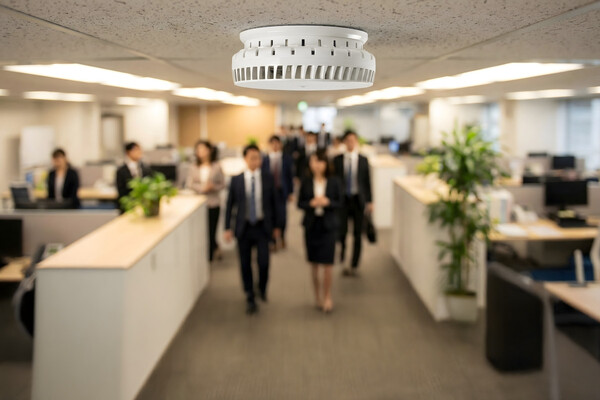
Monitoring stations at 69 locations show a 30 per cent reduction in NO2 levels between 2019 and 2024, with no locations exceeding the annual limit value of 40µg/m3 in the past two years.
“This work has underscored our missions for a greener and healthier city with long term benefits for residents and we will continue to champion activities and initiatives that support local people to thrive”
The city has now passed the three stages of the programme set by the government and is preparing to exit the programme, confirming that clean air will be maintained into the future.
Over £6m has been invested in measures that have transformed travel around the city and will ensure cleaner air going into the future, including:
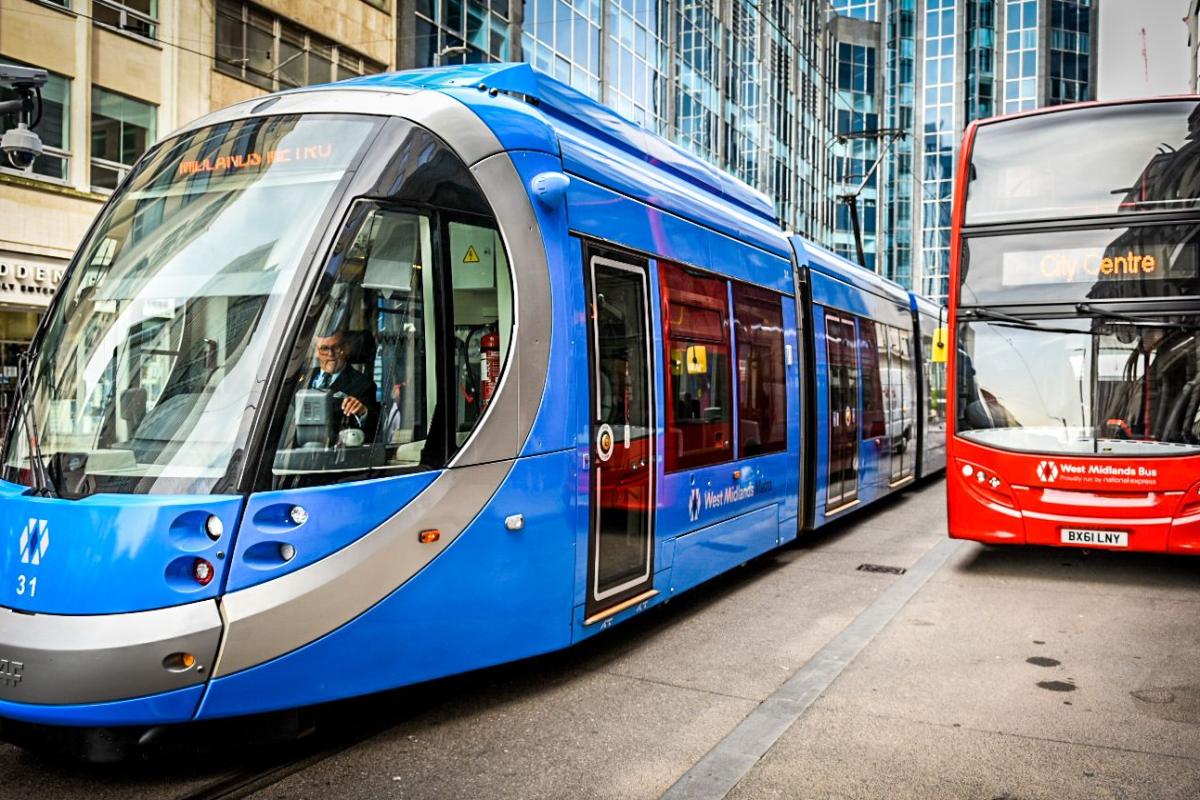
Many of these improvements – such as the Southampton Cycle Network, upgraded buses, and higher taxi emission standards – will remain in place permanently.
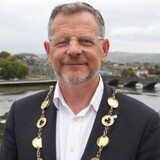
“I am delighted that Southampton is set to exit the Government’s Nitrogen Dioxide programme after years of hard work by the council, our partners and local people who have understood the need to switch to greener and healthier modes of transport when they can,” said councillor John Savage, cabinet member for environment and net zero.
He added: “This work has underscored our missions for a greener and healthier city with long term benefits for residents and we will continue to champion activities and initiatives that support local people to thrive.”
A spokesperson for Associated British Ports said: “At the Port of Southampton, we are committed to operating sustainably, from being the first UK port to provide shore power for cruise ships, generating over 50 per cent of the power the port uses each year from our own solar panels, to expanding our use of electric vehicles and fuel‑efficient pilot launch vessels. These investments are already reducing emissions across the port and demonstrate our commitment to continue to deliver cleaner, more sustainable operations.”
Exiting the NO2 programme does not mark the end of Southampton’s commitment to air quality. It said it will continue to deliver a wide range of initiatives, including:
Why not try these links to see what our SmartCitiesWorld AI can tell you.
(Please note this is an experimental service)
How did traffic signal upgrades quantitatively reduce vehicle emissions and congestion?Which metrics confirmed compliance with the national 40 µg/m3 NO2 limit?What operational changes enabled buses to meet Euro VI standards cost-effectively?How can port interventions lower shipping NO2 to 25 µg/m3?What monitoring methods ensure maintained air quality after exiting the NO2 programme?