











 22 - 26 June 2026: Find out more


BUILD YOUR OWN
RESOURCE LIBRARY



100 cities get Bloomberg funding for youth climate efforts
Efforts stemming from the new Youth Climate Action Fund will advance critical community goals such as meeting decarbonisation commitments or reducing emissions.


To help spur a “groundswell of youth-driven climate activity”, Bloomberg Philanthropies has announced the launch of the Youth Climate Action Fund.
The initiative is intended to provide technical assistance and funding for 100 mayors with the ambition of activating tens of thousands of young people (aged 15-24) to design, produce, and govern urgent climate solutions in their cities.
Local climate action
The 100 cities in the fund span 38 countries across six continents, representing more than 62 million residents. Each city will receive $50,000 to distribute as microgrants to fund a groundswell of youth-led climate initiatives that meet local contexts and objectives.
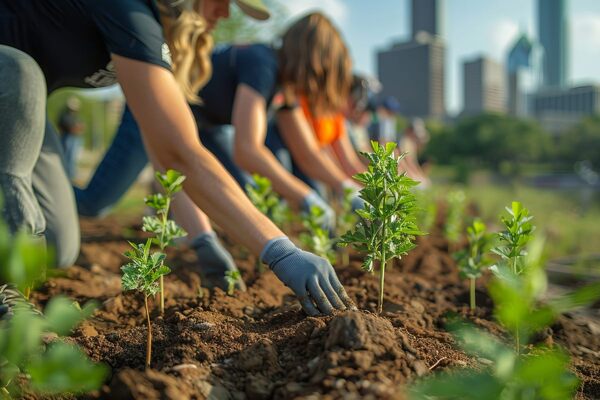
From mobilising tree-planting or public education campaigns to launching recycling or waste reduction initiatives, efforts stemming from the new Youth Climate Action Fund will advance critical community goals such as meeting decarbonisation commitments or reducing consumption-based emissions.
“Youth today are the guardians of our future, and in bringing them together with local governments through this ground-breaking initiative, we will see cities reach newfound progress in shaping more resilient and regenerative communities”
Cities that respond to the urgency of the moment and commit the initial $50,000 within six months will receive an additional $100,000 to support more youth-driven projects over the course of one year.
“Climate change is an all-hands-on-deck challenge, and it’s critical that young people – who have the most at stake – help lead the way,” said Michael Bloomberg, UN special envoy on climate ambition and solutions. “This new fund will help mayors mobilise and empower tomorrow’s leaders to take action today.”
Read More
A survey in the Lancet finds more than 60 per cent of young people believe that government is not doing enough to avoid climate catastrophe or taking their concerns seriously enough, but few city halls have the organisational capacity, capabilities, and confidence to unleash youth energy on solution-building.
Bloomberg Philanthropies reckons Youth Climate Action Fund will provide the cities with the tools, techniques, and supports to leverage innovation approaches that invite and foster robust youth collaboration in climate problem-solving and policymaking.
“Climate change is an all-hands-on-deck challenge, and it’s critical that young people – who have the most at stake – help lead the way”
The programme will be delivered by United Cities and Local Governments in partnership with the Bloomberg Centre for Public Innovation at Johns Hopkins University. C40 Cities and the Global Covenant of Mayors for Climate & Energy will also collaborate as learning partners.
“United Cities and Local Governments is thrilled to join Bloomberg Philanthropies in celebrating the cities around the world that are joining the Youth Climate Action Fund – and partnering with the organisation on this work,” said Emilia Sáiz, secretary general for United Cities and Local Governments.
“Youth today are the guardians of our future, and in bringing them together with local governments through this ground-breaking initiative, we will see cities reach newfound progress in shaping more resilient and regenerative communities that can act on the climate emergency in entirely new ways.”
Ambitious climate efforts
Through the Bloomberg Philanthropies Youth Climate Action Fund, the intention is for mayors to launch open calls in their cities for new and ambitious climate efforts led by young people. These ideas may include:
- Youth-led awareness, education, research, and development initiatives, including: youth-led climate education programmes; youth climate hackathons; youth-developed climate surveys and research; youth-informed clubs or curriculum; and youth-designed public art and awareness campaigns
- Youth-driven climate mitigation and adaptation projects, including: youth-led community gardening, tree planting, reforestation, and urban farming campaigns; youth-managed recycling and waste reduction programmes; and youth-produced climate resilience workshops and disaster preparedness programmes
- Co-governed youth climate action plans, including: partnerships between city leaders and youth groups to inform climate-related policy ideas, decisions, or actions or the formation of youth climate ambassadors or advisory boards.
For more information on the programme and the cities involved, go to: Youth Climate Action Fund.
Why not try these links to see what our SmartCitiesWorld AI can tell you.
(Please note this is an experimental service)
How can youth-led climate initiatives effectively reduce urban emissions?What technical supports best empower cities to engage young climate leaders?How do microgrants stimulate local youth participation in climate action?What role do youth advisory boards play in shaping climate policies?How can cities measure success of youth-driven climate resilience projects?
Latest City Profile
Latest Urban Exchange Podcast
Latest Special Report
SmartCitiesWorld Newsletters (Daily/Weekly)
You may also like these related articles...
BECOME A MEMBER
© 2026 SmartCitiesWorld
Smart Cities World Ltd, 27 Clements Lane, London, EC4N 7AE