










 22 - 26 June 2026: Find out more



BUILD YOUR OWN
RESOURCE LIBRARY



Podcasts

Cities Thriving on Lighting, Episode 2 – Simplicity by design in smart lightingSponsored by Paradox Engineering
Cities Thriving on Lighting, Episode 1 – Lighting as the backbone of the smart citySponsored by Paradox Engineering
Opinions

Transforming indoor public safety with smart sensor networksSponsored by Motorola Solutions
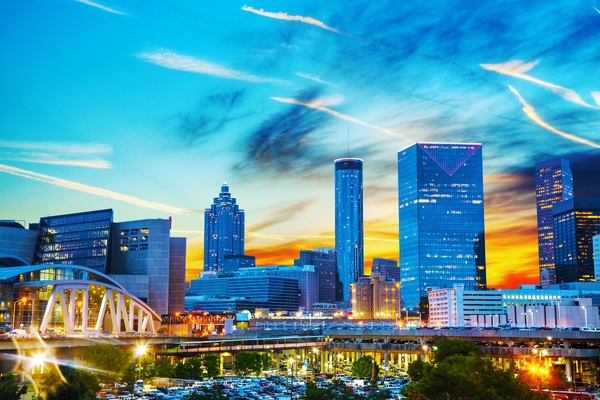
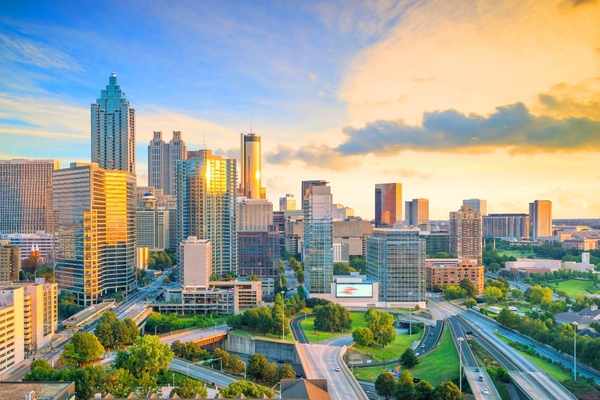
City of Atlanta relaunches its Clean Energy Advisory Board
Work will include a one-year process to update metrics and measure progress of the Clean Energy Atlanta Plan and inform future sustainability strategy.


The City of Atlanta has relaunched its Clean Energy Advisory Board to help build public support from a diverse group of stakeholders for its clean energy plan.
It will also enable the City to leverage local expertise on energy issues.
Clean energy goals
The Clean Energy Advisory Board was originally launched in 2020 following a recommendation in the Clean Energy Plan. In March of 2019, the Atlanta City Council adopted the Clean Energy Atlanta plan, which charts a path to achieve 100 per cent clean energy by 2035.
With a focus on energy equity, Clean Energy Atlanta stated that “100 per cent of Atlantans should have access to 100 per cent clean energy”.
“The nation’s climate crisis has created an urgent need for equitable solutions that accelerate a transition to clean energy,” said mayor Andre Dickens. “Like many of our efforts in Atlanta, reaching these clean energy milestones is a group project, which is why the community-led Clean Energy Advisory Board will play a pivotal role in reducing carbon emissions and building more sustainable and climate resilient communities.”
“The nation’s climate crisis has created an urgent need for equitable solutions that accelerate a transition to clean energy”
The Clean Energy Advisory Board will include 25 civic leaders from the public, nonprofit and private sectors, each of whom can serve two-year terms. Six seats on the board are allocated for community leaders from the city’s six most energy burdened Neighbourhood Planning Units (NPU).
Residents in these southwest Atlanta neighbourhoods experience energy burdens that are three to four times higher than national averages, according to data from the American Council for an Energy-Efficient Economy (ACEEE).
Read More
The board will provide recommendations that will help the City of Atlanta reach 100 per cent clean energy by 2035 and ensure that clean energy plans and policies are based on equity, advance environmental justice and support data transparency. Working groups will be established to address climate impacts, affordable housing, energy affordability, sustainable transportation and youth climate action, all through a community-driven approach.
“The members of the Clean Energy Advisory Board understand that we must prioritise the voice of our most marginalised residents, those that have been largely left out of the benefits of the clean energy transition,” said Chandra Farley, the City’s chief sustainability officer.
“The time is now to activate our City’s rich ecosystem of expertise to attract resources and implement solutions that mitigate the worst impacts of climate change while also creating a local clean energy economy that benefits all Atlantans.”
The Board will meet quarterly with working groups collaborating monthly. The relaunch of the Board initiates a one-year process to update metrics and measure progress towards the Clean Energy Atlanta Plan goals. The Board’s recommendations will also inform development of a comprehensive Sustainability and Climate Resilience Plan that the Office of Sustainability and Resilience will launch in 2024.
Why not try these links to see what our SmartCitiesWorld AI can tell you.
(Please note this is an experimental service)
How will the Clean Energy Advisory Board measure progress on clean energy goals?What strategies will ensure energy equity in Atlanta's clean energy transition?How can community leaders influence policy through the Clean Energy Advisory Board?What role do working groups play in addressing climate impacts and sustainability?How will updated metrics inform Atlanta’s future sustainability and resilience plans?citizen engagementclimate actionClimate change/ResilienceEnergy & EnvironmentGovernance and CitizenPolicy Making

Latest City Profile
Latest Urban Exchange Podcast
Latest Special Report
SmartCitiesWorld Newsletters (Daily/Weekly)
You may also like these related articles...
BECOME A MEMBER
© 2026 SmartCitiesWorld
Smart Cities World Ltd, 37 Lombard Street, London, EC3V 9BQ