












 22 - 26 June 2026: Find out more


BUILD YOUR OWN
RESOURCE LIBRARY



Liverpool opens low-carbon heat energy centre
Mersey Heat Energy Centre extracts energy from the water in the Leeds Liverpool Canal to deliver heat to a district network for the Liverpool Waters development.


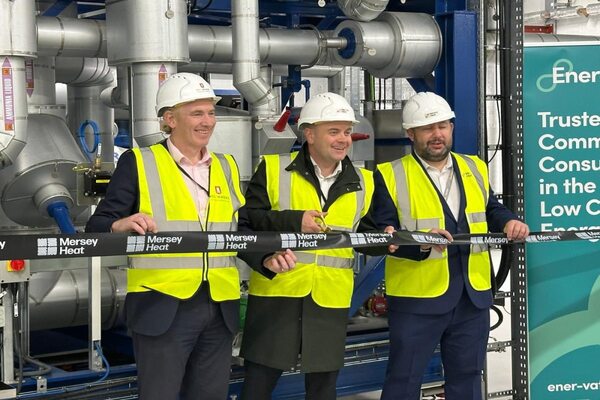
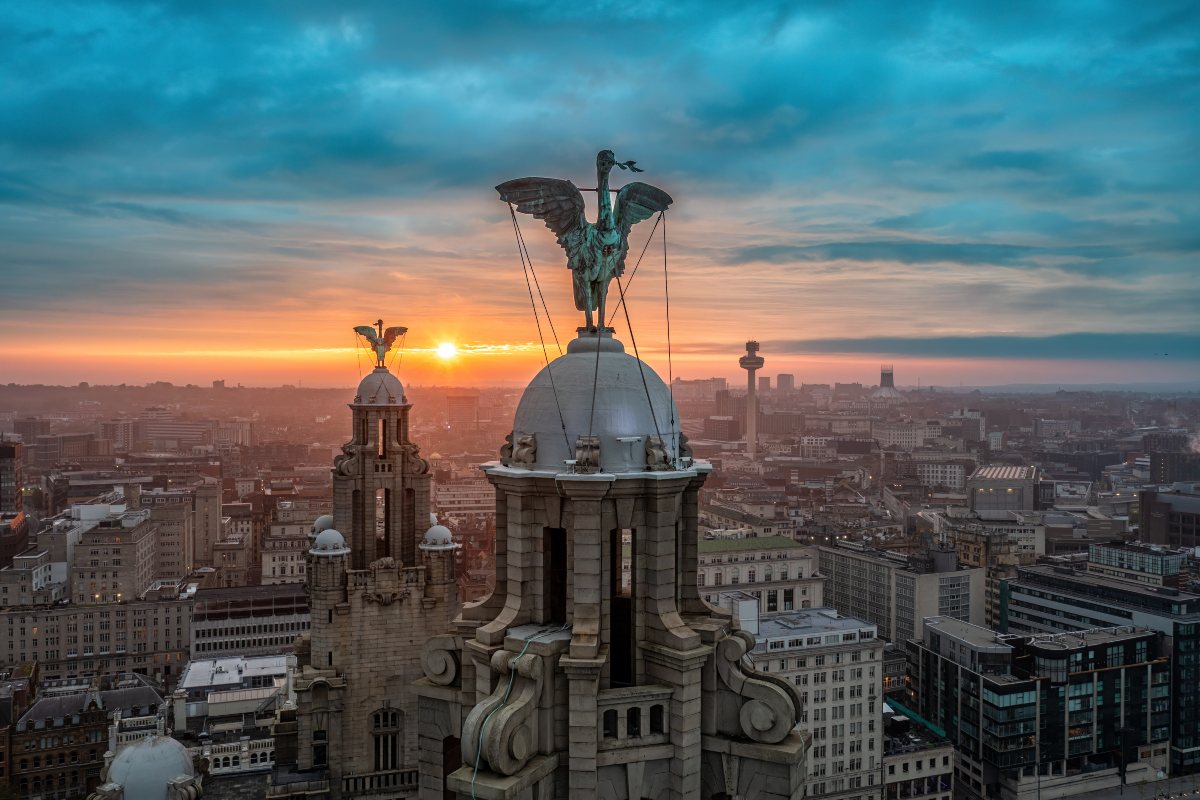
Liverpool has officially opened the Mersey Heat Energy Centre as part of its drive towards low-carbon regeneration.
The centre will supply low-carbon heating and hot water to the Liverpool Waters development and surrounding landmark buildings.
District heating network
Councillor Liam Robinson, leader of Liverpool City Council, and councillor Anthony Burns, Liverpool City Region Combined Authority cabinet member for net-zero, joined representatives from Ener-Vate and contractor Vital Energi to mark the launch of the new plant.
The energy centre uses heat pumps to extract energy from the water in the Leeds Liverpool Canal to deliver heat to a district network. The pumps and extraction equipment are housed in the original Victorian Pump House, linking the city’s industrial past with its low-carbon future.
“Liverpool has long been a leader in climate action, and this project reinforces our commitment to achieving net zero. It’s not just about infrastructure, it’s about creating a legacy of sustainability”
The plant forms part of the wider Liverpool Waters regeneration that combines restoration of historic assets with new homes, commercial buildings and modern infrastructure.
Among the restored sites is the Tobacco Warehouse, a Victorian structure opened in 1901 and built from some 27 million bricks, where goods were historically moved using hydraulic jiggers and the rail system.
Liverpool City Council, the Liverpool City Region Combined Authority and National Museums Liverpool have signed agreements with Ener-Vate to extend the network and supply low-carbon heat to the Cunard Building, George Dock Building and the Museum of Liverpool, allowing those buildings to move away from gas. The network will also connect with the sister scheme at Albert Dock.
Read More
“The launch of the Mersey Heat Energy Centre is a landmark moment in Liverpool’s journey towards a cleaner, greener future,” said councillor Liam Robinson, leader of Liverpool City Council.
“It is a visible example of how Liverpool is leading the way on low-carbon infrastructure, protecting historic buildings, cutting emissions and creating long-term green value for our communities.
“Liverpool has long been a leader in climate action, and this project reinforces our commitment to achieving net zero. It’s not just about infrastructure, it’s about creating a legacy of sustainability that benefits our communities, our economy, and our environment.
“I’m proud to see this vision and investment come to life, creating jobs in the emerging green economy. “I want to thank all the partners involved for helping Liverpool take another bold step towards a low carbon future.”
Advanced Zoning Programme
The council is also participating as a front runner city in the Department for Energy Security and Net Zero (DESNZ) Advanced Zoning Programme and plans to go to market by the end of the financial year to procure a Zone Developer to roll out further heat networks across Liverpool.
Ener-Vate, Peel’s district heat network specialist, worked with Vital Energi as the design, build, operate and maintain contractor on the scheme, delivering the technical and operational capability needed to bring the energy centre into service.
Councillor Anthony Burns, Liverpool City Region cabinet member for net zero and leader of St Helens Council, said: “Building a cleaner, greener future isn’t just about meeting targets – it’s about improving people’s lives. The Mersey Heat Energy Centre is a fantastic example of how we can use our region’s strengths and ingenuity to cut carbon, lower energy bills, and support jobs in the industries of the future.
“I know the scale of the challenge we’re facing – but also the scale of the opportunity. Projects like this show that we’re serious about hitting our target to be net zero by 2035, at least a decade ahead of the rest of the country, and that the Liverpool City Region is leading the way.”
Why not try these links to see what our SmartCitiesWorld AI can tell you.
(Please note this is an experimental service)
How do heat pumps extract energy from canal water for heating?What benefits does district heating provide to urban regeneration projects?How does the Mersey Heat Energy Centre contribute to Liverpool's net zero goals?What role does the Advanced Zoning Programme play in expanding heat networks?How are historic buildings integrated into low-carbon energy infrastructure?
Latest City Profile
Latest Urban Exchange Podcast
Latest Special Report
SmartCitiesWorld Newsletters (Daily/Weekly)
You may also like these related articles...
BECOME A MEMBER
© 2026 SmartCitiesWorld
Smart Cities World Ltd, 27 Clements Lane, London, EC4N 7AE