








 22 - 26 June 2026: Find out more

BUILD YOUR OWN
RESOURCE LIBRARY



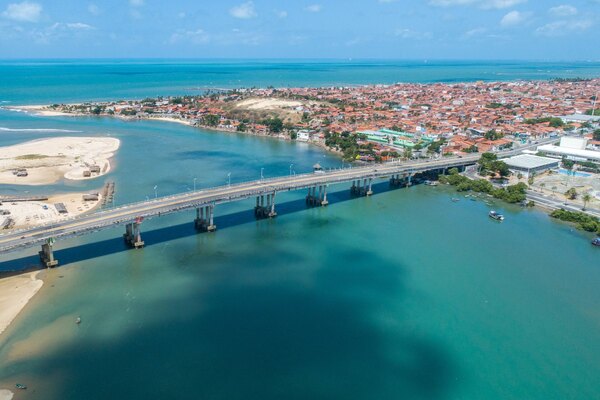
Majority of Brazilians support city climate action
Brazilians are feeling climate change impacts in communities and personally, especially extreme heat, which represents the biggest environmental challenge.


National polling has revealed that nearly all Brazilians are concerned about the climate crisis and the vast majority want to see cities given the political and financial support to tackle it.
The national survey of 800 Brazilians by ClearPath Strategies on behalf of C40 Cities are published as mayors and city leaders from around the world are arriving in Rio de Janeiro for the annual Urban 20 Summit (U20) and attending the Cop29 climate change convention in Baku, Azerbaijan.
Impact of extreme weather
The survey revealed that three-quarters of Brazilians say they have been negatively affected by the increase in extreme weather driven by climate breakdown with air pollution and the climate’s impact on the cost of food also a key concern.
Nearly universally, Brazilians believe climate change is an urgent problem. About nine in 10 Brazilians are concerned about climate change (92 per cent) and believe “we are experiencing a climate crisis” (95 per cent). Eight in 10 (8 in 10) think about climate and environmental issues all the time or often (82 per cent). Extreme weather and climate change are statistically tied with the cost of living as the top national issue (43 per cent and 40 per cent, respectively).
Brazilians believe city-level climate action is effective in combatting climate change and improving their communities
Brazilians are feeling climate change impacts in their communities and personally, especially extreme heat. Almost nine in 10 Brazilians (87 per cent) say climate change is impacting their community and them personally (87 per cent), including six in 10 saying climate change is having “a great deal” of impact.
Extreme heat represents the biggest environmental challenge in Brazil: of those saying they are personally impacted by the effects of climate change, 75 per cent say they’re affected by extreme heat days. Two-thirds of Brazilians impacted by climate change also point to the higher cost of food due to climate change (66 per cent), more polluted air (65 per cent), and health impacts like trouble breathing (64 per cent).
Read More
Young Brazilians are particularly impacted by extreme heat, with 82 per cent of Brazilians under 35 saying they’ve dealt with this, compared to 71 per cent of Brazilians over 50.
Brazilians are looking to their cities to lead on climate action and invest more in climate action. A huge majority of Brazilians expect their city to take climate action (88 per cent). Similar proportions of Brazilians say they want their city to invest more in climate action (85 per cent), and they want the national government to invest funds in city climate action (90 per cent).
While Brazilians want to see more support for cities to take action, cities share the responsibility to take and fund climate action with other governments. All levels of government share responsibility for tackling climate change, according to the Brazilian public.
A majority of Brazilians say national governments globally (59 per cent), the Brazilian government (56 per cent), and their mayor (50 per cent) all have a responsibility to act. More than six in 10 Brazilians also expect their national, state, and local government to fund climate initiatives in cities
Young Brazilians are more likely to be thinking about climate change regularly and more likely to take personal action to address it.
Brazilians believe city-level climate action is effective in combatting climate change and improving their communities. Impressively, nearly three-quarters of Brazilians believe city climate actions are both combatting climate change (72 per cent) and having an impact on their daily quality of life (74 per cent).
Brazilians strongly support a wide range of climate policies. More than 90 per cent of the public wants Brazil to advance clean water and air policies, reforestation, renewable energy, and infrastructure upgrades to deal with extreme weather. More than 80 per cent of Brazilians support planting more trees and creating more green spaces to cool cities, expand rainwater management programs, reduce greenhouse gas emissions, create clean air zones, expand public transport, and install more solar panels.
Young Brazilians are more likely to be thinking about climate change regularly and more likely to take personal action to address it. Brazilians under 35 are 14 percentage points more likely to be thinking about climate change often or all the time compared to Brazilians over 50. Young adults are also much more likely to be talking about climate change with friends and family, attending environmental events, working on climate issues in their community, volunteering on the issue, or writing to their elected officials about climate change.
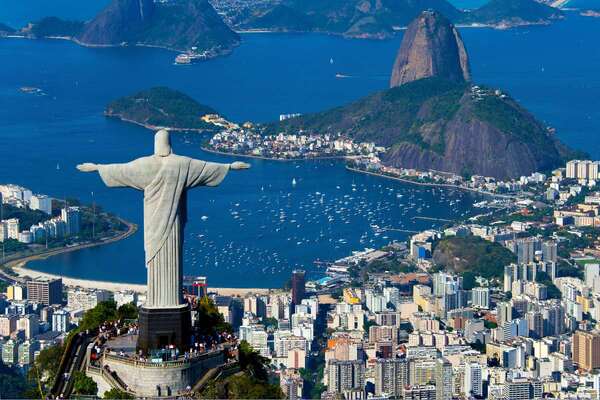
The U20, co-hosted by Rio de Janeiro and São Paulo and convened by C40 Cities and United Cities and Local Governments (UCLG), takes place 14–17 November, immediately before the G20 Summit in Rio. Cities at U20 will look to set a global agenda for ambitious, people-centred action to deliver the world’s climate goals.
Why not try these links to see what our SmartCitiesWorld AI can tell you.
(Please note this is an experimental service)
How can city-level climate actions effectively reduce extreme heat impacts?What role do urban green spaces play in improving air quality and cooling?How can national governments best support cities financially for climate initiatives?Which climate policies most improve daily quality of life in Brazilian cities?How does youth engagement influence community climate resilience and action?
Latest City Profile
Latest Urban Exchange Podcast
Latest Special Report
SmartCitiesWorld Newsletters (Daily/Weekly)
You may also like these related articles...
BECOME A MEMBER
© 2026 SmartCitiesWorld
Smart Cities World Ltd, 27 Clements Lane, London, EC4N 7AE