





Report by WEF and Deloitte highlights exponential growth in satellite tech and its applications across sectors, including disaster response and renewable energy.
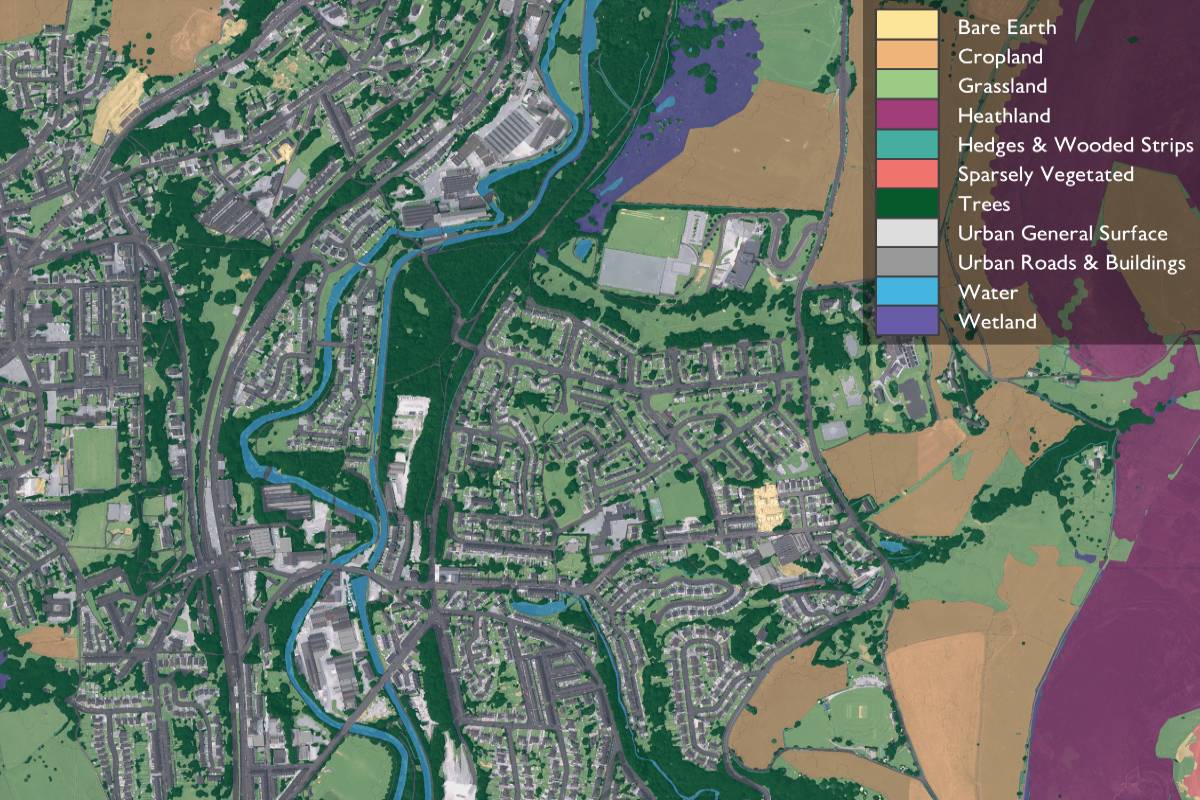
Earth observation (EO) data has the potential to eliminate 2 gigatonnes of greenhouse gas emissions every year and drive more than $3 trillion in cumulative economic benefits globally by 2030, according to a report.
This report by World Economic Forum and Deloitte highlights the exponential growth in satellite technology and its applications across various sectors, including disaster response and renewable energy.
It quantifies the economic and environmental benefits and details concrete use cases creating value for both businesses and the planet and finds that a greater global adoption of key technologies – including AI, digital models and climate technology – can unlock sustainable, innovative climate and nature solutions.
Amplifying the Global Value of Earth Observation integrates perspectives of a group of 40 industry, technology and climate leaders committed to driving sustainable value through EO applications. The report breaks down the economic potential of EO technologies across sectors and shows how increasing their adoption worldwide could propel the shift to a nature-positive and net-zero global economy.
Although the promise of these technologies is wide-ranging, increasing their adoption across sectors and geographies is not without challenges, unveils the report. Barriers include limited awareness of EO applications, a shortage of specialised talent, fragmented standards, and difficulty navigating the complex EO marketplace – all of which can result in limiting uptake of this technology globally.
“As EO data approaches mainstream accessibility, organisations across nearly all industries stand to benefit from these valuable sustainability insights”
WEF and Deloitte said informed, forward-thinking policy-making and leadership will be crucial to unlock and maximise the transformative economic and environmental opportunities EO presents. Collaborative action across the value chain – which focuses on stimulating demand, advancing the use of AI and other enabling technologies and establishing key standards needed to make Earth data ubiquitous – will be critical to drive sustainable economic growth and benefit the planet for generations to come.
“Earth observation is a vital component of the Fourth Industrial Revolution,” said Jeremy Jurgens, managing director and head of the Centre for the Fourth Industrial Revolution at the World Economic Forum. “It converges with artificial intelligence, digital twins and climate technology to offer a powerful toolset for economic prosperity and sustainable growth.”
While six sectors stand to capture 94 per cent of the projected economic value of EO – agriculture; mining, oil and gas; government; electricity; supply chain and transport; insurance and financial services – organisations across nearly all sectors and industries can benefit from them. Key to this is the dual value that EO data offers through direct environmental benefits translating to indirect economic ones.
“As EO data approaches mainstream accessibility, organisations across nearly all industries stand to benefit from these valuable sustainability insights,” said Jennifer Steinmann, Deloitte global sustainability leader. “Earth data can play an instrumental role in helping organisations understand their impacts and dependencies on nature, comply with sustainability regulations and shape strategies that contribute to a nature-positive and net-zero economy.”
According to the report, the global value of EO data could swell from $266bn today to just over $700bn in six years – which rivals the GDP of a medium-sized economy such as Belgium ($628bn) – and could add a cumulative $3.8 trillion contribution to global GDP between 2023 and 2030.
The Asia Pacific region is poised to capture the largest share of EO’s value by 2030, reaching a potential value of $315bn, while Africa and South America are positioned to realise the largest percentage growth.
The World Economic Forum’s Earth Observation community is made up of leading EO data providers, users and related experts working to improve understanding about and advance EO’s transformative potential for climate and nature solutions. Earth Observation is affiliated with the World Economic Forum’s Centre for the Fourth Industrial Revolution and the Centre for Nature and Climate.
Why not try these links to see what our SmartCitiesWorld AI can tell you.
(Please note this is an experimental service)
How can AI enhance the analysis of earth observation data for climate action?What economic benefits arise from increased adoption of satellite technology globally?How do digital twins integrate with earth observation to support sustainable growth?Which sectors gain the most from earth observation in reducing greenhouse emissions?What policy measures can accelerate the mainstream use of earth observation data?