










 22-26 June 2026: Find out more


BUILD YOUR OWN
RESOURCE LIBRARY



Podcasts
Cities Thriving on Lighting, Episode 2 – Simplicity by design in smart lightingSponsored by Paradox Engineering
Cities Thriving on Lighting, Episode 1 – Lighting as the backbone of the smart citySponsored by Paradox Engineering
Opinions
Transforming indoor public safety with smart sensor networksSponsored by Motorola Solutions
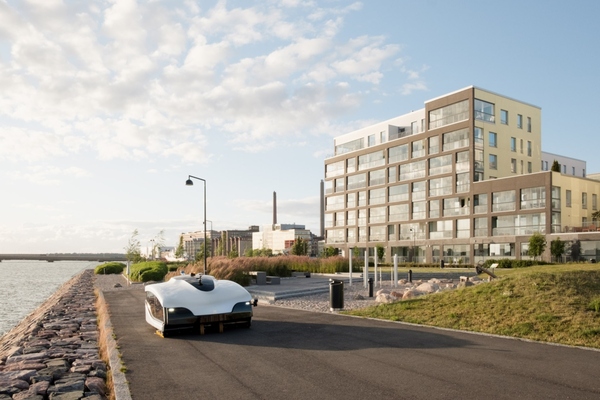
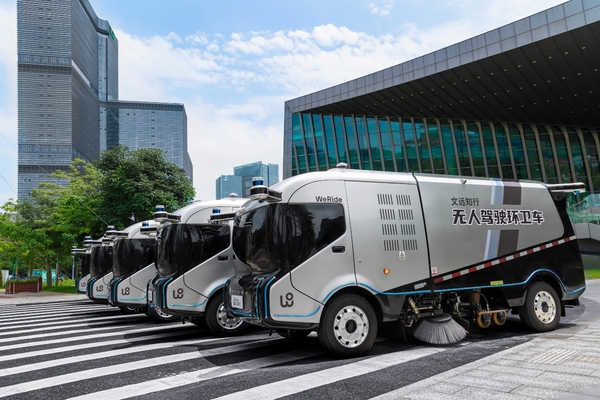
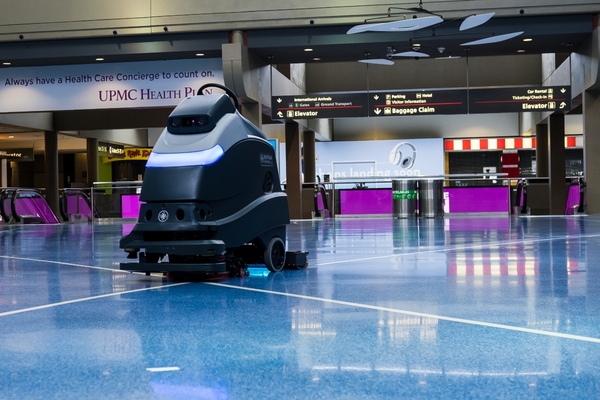
Autonomous street sweeper pilot moves to Helsinki Airport
The trial is exploring how the sweepers can support facilities maintenance work in busy closed areas such as parking lots with parked and moving cars, as well as pedestrians and building pillars.


Finnish street maintenance technology developer Trombia Technologies is continuing its commercial pilot programme with the autonomous and electric Trombia Free street sweeper in Helsinki Airport.
It is running the trial with facility services company ISS Finland and is exploring how the robot street sweepers can support facilities maintenance work in busy closed areas such parking lots and industrial areas.
Waterless cleaning
Parking lots require special expertise from maintenance, as there are both parked and moving cars, pedestrians, building pillars and narrow parking spaces. As Trombia Free operates without using any water, the pilot will also focus on finding out how well it removes dust from the parking lots waterless.
“Airports are open basically 24/7 and to fill the needs of the global traveller, all areas from the parking lot to the terminal and to the gate need to fill high service levels safely and this can be a true sweet spot for autonomous maintenance. During the pilot we will work in continuous mode, meaning the robot will work in the areas also during the night,” said Antti Nikkanen, CEO of Trombia Technologies.
Trombia Free has already begun operating in the areas around Terminal 1 and the parking lot three.
“Airports are open basically 24/7 and to fill the needs of the global traveller, all areas from the parking lot to the terminal and to the gate need to fill high service levels safely”
“At ISS our purpose is to connect people and places to make the world work better. In a better working world innovations and technology help people to work, live and travel in a safe and comfortable way,” added Jukka Backlund, head of facility management product, ISS Finland.
Read More
“That is why ISS Finland is proudly participating in this project with Trombia Technologies. We are constantly looking for new innovations and finding solutions that make life easier, more productive, and meaningful for our customers and for our employees.”
During the 10 day-long pilot, companies claim the estimated carbon emissions saved will be around 26kg/h CO2.
“As we know we need to cut our carbon emissions heavily during the following years. Electric sweepers and other service robots can play a big role in revolutionising the environmental impact of maintenance,” said Nikkanen.
The pilot is part of “Multi-purpose Service Robotics as Operator Business” (Muro) project, run by European research institution, VTT and funded by Business Finland.
Why not try these links to see what our SmartCitiesWorld AI can tell you.
(Please note this is an experimental service)
How does Trombia Free operate effectively without using water for cleaning?What safety measures enable autonomous sweepers to work near pedestrians and vehicles?How does the pilot estimate carbon emissions savings of 26kg/h CO2?In what ways can autonomous sweepers improve maintenance in busy airport areas?How does continuous operation during night enhance service levels at Helsinki Airport?AirportCAVsCommercialCommercial buildingselectric vehiclesEnergy & EnvironmentFeaturedFinlandHelsinkiHelsinki AirportmobilityMunicipal buildingsurban spacewater

Latest City Profile
Latest Urban Exchange Podcast
Latest Special Report
SmartCitiesWorld Newsletters (Daily/Weekly)
You may also like these related articles...
BECOME A MEMBER
© 2026 SmartCitiesWorld
Smart Cities World Ltd, 37 Lombard Street, London, EC3V 9BQ