

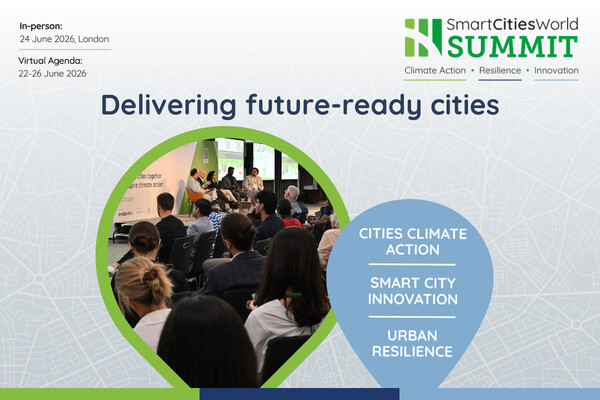



The SmartCitiesWorld Summit, which takes place 26-27 June, will act as a call to action for cities to make the transformation of the built environment a central part of their climate action strategies.
Ahead of COP26, SmartCitiesWorld has written an open letter to international political leaders consisting of 10 major guiding principles that we believe should be reflected in any final agreement at the conference in Glasgow in November. Here, we break down those principles, addressing the challenges within each and the importance of cities receiving full backing from central governments as they look to a greener future.
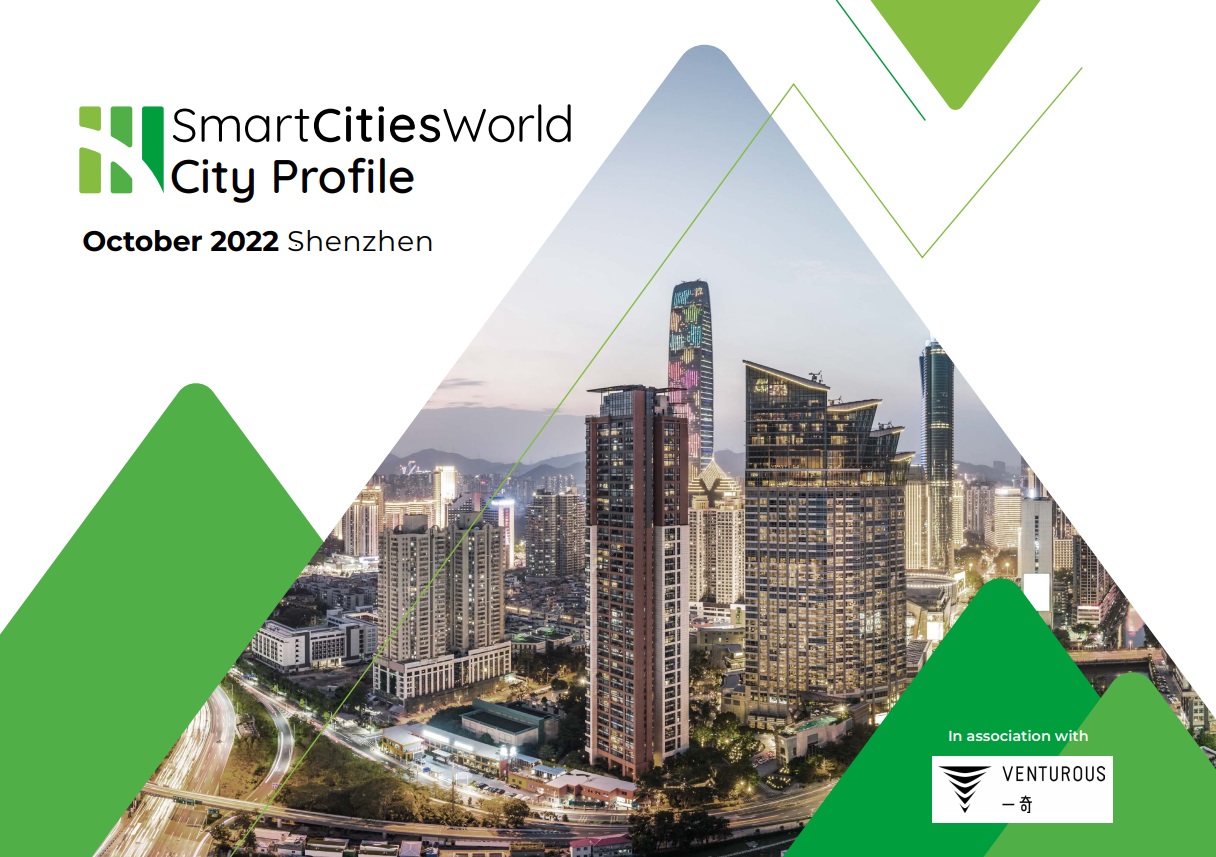
SmartCitiesWorld City Profiles explore the city of Shenzhen, designated as China’s first special economic zone and a role model of urban modernisation. Find out more about Shenzhen’s smart city strategy in this 16-page report.
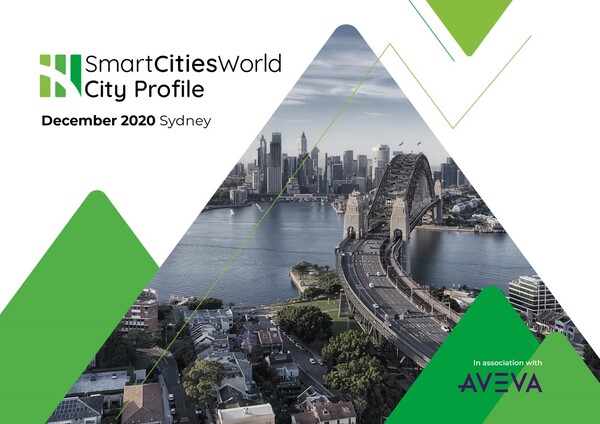
In 2020, the City of Sydney released a Smart City Strategic Framework to harness the opportunities brought about by digital disruption, to plan for uncertainty and to sustain a global reputation as a leading place to live, work, learn and visit.
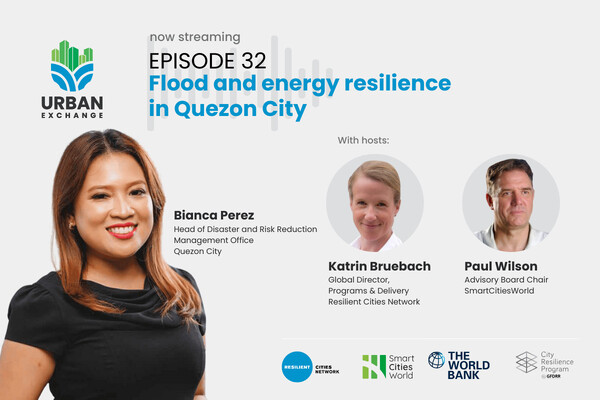
Tune in for the latest Urban Exchange where we get a first-hand account of city resilience measures from Quezon City following unexpected extreme rainfall.
SmartCitiesWorld speaks with Bentley Systems leaders about unleashing AI and digital twins to drive innovation, resilience, and people-first progress in the world’s cities.
ST Engineering’s Richard Ng explains how integrated smart city platforms can support cities in becoming more sustainable and efficient at the scale that is right for them.
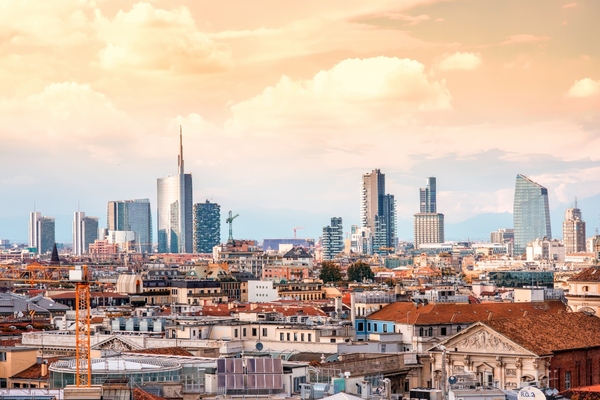
Digital Leaders CEO Giuliano Liguori highlights Italy as an example and warning that pushing ahead with smart city plans should ensure access for the worst off, on an individual and municipal level, as top priority.
Our editor, gives his take on how smart cities are evolving. If you would like to receive these direct to your inbox as part of our weekly newsletter, make sure you sign up as a member (free!).

Find out how Dublin is innovating to improve experiences and services for its communities in the latest SmartCitiesWorld City Profile, including digital twin projects, traffic reduction, and economic growth.
Download our latest report to uncover how artificial intelligence is being used to support cities in how they plan and operate city services to ensure they are vibrant, sustainable and economically thriving modern spaces.
Discover how Sunderland is turning a strong, city‑wide data foundation into real‑world impact by using secure, scalable AI to transform planning, services, and community outcomes.
Tune into the SmartCitiesWorld podcast to understand the world of sovereign AI for cities, featuring PNY Technologies’ Youssef Nadiri as our expert guest.
Tune in for the latest Urban Exchange where we get a first-hand account of city resilience measures from Quezon City following unexpected extreme rainfall.
Our editorial newsletter pulls together our latest news items into one email, direct to your inbox. We also feature our latest city interviews, Special Reports and Guest Opinions.
When I think of cities, I think of my first time in Manhattan; getting out of the 8th Ave Port Authority bus terminal and just being swept away by the noise, the volume of people and the buildings towering above me. And then there was the pizza. It was pure awe.
The tragedy of the Covid-19 pandemic has forced us to think differently. This has led to some stunning technological breakthroughs - you only have to think of the lightning quick development of vaccines for one - and innovative new uses of existing technology.
Can you measure liveability? What do you deem important? The economy, healthcare, job prospects? Quality of bookshops and gyms, access to playgrounds (in my own case)?
The Covid-19 pandemic has underlined the centrality of technology to our lives - "you’re on mute" has become a catchphrase of frequent (too frequent?) Zoom meetings and videocalling has been an essential means for catching up with family or friends.
What’s important to you where you live? Waste is one area that is overlooked all too often, perhaps understandable given what it literally is, but you quickly realise when your city isn’t getting things right
First off, I would like to apologise to you for being unable to find a smart cities angle on the hapless ship stuck in the Suez Canal. I am sure you all have been as horribly fascinated with the story as I have and I regret being unable to write about it.
Net-zero climate targets are ambitious and essential. But they can be onerous to some. How best to manage reducing emissions alongside fiscal challenges, generating employment, managing traffic networks and the myriad of daily challenges you face with the uncertainty of Covid-19 thrown into the mix?
Happy new year. I hope the Christmas period gave you the opportunity to relax, help turn your attentions away from the challenges we all face and return to work this year refreshed. The start of 2021 has been bleak, especially for us in the western world.
Big topics, big challenges and big questions around the future of cities dominated the discussion at SmartCitiesWorld’s inaugural advisory board meeting – and we look forward to addressing them.
There is a theory that if you design a street for kids, you will have designed a street that works well for everyone so is this the key to smarter and safer cities?
Societies must be rebuilt in a way that safeguards our health and our economy and networks and knowledge sharing will be essential in building in robust structures to defend against future shocks.
Recent research on technology and smart cities has highlighted a number of divides – such as a potential gap in how the tech industry and consumers view smart cities, and a disconnect between how citizens think about technology for individual use versus its impact for society as a whole.
Despite the huge amount of hype surrounding blockchain, new research from Gartner bursts the bubble somewhat and finds that very, very few organisations are actually implementing the technology yet.
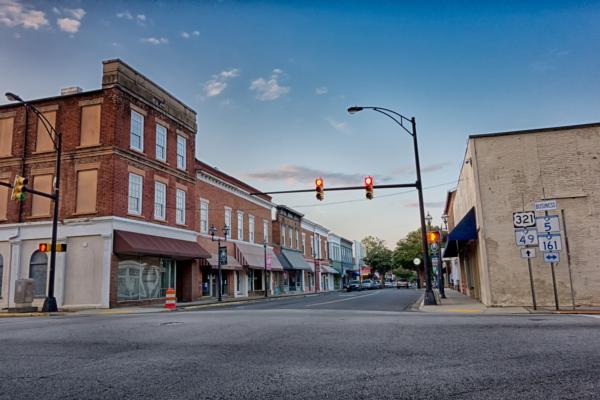
Many towns and smaller cities are down on their luck. Will technology help them get back up or see them falling further behind? Sarah Wray takes a look
Cities have been at something of an impasse with their ability to innovate with data. Sarah Wray looks at how those taking action with bold new initiatives are paving the way for everyone to move ahead.