














 22 - 26 June 2026: Find out more





BUILD YOUR OWN
RESOURCE LIBRARY



Podcasts

Cities Thriving on Lighting, Episode 2 – Simplicity by design in smart lightingSponsored by Paradox Engineering

Cities Thriving on Lighting, Episode 1 – Lighting as the backbone of the smart citySponsored by Paradox Engineering
Opinions

Transforming indoor public safety with smart sensor networksSponsored by Motorola Solutions
Annapolis and Anne Arundel advance fleet electrification
Resilience Authority of Annapolis and Anne Arundel County are working with Ameresco to deploy EV charging infrastructure across 10 County-owned facilities.


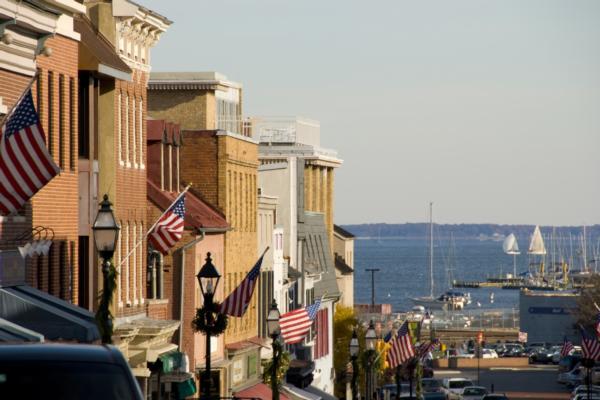
The Resilience Authority of Annapolis and Anne Arundel County, Maryland, have entered a design-build contract with Ameresco to deploy electric-vehicle (EV) charging infrastructure across 10 county-owned facilities.
Selected through a competitive bid process, Ameresco conducted a comprehensive strategic analysis of the County’s existing fleet, fuelling data, and electric vehicle procurement plans, including charging simulations to determine optimal right-sized solutions.
Operational efficiency
This collaboration supports the County’s transition to an electrified fleet and reflects a shared commitment to sustainability, operational efficiency, and innovation in public sector fleet management.
The recommended managed charging approach is projected to deliver approximately $350,000 in annual utility savings once the fleet is electrified. The study also identified opportunities to reduce the electrical capacity required to maintain fleet operations by approximately 2.5 megawatts across the 10 facilities, resulting in capital savings and greater flexibility for future growth.
“Our progress is a direct reflection of the county’s leadership and the dedication of its staff – from advancing natural infrastructure and addressing coastal flooding to expanding EV charging”
“Our goal from the start was to identify a smart, scalable path to fleet electrification that balances cost, reliability, and long-term flexibility,” said Susan Herrold, central services officer, Anne Arundel County.
“By partnering with the Resilience Authority and Ameresco, we’ve been able to turn thoughtful planning into measurable action. Together, we’re reducing emissions, improving operational efficiency, and investing in modern infrastructure that can evolve as the county’s needs grow.”
According to the partners, a phased deployment plan will help ensure scalable and flexible infrastructure, with initial installations sized for planned vehicle procurement through 2026. This approach also helps ensure each site installs the optimal number of chargers for near-term needs while future-proofing additional spaces and capacity to support seamless fleet expansion.
Read More
“I continue to be humbled by the expertise and partnership we’ve experienced across Anne Arundel County,” said Matthew Fleming, executive director of the Resilience Authority of Annapolis and Anne Arundel County.
“Our progress is a direct reflection of the county’s leadership and the dedication of its staff – from advancing natural infrastructure and addressing coastal flooding to expanding EV charging. Their professionalism and collaboration continue to inspire me.”
“Our goal from the start was to identify a smart, scalable path to fleet electrification that balances cost, reliability, and long-term flexibility”
Ameresco is working with local partners to complete analysis, engineering, and deployment activities, aligning charging infrastructure with site-specific operations to support efficient, reliable fleet performance.
“We’re proud to partner with the Resilience Authority and Anne Arundel County to turn thoughtful analysis into practical, scalable infrastructure,” said Peter Christakis, president of East USA & Greece; project risk at Ameresco. “By right-sizing charger counts, optimising electrical capacity, and sequencing deployment, we’re helping the county accelerate fleet electrification while controlling costs and strengthening day-to-day operations.”
The Resilience Authority of Annapolis and Anne Arundel County is the first multi-jurisdictional resiliency authority in the US. Its mission is to provide an efficient and effective mechanism for planning, funding, and completing critical infrastructure projects that mitigate current and anticipated effects of a changing environment.
Why not try these links to see what our SmartCitiesWorld AI can tell you.
(Please note this is an experimental service)
How does managed charging reduce utility costs in fleet electrification?What strategies optimize electrical capacity for EV charging infrastructure?How can phased deployment support scalable fleet electrification?What role does strategic analysis play in EV fleet transition?How does fleet electrification improve operational efficiency in public sectors?AnnapolisAnne Arundel Countyclimate actionClimate change/Resilienceelectric vehiclesEnergy & Environmentmobilityresilience

Latest City Profile
Latest Urban Exchange Podcast
Latest Special Report
SmartCitiesWorld Newsletters (Daily/Weekly)
You may also like these related articles...
BECOME A MEMBER
© 2026 SmartCitiesWorld
Smart Cities World Ltd, 37 Lombard Street, London, EC3V 9BQ